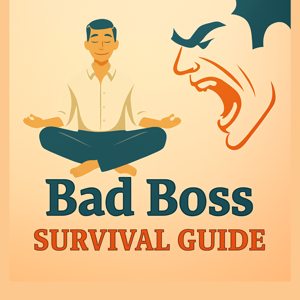
Feeling rage at work? You're not crazy - you're being mistreated. Learn healthy ways to process workplace anger so you don't explode or carry it home every night.
😤 Why Toxic Workplaces Make You Angry
Anger is a natural response to mistreatment. If you're furious at your boss, it's probably because they're violating basic standards of decent treatment. Your anger is valid - but how you handle it determines your future.
Common Anger Triggers
Being publicly humiliated or criticized
Watching your boss take credit for your work
Constant gaslighting
Unfair treatment or favoritism
Disrespected time and boundaries
Being micromanaged and not trusted
Impossible demands and blame
Watching others get mistreated
What You'll Learn
✅ Why anger at toxic bosses is healthy
✅ Healthy vs. destructive anger
✅ Immediate techniques to cool down at work
✅ How to process anger without getting fired
✅ The "rage journal" method that works
✅ Physical strategies to release angry energy
✅ When to express anger vs. contain it
✅ Preventing anger from turning into burnout
✅ Using anger as fuel for positive change
✅ How to stop taking work anger home
Healthy Ways to Deal With It
Take a strategic bathroom break to breathe
Document what happened (turns rage into action)
Move during lunch or breaks
Vent to trusted friends OUTSIDE work
Channel anger into job search motivation
Practice the "90-second rule" for emotions
Use anger to clarify your boundaries
Treat anger as information about your values
Responses to Avoid
Confronting your boss while emotional
Venting to coworkers (can be used against you)
Passive-aggressive retaliation
Sabotaging your own work out of spite
Exploding in meetings or emails
Turning anger inward into depression
Numbing with substances
Quitting without a plan
The Anger Processing Framework
Acknowledge: "I have a right to be angry"
Separate: "This belongs at work, not at home"
Channel: "How can I use this energy?"
Release: "What do I let go of today?"
Act: "What's one step toward change?"
Emergency Cool-Down Techniques
Count backward from 100 by 7s
Clench and release fists under your desk
Walk around the building
Cold water on wrists and face
When Anger Becomes a Warning Sign
Rage that doesn't fade after work hours
Physical symptoms (headaches, stomach issues, insomnia)
Fantasizing about confrontations or revenge
Feeling angry more days than not
Anger hurting your relationships outside work
Your Anger Is Telling You Something
Chronic workplace anger is your body saying "this environment is harming you." Don't ignore it. Use it as data that change is needed - boundaries, coping strategies, or an exit.
👉 SUBSCRIBE for more strategies for toxic workplace survivors!
Pair This With
Energy management techniques
Grey Rock Method for reducing triggers
Documentation practices
Exit strategy planning
Remember: You're not weak for feeling angry. You're human. The goal isn't to never feel anger - it's to handle it in ways that protect your career, health, and future while you find your way to something better.
💬 What's your healthiest anger outlet? Share below - your tip might save someone else.
#WorkplaceAnger #ToxicBoss #AngerManagement #MentalHealthAtWork #ToxicWorkplace #EmotionalWellness #WorkplaceStress #CareerAdvice #BurnoutPrevention #WorkplaceSurvival #ToxicManager #AngerManagementTips #MentalHealth #stressmanagement