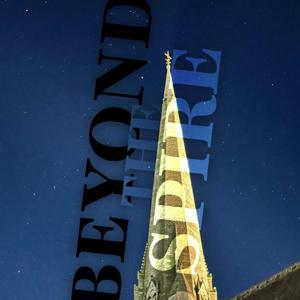
Gregorian chant is the Church’s natural 'musical breath'. Through the sung Ordinary and Proper parts of the Holy Mass, it unites our emotions to Christ and guides them towards the Father. Each part, from the Kyrie and Gloria to the Introit, Gradual, Offertory and Communion, carries a particular moment or aspect of the sacrifice.
Content
- The Holy Mass is described as the renewal of Christ’s sacrifice on Calvary and the ‘source and summit’ of all Christian life.
- Gregorian chant is the Church’s natural ‘musical breath’, a way of praying aloud that follows the heart rather than display performance. However, it requires voice technique that improves with years of practice and tradition.
- Chant cannot make the Mass itself more perfect, but it helps us to unite our minds and affections more closely with Christ’s perfect prayer, renewed on the altar.
- The sung ordinary (Kyrie, Gloria, Credo, Sanctus, Agnus Dei, Ite missa est) expresses stable elements of the Mass that are repeated at each celebration. Thus, the variety of melodies ensures they are appropriate for the solemnity of the day.
- The proper chants (Introit, Gradual, Alleluia or Tract, Offertory, Communion) change with the feast and season, so that each Mass is clothed with texts and melodies that are specific to that particular mystery.
Guests
Sisters Aline-Marie & Inmaculada
Sponsors
- National Lottery Heritage Fund:
- Global Sound Movement
- University of Lancashire
- Institute of Christ the King Sovereign Priest
External Links
Available on all podcasts platforms
Watch on YouTube @Beyond_the_Spire
—
More about St Walburge’s Shrine
Website: icksp.org.uk/preston
YouTube: @ICKSPPrestonSt.Walburge
Instagram: st_walburge_s_preston
Facebook: icksp.preston
TikTok: stwalburge.icksp