
Sign up to save your podcasts
Or

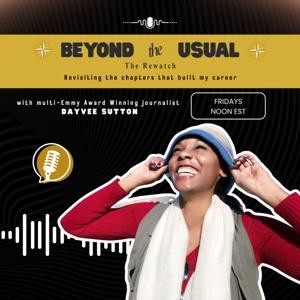


I made a travel show in 2015. I've been making money off it for a decade. This episode is about how — the single business decision that made syndication possible, what residual royalty checks actually look like, and why I'd warn most creators against launching their own streaming channel.
Netflix has the data: viewers spend about 1.8 seconds looking at a poster before deciding to click or scroll past. This episode breaks down why a show poster is a system of 10 to 15 platform-specific variations, not a single image, and walks through the actual Beyond the Usual brand kit and posters — including the one I wasn't in love with and the one that replaced it.
Producing the show was half the job. This episode is about the other half — trailers, sizzle reels, and the marketing materials nobody warns you you'll need. I break down what a sizzle reel actually is, how it differs from a trailer, the industry-standard length, and why I ended up editing my own even after I dreamed of hiring someone else to do it.
Indonesia should have been the dream trip of the season — Bali, Komodo Island, Flores. Instead, the tourism board had just parted ways with their PR agency and was running the trip themselves, and it showed. I break down what actually goes wrong on a poorly organized press trip, and the framework I now use to tell whether a cultural experience is authentic or built for the camera.
This was the best-organized press trip of my career. A local chef as our guide through St. Croix, dinner cooked in a stranger's actual kitchen, a kayak crossing to a private beach, and a Caribbean carnival timed exactly to when we'd arrive. Five episodes came out of one trip. But the real lesson is bigger than the destination — it's about the other journalists in the van, and why the relationships from a press trip often outlast the destination itself.
Every other journalist on this trip had a notebook. I had a camera, and nobody had planned the itinerary around that. This episode breaks down what it's actually like to run-and-gun video content on a press trip built for print writers — plus a seaplane trip to Dry Tortugas, the most remote national park in the country, and the history of the doctor imprisoned there for treating John Wilkes Booth.
In 2015, almost nobody was talking about Morganton, North Carolina, or the Linville Gorge — the "Grand Canyon of the East." A decade later, the county's tourism revenue has grown faster than almost anywhere else in the state, and the gorge now requires weekend permits because of overcrowding. This is what happens when a hidden gem gets found, told from footage of the place before it was.
Visit California invited me on a five-day water adventure through my own home state. The real reason: damage control. Weeks earlier, an oil spill had devastated the Santa Barbara coastline, and the destination needed proof the wildlife had come back. Jet skis, a super pod of dolphins, and a Guinness World Record surf event later, I understood I wasn't just making a fun water-sports episode — I was part of a crisis communications campaign.
Nobody invited me to Lexington to make a travel show — I was there to speak at a conference. But I had a camera and a show to feed. Four episodes came out of one offered day: America's first commercial winery, a thoroughbred horse farm where a single horse can sell for half a million dollars, a VIP tour of the University of Kentucky basketball facilities, and the Distillery District revival. This is the episode where I learned you don't need a press trip to make content — you need the instinct.
I couldn't have afforded this trip on my own. Austin Adventures and The Broadmoor hosted a six-day luxury press trip — Cloud Camp glamping at $1,300 a night, a ridge hike at 9,200 feet, Cave of the Winds, Garden of the Gods. I break down exactly what this trip cost, what I gave in return, and what luxury access actually looks like for a working creator.
From the publisher's feed