
Sign up to save your podcasts
Or

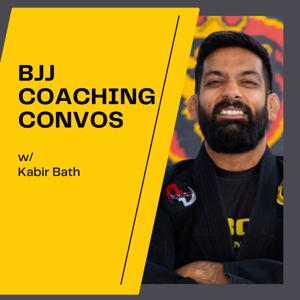


Welcome to this special episode of "BJJ Coaching Convos," where the mats meet the mic. I'm your host, Kabir Bath, and today, we're delving deep with Priit Mihkelson into the ecological approach to Brazilian Jiu-Jitsu coaching. This conversation is a masterclass in blending theory with practice, refining communication for clarity, and designing learning experiences that resonate with every level of practitioner. For coaches, athletes, and BJJ aficionados, this episode is your guide to the forefront of coaching wisdom.
Show Overview:
In a riveting exchange, Kabir and Priit explore the nuances of teaching Brazilian Jiu-Jitsu, emphasizing the importance of an ecological approach that marries direct instruction with experiential learning. They discuss how clear communication and specific terminology can dramatically enhance the teaching process, making a strong case for the use of beginner templates to ease new learners into complex concepts.
A significant portion of our conversation navigates the diverse and often divided opinions within the online BJJ community, highlighting the challenge of sifting through varied perspectives to find effective teaching methodologies. Priit shares his strategic insights on teaching from the end goal to allow students to develop a comprehensive skill set, emphasizing the importance of effective connections and the interplay between broad strategy and specific technique mastery.
The dialogue also covers the critical transition from traditional instructional roles to a more dynamic coaching perspective, focusing on the transformative power of feedback and guidance. Kabir and Priit delve into the role of partner feedback in enhancing learning outcomes, the art of designing practice activities to achieve specific effects, and the potential of function-based coaching to deepen students' understanding of BJJ.
As the conversation unfolds, the theme of adaptation and experimentation takes center stage, pointing to a future of BJJ coaching that values innovation and a balanced approach to instruction. This exploration not only sheds light on the evolving nature of BJJ instruction but also champions a nuanced balance between structured guidance and the freedom for personal exploration.
Closing Thoughts:
Thank you for tuning into "BJJ Coaching Convos." This episode with Priit Mihkelson has journeyed through the essence of innovative BJJ coaching, uncovering strategies and philosophies that are shaping the future of the sport. If today's conversation sparked new ideas or offered fresh perspectives on your coaching and practice, please share your thoughts with us. Your engagement is crucial as we continue to bring the depth of BJJ coaching wisdom to the forefront. Until next time, keep exploring, stay inspired, and transform your coaching and BJJ journey with the insights gained today.
Join us on "BJJ Coaching Convos" as your host, Kabir Bath, welcomes Scott Sievewright for an enlightening journey through the intersection of research, practice, and the ecological approach in Brazilian Jiu-Jitsu coaching. Together, they unpack the essence of creating a culture of playfulness, the strategic mixing of experience levels, and the art of designing practices that break down traditional silos. This episode is a deep dive into the core principles of fostering autonomy, embracing failure, and acknowledging the unique nature of every athlete. For anyone committed to the long-term growth and development of their athletes, this conversation offers a treasure trove of insights, strategies, and reflections on the evolving landscape of BJJ coaching.
Show Overview:
In this compelling conversation, Kabir and Scott delve into the importance of grounding coaching practices in research while also highlighting the value of an intuitive, ecological approach that adapts to the unique dynamics of grappling. They discuss the transformative effects of blending various experience levels within training sessions, challenging conventional structures to create a more inclusive and dynamic learning environment.
A significant part of the discussion is dedicated to the challenges of practice design, emphasizing the need for a balanced curriculum that accommodates the complexities of individual learner needs. Scott shares his perspective on the self-correcting nature of practice, advocating for a culture that not only tolerates but celebrates the learning opportunities inherent in failure.
The dialogue explores the intricacies of fostering athlete autonomy, from recognizing individual differences in movement proficiency to designing activities that promote skill development without over-constraining creativity. Scott introduces a four-step process for game design that ensures appropriate challenge levels, encouraging coaches to embrace the unpredictability and 'ugliness' of genuine learning moments in training.
Kabir and Scott also touch upon the critical balance between offense and defense, the nuanced art of providing feedback during live rolls, and the integration of different coaching theories to enrich practice environments. The importance of scrambling, a skill often overlooked, is examined in depth, highlighting its role in developing adaptability and resilience in athletes.
The conversation concludes with a call to action for coaches to embrace continuous learning and growth, stressing the importance of creating a fun and engaging environment that prioritizes the progress of the majority over the success of a few outliers. This episode challenges traditional coaching paradigms, urging coaches to adopt a long-term perspective focused on the holistic development of their athletes.
Closing Thoughts:
Thank you for tuning into "BJJ Coaching Convos." Today's conversation with Scott Sievewright has ventured beyond the mats, exploring the depths of coaching philosophy and the impact of thoughtful, research-informed practice design. If this discussion has inspired you, sparked curiosity, or provided new tools for your coaching toolkit, we invite you to share your thoughts and continue the conversation. Your engagement helps us bring the most innovative and impactful coaching conversations to light. Until next time, keep exploring the art and science of coaching, and remember, the journey of learning and growth never ends.
Tune into "BJJ Coaching Convos" as host Kabir Bath sits down with Rob Cole to dissect the evolving landscape of grappling training. This episode shines a light on innovative training methodologies, from the value of explicit strategy sharing and the dynamic nature of high-touch games to the critical role of setups, timing, and balance. Dive into a discussion that celebrates the shift towards a more inclusive and engaging training culture, the power of minimal language in teaching, and the strategic balance between generalist and specialized training approaches. Rob and Kabir delve into the redefinition of belt progression, emphasizing skill over technique and the importance of building a solid grappling foundation focused on control. Whether you're a coach, athlete, or enthusiast, this conversation offers fresh insights into the essence of effective grappling training and the future of coaching in the sport.
Show Overview:
In this thought-provoking episode, Kabir and Rob tackle a wide array of topics, starting with the importance of sharing strategic ideas openly in training to foster a deeper understanding and quicker skill acquisition among athletes. They explore the benefits of high-touch games, which not only increase engagement but also significantly enhance action-oriented learning and grappling proficiency.
The conversation takes a deep dive into the nuances of training, such as the significance of setups, timing, and creating a playful training environment that encourages a positive shift in attitude towards learning. Rob highlights the effectiveness of using minimal language and visual cues in technique instruction, advocating for a training approach that emphasizes the athlete's ability to adapt and react over rote memorization of techniques.
Kabir and Rob discuss the need for a balanced approach to grappling training, blending generalist perspectives with focused, specialized sessions to develop well-rounded athletes. They touch on the concept of rotating games and session planning as tools for keeping training fresh and engaging, while also adapting training blocks based on athlete feedback and progress.
A significant portion of the dialogue is dedicated to rethinking belt levels and progression within the grappling arts, questioning traditional benchmarks in light of a more skill-based, understanding-oriented training paradigm. The eco-style framework is presented as a revolutionary approach that broadens the scope of grappling training, emphasizing skill development and a comprehensive understanding of grappling over traditional technique-based metrics.
The benefits of all-levels classes and the importance of a supportive training environment are underscored, highlighting how such settings contribute to the growth of both novice and advanced practitioners by providing diverse challenge points and learning opportunities.
In conclusion, Kabir and Rob reflect on the critical role of coaching and practice design in grappling, emphasizing the need for coaches to embrace continual learning and evolution in their coaching philosophies to keep pace with the sport's development.
Closing Thoughts:
Thank you for joining us on "BJJ Coaching Convos" for this enlightening discussion with Rob Cole. This episode has ventured into the heart of grappling training's future, challenging traditional norms and offering a vision for a more skill-focused, engaging, and adaptive approach to coaching. If today's conversation has inspired you or provided new perspectives on your training and coaching practices, we encourage you to share your thoughts and join the ongoing conversation about the evolution of grappling coaching. Your engagement is vital as we continue to explore and share the most innovative ideas in the world of Brazilian Jiu-Jitsu. Stay curious, keep experimenting, and let's shape the future of grappling training together.
Dive into a transformative conversation on "BJJ Coaching Convos" with host Kabir Bath and guest Greg Souders, as they tackle the challenges and innovations reshaping Brazilian Jiu-Jitsu training today. From the monotony of traditional teaching methods to the pioneering use of conditionality and playable conditions, this episode is a journey into the heart of jiu-jitsu's evolution. Greg shares his insights on emphasizing the inside position, leveraging the opponent's body as the main control parameter, and the significance of individualized attention in fostering self-learning. The discussion also ventures into the realms of game design, the pivotal role of clear communication, and the integration of standing engagement to enrich training practices. Whether you're a coach seeking fresh perspectives or an athlete aiming for growth, this episode promises a wealth of knowledge and a fresh look at the essence of effective coaching in jiu-jitsu.
Show Overview:
Kabir and Greg open the conversation by addressing the common frustration with repetitive teaching methods in jiu-jitsu, advocating for a shift towards exploring new concepts and ideas to enrich training experiences. They delve into the strategic use of conditionality and playable conditions as tools to enhance learning, highlighting the importance of securing the inside position and effectively occupying space during engagement.
The dialogue emphasizes the need for individualized attention in training, encouraging coaches to promote self-learning and engaged learning among their athletes. Greg criticizes the trend of incorporating unnecessary objects into practice, arguing for a more focused approach that utilizes the opponent's body as the primary control parameter.
As the conversation progresses, Kabir and Greg explore deeper into the philosophical and practical aspects of coaching, from understanding concepts at a profound level to the nuances of creating and marketing honest products within the jiu-jitsu industry. They discuss the critical role of clear language and demonstrations in effective coaching, the advantages of incorporating standing engagements, and the use of constraints to ensure safe and productive practice.
Reflecting on their discussion, Kabir and Greg contemplate the future of jiu-jitsu training, considering the evolving role of warm-ups, the reevaluation of breakfalls, and the ongoing quest to adapt and refine training methods to meet the needs of modern practitioners. The episode closes with plans for future conversations, leaving listeners with a sense of anticipation for what's next in the evolution of coaching conversations in grappling.
Closing Thoughts:
Thank you for tuning into "BJJ Coaching Convos" for this enlightening episode with Greg Souders. Today's dialogue has not only challenged traditional training paradigms but also offered a vision for a more dynamic, engaged, and innovative approach to Brazilian Jiu-Jitsu coaching. If this conversation has sparked new ideas, inspired a reevaluation of your training methods, or simply fueled your passion for the art, we'd love to hear your thoughts. Your engagement and feedback drive us to continue exploring the cutting edge of coaching wisdom. Until next time, keep pushing the boundaries of your practice, stay curious, and embrace the endless journey of learning and growth in jiu-jitsu.
From the publisher's feed