
Sign up to save your podcasts
Or

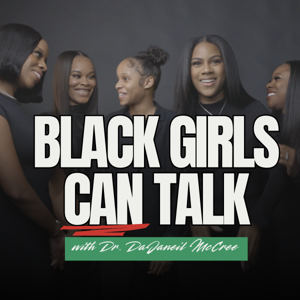


Why are Black women still facing disproportionately higher rates of maternal mortality, pregnancy complications, and preventable health outcomes in the United States? In this powerful episode of Black Girls Can Talk, Dr. DaJaneil McCree sits down with board-certified OB-GYN, maternal health advocate, author, and wellness expert Dr. Eboni January for an honest conversation about the realities of Black maternal health and what every woman needs to know to protect herself and her family.
Together, they unpack the systemic barriers affecting Black women before, during, and after pregnancy, including healthcare disparities, delayed care, implicit bias in medicine, maternal mortality, health literacy, advocacy in clinical settings, and the importance of culturally competent healthcare. Dr. January also shares practical strategies for self-advocacy, improving wellness before pregnancy, understanding risk factors, building a support system, and taking ownership of your health journey. Whether you're planning a pregnancy, currently expecting, supporting a loved one, or simply passionate about women's health, this episode delivers life-saving information every Black woman deserves to hear.
🎙️ In this episode, you'll learn:
(1:07) - Why Maternal Health Matters (2:25) - Dr. January Background (11:00) - From Textbook to Human (13:06) - Biggest Maternal Health Concerns (17:12) - Self Advocacy in Healthcare (24:30) - Holistic Wellness Foundations (27:12) - Healthy Habits Before Baby (29:25) - Pregnancy Myths To Unlearn (32:40) - Build Your Support Village (33:52) - Boundaries For High Achievers (38:07) - The Rundown (40:35) - Allies (43:27) - Where To Find Dr. January (44:38) - Final Thanks And Wrap Up
🔗 CONNECT WITH OUR GUESTFollow Dr. Eboni January for maternal health resources:
Instagram: @DoctorEboniJanuary
TikTok: @doctorebonijanuary
Website: doctorej.com
🎙️ CONNECT WITH BLACK GIRLS CAN TALK
Website: blackgirlscantalk.com
Instagram: @BlackGirl_CanTalk
Get the Book: Black Girls Can Talk
Healing after abuse is not a linear journey, and there are truths about the recovery process that rarely get discussed. In this heavy yet deeply necessary episode of the Black Girls Can Talk Podcast, host Dr. DaJaneil McCree sits down with Shawnti Refuge, a certified mental health coach, author, and advocate.
Together, they unpack the raw realities of intimate partner violence (IPV), emotional abuse, and what true recovery looks like for Black women. Shawnti bravely shares her personal story of survival after a 17-year relationship, shedding light on the complexities of recognizing abuse, overcoming the fear of leaving, and the unexpected dynamics of same-sex relationship violence.
If you are currently on your own healing journey, trying to break free from trauma, or learning how to reparent yourself and reclaim your worth, this conversation is for you .
✨ Subscribe to the channel for more unfiltered conversations about Black womanhood, mental health, and personal growth!
🕒 TIMESTAMPS
(0:36) - Meet Shawnti Refuge (5:57) - Same Sex Same Problems (7:52) - Turning Point (11:56) - Why We Minimize Pain (13:46) - Healing Relearning Self (16:43) - Reconnecting With God (18:25) - Advocacy Through Storytelling (22:27) - First Steps Recovery Support (25:32) - Healing Needs Community (27:57) - Grieving Living People (31:21) - Be Honest With Yourself (34:16) - The Rundown Game (37:28) - Where To Find Shawnti
🔗 CONNECT WITH OUR GUESTFollow Shawnti Refuge for mental health resources, journals, and daily inspiration:
Instagram: @ShawntiRefugeJournals
TikTok: @shawntirefugejournals
YouTube: @shawntirefugejournals
🎙️ CONNECT WITH BLACK GIRLS CAN TALK
Website: blackgirlscantalk.com
Instagram: @BlackGirl_CanTalk
Get the Book: Black Girls Can Talk
In this powerful episode of Black Girls Can Talk, Dr. Deja McCree dives deep into the often-overlooked realities of subtle exclusion, microaggressions, workplace bias, social isolation, and the emotional toll they take on Black women. From navigating professional spaces and friendships to recognizing hidden discrimination and reclaiming your voice, this conversation sheds light on the experiences many Black women face but rarely discuss openly.
Through honest dialogue, personal stories, and empowering insights, this episode explores mental health, self-worth, boundaries, emotional safety, diversity and inclusion, code-switching, and the importance of being seen, heard, and valued. If you've ever felt dismissed, overlooked, underestimated, or excluded in predominantly white spaces, this episode is for you.
Black Girls Can Talk creates a safe space for authentic conversations about Black womanhood, healing, identity, culture, relationships, and empowerment. Tune in for a real, unfiltered discussion that reminds you that your experiences are valid and your voice matters.
✨ Topics Covered:
Microaggressions and subtle racism
Workplace exclusion and bias
Mental health and emotional wellness
Boundaries and self-advocacy
Black women in professional spaces
Confidence, healing, and empowerment
Navigating friendships and social spaces
Speaking up and protecting your peace
(1:07) - What Microaggressions Mean (2:47) - Hair and Respectability (6:11) - Workplace Exclusion Examples (8:51) - Appearance and Language Bias (12:07) - Healthcare Discrimination (14:12) - Mental Health Toll (17:31) - Responding and Protecting Peace (22:08) - How Allies Can Help (23:46) - Key Takeaways and Action Steps
🎙️ Subscribe to Black Girls Can Talk for more conversations centered on Black women, mental health, culture, healing, and empowerment.
#BlackGirlsCanTalk #BlackWomen #MentalHealth #Microaggressions #WorkplaceBias #BlackWomenPodcast #SelfWorth #HealingJourney #WomenEmpowerment #Boundaries #BlackGirlMagic
In this episode of Black Girls Can Talk, host Dr. DaJaneil McCree sits down with Dr. Wilma Elliott-Hannah, a psychologist and the visionary founder of The Social Well. Together, they challenge the mainstream narrative of wellness and explore why community isn't just a support system—it's medicine.
Key Highlights from the Conversation:
The Rundown:
Dr. McCree puts Dr. Wilma in the hot seat with a segment of "this or that":
This episode is a call to action for every Black woman to do the inner work and embrace the vulnerability required for true, communal healing.
(0:35) - Meet Dr. Wilma (1:26) - Redefining Wellness (3:30) - Community In Wellness (5:35) - Healing In Isolation (8:20) - Support And Therapy (10:44) - Not Seen Not Supported (14:05) - Rejection Sensitivity (16:42) - Why The Social Well (19:03) - Build Community Today (22:17) - In Person Connection (25:17) - The Rundown Game (29:06) - Key Takeaways Allies (32:10) - Where To Find Dr Wilma (33:51) - Final Wrap Up
Connect with Dr. Wilma Elliott-Hannah:
Instagram: @thesoulcialwell Web: thesoulcialwell.com
Stay Connected with BGCT: Instagram: @blackgirls_cantalk Web: blackgirlscantalk.com
Remember: Black girls can talk, and we've got a lot to say. Stay powerful.
In this episode of Black Girls Can Talk, host Dr. DaJaneil McCree welcomes Dr. Rochelle Davidson Mhonde, a scholar-activist whose work sits at the intersection of public health, social justice, and the lived experiences of Black women. Together, they dive into the complexities of navigating academia, the importance of "pivoting" in your career, and why Black women's health must be addressed through a lens of equity and authenticity.
Key Highlights from the Conversation:The "Scholar-Activist" Identity: Dr. Davidson Mhonde explains how she bridges the gap between high-level research and on-the-ground advocacy to ensure her work serves the community.
The Art of the Pivot: A transparent discussion on recognizing when a space no longer serves your purpose and having the courage to shift directions in your professional journey.
Addressing Health Inequities: Breaking down why public health strategies often fail Black women and how to move toward more inclusive, culturally responsive care.
The Reality of Academia: Dr. Davidson Mhonde shares the challenges of being a Black woman in scholarly spaces and the necessity of finding "safe harbors" for mental well-being.
Authentic Sisterhood: The episode explores the vital role of community and mentorship in sustaining Black women who are doing the heavy lifting of social change.
Dr. McCree wraps up the episode with her signature "Rundown" segment, asking Dr. Davidson Mhonde to choose between:
Data or Narrative?
Structure or Flow?
Impact or Reach?
This episode is a must-listen for anyone looking to align their passion with their profession while maintaining their peace.
(3:09) - Topic Silencing and Stats (4:47) - Why Silence Is Default (6:11) - Family Story and Openness (13:00) - Victim Blaming and Rape Myths (16:33) - Silence as Protection (24:40) - Disclosure Fallout and Support (29:20) - What Survivors Need (34:33) - Silencing And Taking Agency (38:55) - The Rundown Game (43:16) - One Key Takeaway
Connect with Dr. Rochelle Davidson Mhonde:
Web: https://hopehealthcomm.org/
Stay Connected with BGCT:
Instagram: @BlackGirlsCanTalk
Web: blackgirlscantalk.com
Remember: Black girls can talk, and we've got a lot to say. Stay powerful.
In this powerful season premiere of Black Girls Can Talk, host Dr. DaJaneil McCree sits down with the "Culture Doctor" herself, Leah Forney, for an unfiltered conversation on sexual violence, systemic bias, and the profound journey from surviving to thriving.
As we observe Sexual Assault Awareness Month, Leah shares her deeply personal story of navigating a criminal justice system that often treats Black women with coldness and "credibility bias". From the sting of being disbelieved by a judge to the transformative power of trauma-informed care, this episode pulls back the curtain on the unique challenges Black women face when seeking justice and healing.
Key Highlights from the Conversation:The "Culture Doctor" Origin: How a workshop on culturally informed care at the National Sexual Assault Conference birthed a mission to retrain organizations on serving survivors of color.
Defining the "Thriver": Why Leah rejects the label of "survivor" in favor of "thriver" and how that shift in mindset changes the healing trajectory.
Systemic Failures & Implicit Bias: A raw look at the "adultification" of Black girls and why Black women are statistically less likely to be believed by law enforcement and the courts.
The Forgiveness Factor: Leah discusses the difficult but necessary process of forgiving oneself and how spiritual grounding played a pivotal role in her recovery.
Reframing Prevention: A bold take on why the industry needs to stop teaching "prevention" to victims and start having those conversations with the people who commit harm.
Dr. McCree puts Leah in the hot seat with a rapid-fire game of "This or That," touching on:
Softness vs. Strength
Education vs. Disruption
Individual vs. Community Healing
Whether you are on your own healing journey or looking to be a better advocate for the women in your life, this episode is a masterclass in reclaiming your power.
(1:19) - Culture Doctor Origin
(4:30) - Calling to the Work
(6:47) - Survival Before Advocacy
(8:31) - System Failures After Reporting
(12:33) - Healing and Therapy Path
(17:44) - Myths About Black Women
(24:01) - Missing Awareness Conversations
(27:16) - Rethinking Prevention Talks
(30:23) - Healing Beyond Therapy
(33:35) - Somatic Release and Journaling
(37:26) - The Rundown Game
(39:54) - Message to Unnamed Survivors
(42:44) - Where to Find Leah 44:02
Connect with Leah Forney:
Website: leahmforney.com
Social Media: @LeahMForney
Stay Connected with BGCT:
Instagram: @BlackGirlsCanTalk
Web: blackgirlscantalk.com
Remember: Black girls can talk, and we've got a lot to say. Stay powerful.
In this powerful and deeply moving episode of the Black Girls Can Talk Podcast, host Dr. DaJaneil McCree sits down with LaShonda Doyle—Marriage & Family Therapist, mother of four, entrepreneur, and founder of Sister Step Out—for an honest conversation about breaking generational silence, mental health in the Black community, and the courage it takes to speak up.
Together, they unpack the unspoken realities many Black women carry, including grief, miscarriage, infant loss (SIDS), anxiety, depression, people-pleasing, and the pressure to always be "strong." LaShonda shares her personal journey through loss, healing, and faith, and how those experiences led her to create safe spaces where Black women can finally tell the truth about what they're going through.
This episode explores:
Breaking generational patterns of silence in Black families
Mental health stigma in the Black community
Grief, miscarriage, and infant loss (SIDS)
Anxiety, depression, and emotional regulation
Setting boundaries without guilt
Choosing yourself as an act of healing
Motherhood, trauma, and raising emotionally healthy Black children
Why saying "no" is necessary for Black women's wellness
Using your voice—even when it shakes
If you're a Black woman navigating healing, motherhood, grief, boundaries, faith, or mental wellness, this episode will remind you that you are not alone—and you don't have to suffer in silence.
✨ Your voice matters. Your boundaries matter. Your healing matters.
🎧 Subscribe to Black Girls Can Talk for more real, unfiltered conversations centered on Black women's empowerment, mental health, healing, and growth.
📲 Follow us on Instagram: @BlackGirlsCanTalk 🌐 Visit: BlackGirlsCanTalk.com
Share this episode with a sister who needs to hear it—and remember: Black Girls Can Talk, and we've got a lot to say.
In this powerful episode of Black Girls Can Talk, host Dr. DaJaneil McCree sits down with Viv (Faidah Lawal) — wellness practitioner, engineer, and host of Perspectives with Viv — for a raw and thought-provoking conversation on healing, identity, and what it really means to be seen as a Black woman.
Together, they explore the deep roots of why Black women feel invisible, the psychological and spiritual impact of colonialism, generational trauma, and survival mode, and how shadow work can unlock freedom, confidence, and self-expression.
Viv breaks down: • What shadow work actually is and why it matters • How trauma affects the nervous system • Why Black women are called "aggressive" when they are actually being assertive • The difference between survival and self-expression • Cultural perspectives of Black American vs African women • How "audacity" can be an act of healing • Why reclaiming your voice is revolutionary
This episode is for any Black woman who has ever felt silenced, misunderstood, or pressured to shrink herself. It's a reminder that your full expression is not only valid — it's necessary.
If you're on a journey of healing, self-discovery, empowerment, and nervous system regulation, this conversation will meet you exactly where you are.
📲 Connect with Viv
Instagram: https://www.instagram.com/perspectivewithviv/
YouTube channel: https://www.youtube.com/@perspectivewithviv
🎧 Subscribe to Black Girls Can Talk for more bold, honest, and healing conversations for Black women.
In this powerful and heartfelt episode of Black Girls Can Talk, host Dr. DaJaneil McCree sits down with Rashadah Jordan, a Physician Associate specializing in psychiatry and holistic wellness. Together, they dive deep into what it truly means to heal from the inside out—mentally, emotionally, spiritually, and physically.
From breaking generational cycles to embracing boundaries, from understanding mental health stigma to prioritizing intentional self-care, this conversation is filled with real talk, vulnerability, and actionable steps Black women can start using today.
✨ In This Episode, We Discuss:
Why Black women often experience higher rates of stress, anxiety, and burnout
The stigma surrounding mental health within Black communities
How childhood experiences and cultural dynamics shape adult mental wellness
Practical self-care strategies and the 7 types of rest
How to find culturally aligned therapists and mental health providers
Healing your inner child and listening to your body
The importance of boundaries, rest, and mental health days
Advice for allies who want to better understand and support Black women
Plus, don't miss a fun rapid-fire "This or That" segment where Rashadah shares her personal wellness preferences—from therapy to strength training to affirmations.
If you're a Black woman navigating healing, growth, burnout, or simply trying to put yourself first—this episode is for you.
💛 Connect With Rashadah Jordan: Instagram: @therezilientpa Website + Links available in her IG bio
💛 Explore More: Visit our website: BlackGirlsCanTalk.com Grab the book, expand your knowledge, and continue your healing journey.
If this conversation resonated with you, share it with another Black woman, because healing happens in community.
Are you feeling called to something greater but unsure how to take the first step? 💫 In this powerful new episode of the Black Girls Can Talk Podcast, host Dr. DaJaneil McCree speaks with Coach Fai, intuitive transitional coach and founder of Your Calling Is Calling, to explore what it truly means to answer the calling on your life.
From leaving toxic environments to walking boldly in purpose, Coach Fai shares her personal journey of faith, transformation, and empowerment. Together, Dr. McCree and Coach Fai unpack what it means to embrace your authentic self, overcome fear, and trust divine timing — especially as Black women navigating purpose, motherhood, and entrepreneurship.
✨ Topics covered include:
If you've ever felt stuck, uncertain, or ready for change, this episode will remind you that your purpose is waiting — and your calling is calling.
🎧 Tune in, share your story, and join the conversation. Because here at Black Girls Can Talk, we believe every voice matters and every story can heal.
📌 Connect with Coach Fai:
Instagram: @_yourcallingiscalling
Your Calling Is Calling: https://beacons.ai/yourcallingiscalling
Podcast: Progressing on Purpose - https://beacons.ai/progressingonpurpose
📌 Connect with Dr. DaJaneil McCree & Black Girls Can Talk:
Instagram: @blackgirlscantalk
Website: blackgirlscantalk.com
#BlackGirlsCanTalk #CoachFai #PurposeDrivenLife #FaithJourney #BlackWomenEmpowerment #AnswerTheCall #DivinePurpose #SelfGrowth #SpiritualJourney #DrDejanelMcCree #YourCallingIsCalling
From the publisher's feed