
Sign up to save your podcasts
Or

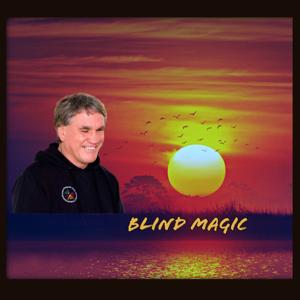


Episode 1503 of Blind Magic in Alice Springs, hosted by Murray Stewart, delivers a fired-up, no-holds-barred monologue on recent controversies in the AFL. There are no guests on this episode — just Murray’s unfiltered reactions and arguments about where sport, discipline and language policing are heading.
Murray opens by recounting two recent incidents: a remark by Port Adelaide’s Zach Butters directed at an umpire, and a reported homophobic slur by a St Kilda VFL player that led to a 10-week suspension. He criticizes the AFL and modern umpires for escalating these moments into major disciplinary actions and contrasts today’s approach with how similar comments were handled in the past.
The host argues that what he calls “virtue signalling” by administrators is turning sports into an artificial, overly regulated environment where men must “tread on eggshells.” He challenges the notion that comments made on the field necessarily harm the wider LGBTI or First Nations communities, describes the punishments as patronizing, and says heavy sanctions risk diminishing the physical and psychological edge that defines contact sport. Murray also says he plans to write to the AFL to make his position clear.
Listeners should expect a passionate, opinionated episode that questions current disciplinary trends in sport, examines freedom of expression in competitive settings, and challenges institutional responses to on-field language and behavior. If you want a strong, personal viewpoint on how modern morality policing intersects with Australian rules football, this episode delivers it.
In this episode of Blind Magic in Alice Springs (Episode 1502), host Murray Stewart shares a deeply personal reflection on living past horrific childhood events and how those memories can shape — but do not have to ruin — the rest of your life. Broadcasting from Central Australia, Murray speaks candidly about his own journey through trauma, recovery after strokes, and the ways his brain has helped him foreground positive memories.
Murray outlines practical approaches listeners can try: writing down the good memories that bring feelings of safety and security to help the brain prioritize them; developing individualized coping strategies rather than relying on one-size-fits-all treatments; and, for those who find it meaningful, offering forgiveness as a way to release heavy burdens. He explains how these methods helped him move forward and emphasizes that healing looks different for everyone.
Rather than a formal interview, this episode is an honest, hopeful monologue that references family dynamics (including his identical twin brother), the choice to shelve painful memories, and the sustaining role of Christian faith. Murray’s tone is encouraging and pragmatic, providing both emotional insight and concrete suggestions for listeners dealing with their own traumatic pasts.
Listeners can expect reflective storytelling, practical tips for mental wellbeing, and a message of resilience: you can carve out a positive, fulfilling life despite past tragedies. Produced by Blind Magic Communications in Alice Springs, this episode offers compassion, perspective, and guidance for anyone seeking to move beyond their painful memories.
Episode 1501 of Blind Magic finds host Murray Stewart reflecting on an extraordinary milestone and a life reclaimed. Recorded in Alice Springs, Murray opens by marking the 1,501st episode and shares the raw, uplifting story of his near-death experience, the long road to recovery and the people who helped him through it.
He pays heartfelt thanks to medical staff, nurses and surgeons, and gives special, moving recognition to his senior support worker Heather for her loyalty and care during the darkest and most difficult moments. Murray also speaks about the vital emotional support of his brother — a confidant who inspired him to start podcasting after hearing shows while Murray was hospitalized at the Royal Adelaide Hospital.
Throughout the episode Murray draws a larger message of resilience and hope, pointing to examples like AFL player Jack Higgins, who returned to the field after surgery for a brain tumour, to show that it’s possible to “touch death” and come back stronger. He reflects on how recovery depends on skilled, loyal people and how surviving can lead you to help others facing the same fight.
He ends with a timely nod to current events — the Artemis II splashdown — offering prayers and well-wishes for the astronauts as they re-enter Earth’s atmosphere, and sending listeners warm wishes for the weekend. This episode is a blend of personal testimony, gratitude, inspiration and reflection on the fragility and triumph of life.
Host Murray Stewart marks a milestone — episode 1,500 of Blind Magic in Alice Springs — with a deeply personal and uplifting message for anyone wrestling with health and life challenges. In this reflective episode Murray draws on decades of experience living with lifelong vision impairment, recent post-stroke epilepsy, and type 2 diabetes to explore a single, powerful idea: acceptance.
Murray recounts a recent health moment — a blood glucose reading of 11.2 and the follow-up appointment with his diabetes specialist — and explains how choosing acceptance over anxiety led to timely action rather than escalation. He also describes how stress, poor sleep, and fighting his condition can increase seizure risk and why embracing his circumstances has helped him stay calmer, safer, and more effective at managing his health.
The episode covers practical and emotional territory: the role of acceptance in reducing stress, the importance of routine checks and working with specialists, strategies to protect sleep and minimize seizure triggers, and the distinction between accepting a condition and neglecting medical care. Murray reflects on a lifetime of living fully despite blindness, shares gratitude for those he’s known who faced illness with dignity, and offers encouragement to listeners to relax into their realities and take necessary steps to protect their health.
Listeners can expect a candid, compassionate, and motivational episode full of lived experience, simple actionable advice, and a hopeful perspective. No external guests — just Murray’s voice, hard-earned wisdom, and a clear call to accept what you cannot change while acting where you can.
Closing on a note of thanks, Murray celebrates the 1,500-episode milestone, reiterates the show’s purpose of sharing information and support, and signs off with optimism for the future.
In episode 1499 of Blind Magic Communications, the host recounts a dramatic and fast-paced recovery mission involving a downed U.S. fighter jet and the desperate search for its co-pilot. The episode covers the sequence of events after the aircraft was struck by a missile, the quick rescue of one pilot, and the intense, time-sensitive hunt to locate and retrieve the other.
The host describes how the stranded pilot relied on an encrypted emergency beacon in his rescue pack to stay in contact with colleagues, scaled treacherous terrain with only a single firearm for protection, and endured an environment where local bounties increased the danger. The account includes details of air power being used to clear the area for rescue operations, the difficult decision to destroy a malfunctioning rescue plane to protect sensitive equipment, and the eventual successful extraction of the pilot.
There are no guest interviews in this episode; instead, the host provides a first-person-style recap and commentary, placing the rescue in cinematic terms and noting that senior U.S. officials, including President Trump, planned a public recognition for those involved. Key points include the pivotal role of the encrypted beacon, the race against time amid hostile ground conditions, the tactical measures taken to secure the recovery, and the human element of survival and sacrifice behind the headlines.
Episode 1498 of Blind Magic with host Murray Stewart is a heartfelt solo episode about home, recovery and the power of community in Alice Springs, Central Australia. Murray shares his personal journey from serious illness in intensive care back to the town he loves, explaining how returning to Alice Springs became a vital part of his rehabilitation and sense of purpose.
Listeners will hear Murray’s reflections on why attitude matters — how choosing to love your town and get involved can transform your sense of belonging. He talks about his long-term roles in local sport and civic life, his decision to found the Alice Springs Ratepayers Association, and how contributing socially and economically can help rebuild both individual lives and the wider community.
The episode covers practical themes and local opportunity: how Alice Springs offers a place to rebuild after loss or change, the many career and relationship possibilities that flow through a transient, vibrant town, and the simple steps anyone can take to make their community better — from joining clubs to engaging with local council. Murray also recounts a personal “test” of whether he would return after being away, concluding that his love for the town endures.
Expect a warm, motivational message that blends memoir, civic encouragement, and an invitation to discover the unique possibilities of Central Australia. This episode is produced by Blind Magic Communications and presented by Murray Stewart.
Episode 1497, presented by Murray Stewart, takes listeners on a series of vivid, personal encounters with the power and mystery of nature. Murray recounts the "blind magic" of Alice Springs and Kata Tjuta (the Olgas), describing a mystical walk through the Valley of the Winds where channels of rock create haunting, whistling gales.
He then shifts to memories of dramatic weather events: savage hailstorms and a 1970s flood in the Hunter Valley that felled trees and swelled rivers, and a night on the Great Ocean Road when gale-force winds and a thundering sea felt like an earthquake underfoot. These stories illustrate how small and vulnerable humans are when nature shows its strength.
Murray reflects on the lessons these "wow and woe" moments teach — humility, respect for natural limits, and the danger of arrogance. He also shares a gentler wow: the quiet strength and beauty of horses at a show, powerful yet seemingly content to be admired.
The episode closes with practical counsel to stay safe, know your limitations, and a warm Easter blessing. Listeners can expect evocative storytelling, natural-history reflections, and reminders about humility in the face of forces larger than ourselves.
Episode 1496 — "Blind Magic in Alice Springs" with host Murray Stewart explores a collection of "wow" and "whoa" moments that brighten our lives. Murray opens with reflections on recent cultural and scientific highlights, including the surprise and inspiration of Celine Dion's return to the stage and the awe-inspiring launch of Artemis II: the astronauts' years of training, the extraordinary speeds involved on a lunar circumnavigation, and the life‑changing technology that space programs can yield.
He considers the broader reasons for human exploration — the excitement, the inventions (like Velcro), and how those efforts break up the monotony of daily life — and shares a delighted reaction to astronauts spotting Australia from orbit. Murray also recalls dramatic encounters with Mother Nature, from 1970s hailstorms in the Hunter Valley to other natural "whoa" moments that have marked his life.
A major focus of the episode is the remarkable power of animals, especially dogs. Murray celebrates the agility and training of working dogs seen at military demonstrations, describes the many roles dogs play as sniffer and service animals, and highlights their extraordinary senses. He relates a personal story of therapeutic benefit: after experiencing cluster seizures, Murray encountered a therapeutic companion dog in hospital that helped him begin speaking normally — a moving example of how animals can provide comfort, detect seizures, and offer life‑changing support.
Key takeaways: the episode weaves together human achievement (spaceflight and performance), nature's drama, and the deep, practical, and emotional benefits animals provide. There are no external guests on this episode — just Murray's firsthand anecdotes, reflections, and well‑wishes. He closes by wishing listeners a happy and holy Easter and noting that this podcast is a Blind Magic Communications production.
Episode 1495 of Blind Magic, hosted by Murray Stewart, broadcasts from a surprisingly green Alice Springs for a very different kind of Easter. Murray opens with vivid local scenery before moving into a series of personal stories and reflections about memorable encounters and the uplifting power of music.
The episode features a moving anecdote about Celine Dion at the Paris Olympics: a broadcaster’s chance meeting with the star, her warm gesture toward an Australian fan, and the emotional significance of her return to the stage following her battle with stiff person syndrome. Murray explores the courage and humanity behind that moment and shares the broadcaster’s and his wife’s reactions as an example of how artists connect with audiences.
Murray expands on celebrity encounters that have stayed with him — from an unforgettable New Year’s Eve fireworks display in Sydney to sharing a lift with Whitney Houston at the Crown Casino, attending Andrea Bocelli’s concert, and naming icons like Stevie Wonder, Michael Jackson and Paul McCartney as artists whose genius leaves lasting impressions. These vignettes illustrate the ‘X factor’ performers have and how small moments can become lifelong memories.
He also speaks candidly about a personal low point at the Royal Adelaide Hospital, explaining how Celine Dion’s music helped lift his spirits during recovery. That testimony frames the episode’s core message: admiration for artists can be a genuine source of solace and strength, not mere adulation.
Key takeaways include the resilience shown by performers, the surprising kindness behind celebrity moments, and how a collection of brief, powerful experiences builds character and empathy. Listeners can expect warm storytelling, reflections on fame and humility, and an invitation to consider who or what has lifted them in difficult times.
Episode 1494 of Blind Magic in Alice Springs: host Murray Stewart welcomes Cheryl (Secretary Treasurer of the Ratepayers Association) and Stana to break a recent malaise and kickstart momentum for a revitalized local Ratepayers Association. The conversation mixes practical community organising with personal anecdotes and a healthy dose of humour.
Topics covered include the role and power of ratepayers associations, strategies to increase membership and engagement, and the aim to influence local council decisions. Murray, Cheryl and Stana emphasise that change happens to those who turn up, and they outline plans to make the association a more influential voice in Alice Springs civic life.
A major focus is holding the new Greens-affiliated mayor accountable after an early decision to change the Australia Day commemoration — a move the hosts oppose. They discuss the importance of presenting common-sense alternatives, ensuring councillors remember they serve ratepayers, and preparing for a tense upcoming meeting with the mayor.
The episode also includes lighter moments — travel chat about New Zealand, a funny aside about Kiwi men’s conversational stamina, and local observations about seasonal slowdowns and recent rains turning the town green. Throughout, the tone shifts between determined activism and approachable community spirit.
Listeners can expect a direct call to action: join the Ratepayers Association, get involved in local debates, and help shape Alice Springs’ future. Contact details to get involved are shared on the show for anyone ready to participate.
From the publisher's feed