A hand on her shoulder. Four words she'd been waiting years to hear: You are not crazy at all. Before that moment, she had lost the use of her left side. Three male doctors had called her hysterical, suggested institutionalization, questioned her fitness as a mother. Then one female neurologist named it in 1993: multiple sclerosis. That diagnosis became the beginning of everything.
Brenda Snow spent thirty years turning that moment into a mission. She built a patient engagement company across 220 disease states and four continents, grew it to over 450 employees, and wrote Diagnosed: The Essential Guide to Navigating the Patient Journey to help others survive what she endured. In this episode, she names what goes unsaid on Both Sides of the Bed: caregivers become invisible, grief happens in silence, and the healthcare system has failed both patient and loved one. You'll hear what the system doesn't teach—and what you need to know to survive it.
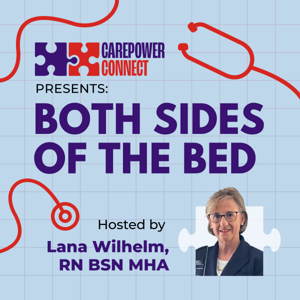
Lana Wilhelm, RN BSN MHA, brings her own seismic story to this exchange. When her husband had a massive stroke in 2021, she discovered the gap in care that no degree had prepared her for. She developed Care Partner Connect and wrote Stroke in the Spouse and Stroke in the Caregiver to fill it. Together, they speak the language of people who have lived on both sides—and who refuse to let that knowledge go unused.
About the Guest: Brenda Snow is a patient advocate, author, and founder of a global patient engagement company that has impacted healthcare delivery across multiple disease states. Her work centers on the invisible labor of caregiving and the resilience required to navigate diagnosis, treatment, and recovery. She is the author of Diagnosed: The Essential Guide to Navigating the Patient Journey.
Both Sides of the Bed is for informational purposes only and does not constitute medical advice. Always consult your healthcare provider for guidance specific to your situation. Visit strokecaregiverconnection.com for resources and support.