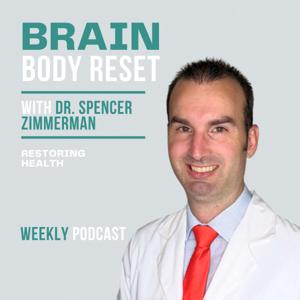
Brain Body Reset

Brain Body Reset

Download on the App Store

Brain Body Reset episodes

  • Rethinking Neurological Rehab: Advances In Technology

    Key Takeaways:

    • Vestibular rehab isn’t just for dizziness. It can benefit people with migraines, POTS, chronic fatigue, neck pain, and even back pain—because your brain’s perception of balance affects your entire nervous system and body.
    • “It’s not just ear crystals.” Many clinicians oversimplify vestibular issues as BPPV, but central (brain-based) vestibular dysfunctions are often the real culprit—and they require advanced evaluation.
    • Traditional therapy often fails. Protocol-driven rehab may worsen symptoms in 10–20% of patients. Precision matters. Rehab must be personalized, not “one-size-fits-all.”
    • Cutting-edge tech is revolutionizing diagnostics. Tools like video oculography (eye tracking), computerized balance posturography, and rotating chair assessments are enabling more accurate, faster, and safer neurological care.
    • AI will change everything. Artificial intelligence is already being used to enhance clinical decision-making, track progress, and personalize care—offering faster answers and better outcomes than ever before.

    To learn more about Dr. Garcia

    https://www.instagram.com/freddysxg/
    https://www.facebook.com/freddysxg
    https://x.com/freddysxg

    1 hr 3 min
  • Vascular Dementia- Practical Guide To Controlling Your Future

    Is vascular dementia inevitable, or can you prevent it before it starts? In this solo episode, Dr. Zimmerman challenges conventional thinking about aging and cognitive decline. He lays out a powerful, proactive approach to preventing one of the most common—but overlooked—forms of dementia.

    🔑 Key Takeaways:

    • Vascular dementia is often preventable, but early action is crucial—changes can begin 10–20 years before symptoms appear.
    • Silent warning signs like elevated blood sugar, insulin, homocysteine, and inflammation are red flags long before memory loss starts.
    • Critical lab tests and imaging, including fasting insulin, hemoglobin A1C, coronary calcium scores, and MRI scans, are underutilized tools for early detection.
    • Lifestyle factors like poor sleep, stress, ultra-processed foods, and lack of exercise compound your risk—but also offer the biggest opportunities for change.
    • You have more control than you think. Empowerment, consistency, and the right data—not just genetics—are the foundation for long-term brain health.
    35 min
  • Genetics, Diet & Brain Health with Dr. Shay

    In this episode, Dr. Zimmerman and Dr. Shay dive deep into how genetics intersect with diet, inflammation, and brain function—dispelling popular myths and reframing what it truly means to eat for your unique biology.

    Key Takeaways:

    • 🧬 Genetics are the foundation—but not the full picture: Your genes reveal propensities (not destinies) around carb tolerance, food sensitivities, inflammatory risk, and metabolism—but they must be paired with lifestyle and functional testing for meaningful change.
    • 🍽️ Why one-size-fits-all diets fail: From keto to Mediterranean, the “best diet” depends on your genetic makeup, metabolic function, and even personal food reactions. Genetic testing helps tailor nutrition to your biology—so you stop guessing.
    • 🧠 Functional testing + lifestyle coaching = results: Genetic data has long-term value, but it's not actionable without a strategy. Learn why integrating personalized coaching and functional labs (like gut or mitochondrial testing) helps cut through overwhelm and get real results.
    • 🚨 Beware of ‘magic bullet’ health trends: Dr. Shay warns against oversimplified solutions—like methylation-only tests or internet-fueled biohacks—and emphasizes the importance of prioritizing gene categories like inflammation, vitamin D receptors, and detox pathways.

    To Learn more about Dr. Shay

    YouTube channel of interviews: https://www.youtube.com/tenpointwellness
    FaceBook: https://www.facebook.com/sam.shay.792/
    Instagram: https://www.instagram.com/drsamshay/
    LinkedIn: https://www.linkedin.com/in/dr-sam-shay-dc-ifmcp-922133128/
    Stand-Up Comedy for being on the Spectrum:
    https://www.youtube.com/watch?v=auxjQWEGFCQ&list=PLbFucTSBmVzhaqaVIyIhDwRKYeiA2ZlEs&index=13

    57 min
  • Health Hijacked By False Beliefs Around Chronic Conditions

    In this bold and heartfelt episode, Dr. Z steps away from symptom talk to challenge a deeper issue that prevents people from healing — the emotional trap of familiarity. He pulls back the curtain on how many patients unknowingly sabotage their own recovery by staying in comfortable, familiar systems that don't deliver results. If you've been stuck for years and feel like you've "tried everything," this episode is your call to think differently and reclaim your health.

    Key Takeaways:

    • 🔁 Familiar ≠ Effective: Sticking with familiar treatments (insurance-based care, medications, standard specialists) may feel safe — but it often keeps people stuck.
    • 🧠 Your Brain Is Wired for Safety, Not Progress: The amygdala (fear center) resists unfamiliar paths, even if they hold the key to healing.
    • 💡 You Don’t Need to Understand It All: Just like you don’t know how your phone works, you can benefit from treatments you don’t fully understand — as long as they’re logically guided and results-driven.
    • 🧾 Insurance Isn’t the Savior You Think It Is: Relying on insurance often leads to delayed or inadequate care — and massive hidden costs in lost time, energy, and life.
    • 🛑 Don’t Confuse Effort with Progress: Bouncing between the same types of doctors or treatments might feel productive, but without real change, it’s just motion — not healing.
    24 min
  • Directing Functional Neurological Care with qEEG Brain Mapping: Pros and Cons

    In this powerful episode, Dr. Spencer Zimmerman welcomes Dr. Michael Trayford, one of the leading experts in QEEG (quantitative EEG) and neurofeedback, to break down what brain mapping is, how it works, and where it's heading. Together, they unpack the strengths, limitations, and clinical applications of QEEG, from ADHD and brain injuries to long COVID and dementia. You’ll also hear how advanced providers are using tools like laser therapy, vibration platforms, and metabolic support—not just neurofeedback—to shift brain function in measurable ways. This episode is a must-listen if you’ve ever wondered, “Is brain mapping worth it?”

    Key Takeaways:

    • QEEG Explained: Understand what quantitative EEG (brain mapping) is, how it compares to traditional EEGs, and what brainwave patterns reveal about cognitive and emotional function.
    • Beyond Neurofeedback: Discover how QEEG guides interventions like laser therapy, vibration platforms, and metabolic strategies—not just brain training alone.
    • Red Flags & Misconceptions: Learn how poor-quality equipment and plug-and-play systems may lead people down the wrong path, and what to look for in a trustworthy brain map.
    • When Neurofeedback Fails: If you’ve done 10+ sessions with little to no results, this episode helps you know when to pivot versus persevere.
    • Hope Through Precision: QEEG opens the door to more personalized brain rehab—especially for patients with concussion, POTS, long COVID, ADHD, and more.

    To learn more about Dr. Trayford visit: https://apexbraincenters.com/qeeg-brain-mapping-asheville-nc/

    51 min
  • Leaky Gut, Foggy Mind: Connecting the Dots with Testing and Treatment

    All Things Gut Health with Dr. Buddy Touchinsky

    • How a Chiropractor Became the “Gut Guy”: Dr. Buddy shares how his focus shifted from treating pain to addressing root causes like gut health after reading Integrative Orthopedics by Alex Vasquez. This led to his deep dive into chronic illness and functional medicine.
    • Understanding Leaky Gut and Dysbiosis: The episode breaks down intestinal permeability (aka “leaky gut”), what dysbiosis means, and how both can exist even when digestive symptoms are absent—showing up instead as fatigue, brain fog, joint pain, or skin issues.
    • Top Contributors to Leaky Gut: They outline five key factors—chronic stress, poor diet, infections (bacteria, parasites, mold), chemical exposures (like glyphosate), and medications (NSAIDs, antibiotics, acid blockers)—and explain how each damages the gut lining.
    • Gut-Brain Axis and LPS: The discussion covers how gut imbalances and bacterial byproducts like lipopolysaccharides (LPS) can fuel systemic inflammation and neurological symptoms, including depression, memory loss, and brain fog.
    • What Testing Can and Can’t Tell You: Stool tests, bloodwork, and food sensitivity panels are covered with nuance—highlighting what’s worth the investment, what’s often overused, and why customized interpretation (not automated protocols) matters.
    1 hr 4 min
  • Post-Concussion Syndrome Treatment: Uncover What's Missing

    Waking up already dreading the day, struggling to think clearly, forgetting words mid-sentence—these are just a few of the frustrating realities so many people face after a concussion. If you’ve tried rest, medications, physical therapy, or chiropractic care but still feel mentally foggy, you’re not alone—and you’re not broken.

    In this episode, Dr. Spencer Zimmerman—founder of Peak Brain and Body and known by many as “The Brain Guy”—dives into why traditional concussion treatments often fall short and what your brain may still need in order to truly heal. We’ll talk about the hidden factors behind lingering brain fog, the importance of advanced neurological testing, and how tools like nutrition, sleep optimization, cognitive exercises, and peptide therapy can support real recovery.

    Whether you’re months—or even years—post-concussion, this episode offers hope, clarity, and practical steps to help you get your life back.

    39 min
  • Functional Neurology: A New Approach To Brain Health

    Key Takeaways:

    • Functional neurology focuses on brain function rather than structural damage and provides solutions where traditional neurology falls short.
    • Eye movements, balance testing, and cognitive assessments are essential in diagnosing neurological dysfunction.
    • Neuroplasticity is at the core of functional neurology, allowing the brain to rewire and heal.
    • A true functional neurology approach integrates rehabilitation, functional medicine, and lifestyle interventions.
    • Not all functional neurology providers are equal—expertise, training, and diagnostic tools matter.

    If you’ve been struggling with chronic fatigue, brain fog, dizziness, post-concussion symptoms, or other neurological issues, this episode is a must-listen to understand why functional neurology may be the missing piece in your recovery.

    To check out the blog: https://peakbrainandbody.com/functional-neurology-tampa/

    36 min
  • Boost Your Mood- Power of Hormones

    In this insightful episode, Dr. Spencer Zimmerman sits down with Dr. Lorraine Maita, an expert in integrative and anti-aging medicine, to discuss the profound impact of hormones on brain health. They dive deep into how hormones like estrogen, progesterone, and testosterone are not just about sex and reproduction but play essential roles in cognitive function, mood regulation, memory, and overall neurological health.

    Key Takeaways:
    ✅ Hormones Are Brain Regulators – Estrogen, progesterone, testosterone, and DHEA function as neurosteroids, directly influencing mood, cognition, memory, and mental sharpness.
    ✅ Menopause & Brain Fog – Fluctuations in estrogen and progesterone during perimenopause and menopause can lead to memory lapses, mood swings, anxiety, and depression.
    ✅ The Testosterone Factor – Women actually have more testosterone than estrogen, and low testosterone in both men and women is linked to anxiety, depression, and reduced confidence.
    ✅ Testing Matters – Many healthcare providers prescribe hormones without proper testing. Blood, saliva, and urine tests are necessary to accurately assess and adjust hormone levels.
    ✅ Bioidentical vs. Synthetic Hormones – Bioidentical hormone replacement therapy (BHRT), including estradiol patches and micronized progesterone, is safer and more effective than synthetic alternatives.
    ✅ Your Lifestyle Impacts Your Hormones – Diet, stress, exercise, and environmental toxins all play a role in hormone balance and brain health.

    Dr. Maita also debunks common hormone myths, including the misconception that estrogen causes breast cancer and shares how proper hormone management can reduce risks of dementia, osteoporosis, and cardiovascular disease.

    49 min

About Brain Body Reset

From the publisher's feed

Beyond the diagnosis and symptoms, there's a path to feeling better. Dive into the world of brain-body connection and learn how to optimize your health.