
Sign up to save your podcasts
Or



It’s harder than ever for brands to break through and become part of the cultural conversation. In this episode, Linda and Finley are joined by Jessica Nuremberg, who is responsible for new business development at Maximum Effort. Maximum Effort’s “fastvertising” model takes a culture-first approach to marketing for brands like State Farm, Door Dash, Peloton, and SToK. Jess explains why risk-taking and storytelling are keys to success, and shares a behind the scenes look at some successful campaigns.
Linda and Jess also discuss the challenges of being single moms and Finley shares her perspective on why open communication is critical to forging a strong mother-daughter relationship. Don’t miss this candid take on moments that matter in marketing and motherhood!
Key topics
· Jess discusses joining Maximum Effort and a willingness to take a leap while becoming a single mom.
· They discuss how Maximum Effort’s model is built around creating moments that matter.
· The difference between traditional brand planning cycles and fastvertising.
· The team’s approach to culture-first ideas, including the State Farm and Taylor Swift–Travis Kelce moment.
· The Astronomer crisis-response example and how media strategy can be about where not to post, not just where to spend.
· Why Maximum Effort says no often, and how selective project choice helps preserve quality and breakthrough potential.
· The Stok Ready to Drink Coffee and Wrexham AFC partnership as a case study in taking a risk that started as a surprising idea and became a major brand platform.
· Motherhood, found family, and why small rituals and communication matter more than perfection.
Timestamps
00:00 — Introducing Jess Nuremberg and her path to Maximum Effort
02:30 — IVF, pregnancy, and taking a job at the wrong right time
03:39 — Why Maximum Effort’s culture made the leap possible
04:58 — ADHD, disorganized chaos, and surviving mental overload
08:35 — Why ADHD can be an advantage in fast-moving marketing
09:28 — What asymmetrical impact means
10:42 — The “lottery ticket” model and moving fast
11:12 — Turning the Taylor Swift and Chiefs moment into a brand play
14:06 — The DoorDash Super Bowl without a Super Bowl ad
16:16 — How the Coldplay kiss cam moment became a crisis PR masterclass
20:17 — Using social media strategically instead of blasting paid media
21:32 — Why younger audiences trust culture-led content
24:54 — The role of “fire sparks” versus always-on marketing
26:16 — The Stok and Wrexham partnership and why uncomfortable ideas can win
30:49 — Outsized impact, household penetration, and incremental sales
31:35 — Why calculated risk makes future experiments easier
32:56 — New work with SailGP, Ryan Reynolds, and Hugh Jackman
34:42 — Why SailGP has the same storytelling upside as Wrexham
35:50 — Finley on sports partnerships, NIL, and athlete influence
39:37 — The Devil Wears Prada 2 and L’Oréal with Kendall Jenner
41:30 — Why authentic talent works best
42:24 — Motherhood, single parenting, and building a non-traditional family
44:17 — The power of shared experience
47:14 — Taking care of yourself while raising a child alone
49:14 — Communication, quality time, and making your own traditions
51:16 — Why moms need to refill their own tank first
52:55 — Cool or cringe: Peloton, Pilates, running, and yoga
59:54 — Closing thoughts on marketing and staying relevant
In a world overflowing with choices, how do brands earn and foster meaningful connections? In this episode, Linda and Finley are joined by Doug Zarkin, CMO and best-selling author, who offers a fresh perspective. He shares why brands need to work harder to earn trust and explains the importance of “Thinking Human” -- treating every customer or consumer as if they are the only one who matters. Finley also shares her personal experiences working on the front lines of retail as they debate whether or not the customer is always right. They also weigh the pros and cons of AI in customer service and discuss whether the use of AI is counter to thinking human.
Key topics
Timestamps
00:00 - Introducing Doug Zarkin
01:15 - What “thinking human” means
02:46 - Why today’s customers have more power and less patience
04:54 - Training frontline teams to represent the brand consistently
06:39 - The 5 second rule and why first impressions matter
07:23 - Solving problems in the moment
08:54 - Finley on customer happiness, return policies, and real-world guardrails
11:02 - Why rigid rules break down in real retail situations
12:37 - Younger customers, social capital, and the power of reputation
14:24 - Is AI counter to thinking human in customer service?
15:25 - Why AI can help with data but fails in gray-area situations
17:09 - The hidden frustration of AI-only customer service systems
18:47 - Customer service as the place where brands apologize publicly
20:03 - Turning an adversary into an advocate through empathy
21:56 - Closing the loop and why reputation commerce matters
24:35 - When a brand has to fire a customer
26:26 - Brand value equals experience divided by price
27:38 - What makes a great experience for Gen Z shoppers
29:21 - Consumers make emotional decisions before rational ones
30:40 - Turning an oil change into a meaningful customer experience
33:00 - Mindset, curiosity, and asking better questions
34:06 - How Pink was positioned as more inclusive
37:22 - Finley’s take on Pink versus Victoria’s Secret
38:21 - Celebrity seeding, product placement, and experiential marketing
40:25 - Collabs and backpacks
43:13 - Why speed to market can hurt quality
44:26 - Finley’s TikTok Shop lesson: you get what you pay for
46:20 - Empathy, refunds, and handling complaints
47:20 - Redesigning a bag after TikTok criticism
48:11 - Sports and smart customer empathy
49:32 - Lifetime guarantees, retention, and small gestures that build loyalty
51:27 - Cool or cringe summer vacation
In this episode, Linda and Finley share their perspectives on their recent trip to the Cannes Lions Festival of Creativity. They discuss why some Cannes activations felt instantly on-brand, how The Ordinary and Kit Kat turned strong ideas into standout campaigns, and why creator content and shoppable experiences are shaping modern marketing. They also recap Finley's speaking engagement on how Gen Z is revamping the shopper journey. Retailers take note: if you're not creating a frictionless shopping experience, you're missing out!
Key topics00:00 - Cannes kickoff and first impressions of the festival
01:45 - Why Cannes feels less like work and more like a glamorous trade show
03:07 - Which brand activations felt memorable and on-brand
05:01 - Why Cannes exists to celebrate creativity, not just activations
06:09 - The Ordinary’s The Periodic Fable of Elements campaign
07:07 - The Great Kit Kat Heist campaign
08:36 - The growing focus on creators at Cannes
09:57 - YouTube’s push into short-form creator content
10:47 - Creator sessions that drew standing-room-only crowds
11:57 - Why Love Island is such a powerful brand environment
13:31 - How Poppi turned fan culture into a product partnership
15:09 - The risk of tying a brand to one influencer versus a broader property
16:03 - Gen Z shopping behavior and why it was discussed on stage
17:26 - How Gen Z discovers products through social media first
18:25 - Traditional advertising versus modern discovery habits
20:00 - Why word of mouth still matters more than ads
21:02 - Social search, TikTok research, and creator recommendations
22:59 - Why Gen Z trusts reviews and user videos
24:43 - How ratings and reviews factor into purchase decisions
25:39 - Convenience, Apple Pay, and buying from bed
26:33 - Unboxing as part of the shopping experience
27:52 - The balance between personalization and being too pushy
28:57 - How retail associates can recommend without overwhelming shoppers
30:03 - Shoppable ads tied to Love Island moments
31:29 - Moving from inspiration to purchase in a few clicks
32:12 - Why shopping is often a social, multitasking experience
33:26 - Why Gen Z insights matter for marketers
33:54 - Wrapping up and looking ahead to another Cannes
Finley Bethea and Ella Froah, two first timers to the Cannes Lions International Festival of Creativity, share what's cool or cringe at Cannes!
A brand is only as strong as the community that surrounds it. In this episode, Linda and Finley explore the power of brand communities and fandom in marketing. You’ll learn about the different types of communities and how brands can leverage them to drive engagement and loyalty. You’ll also hear Finley’s take on which brand fandoms are cool or cringe. She and Linda both stan for Harry Potter but only one is a Star Wars fan!
Key topics00:00 - Welcome and episode setup
00:36 - What brand communities are and why they matter
01:21 - Brand passion communities: Nike and loyal fanbases
03:18 - Why authenticity matters to Gen Z consumers
03:47 - Bloom, transparency, and ingredient trust
05:18 - Social media, ambassadors, and customer listening
06:20 - Collaboration communities and product innovation
06:44 - Poppi, Love Island, and culture-based partnerships
08:56 - Glossier and feedback-driven retail experiences
09:40 - Kendra Scott and customization as engagement
11:08 - Testing products and giving consumer feedback
13:14 - Lay’s Do Us a Flavor and consumer co-creation
14:52 - Why fandom is a major marketing concept now
16:36 - Sports, music, and belonging across generations
18:17 - Social media as a fandom accelerator
19:23 - Jeep groups and niche brand communities
20:32 - Goodreads, Belli, and Gen Z community apps
21:54 - Why fandoms can move business and culture
22:58 - Taylor Swift, friendship bracelets, and audience interaction
24:18 - Swifties, football, and the NFL connection
25:16 - Brand visibility through fan behavior and fashion
26:07 - How brands should tap into existing fan culture
27:42 - Captain Morgan and authentic soccer partnerships
30:26 - Fans as loyal ambassadors who drive awareness
31:03 - Cool or cringe: the top fandoms list begins
31:43 - Harry Potter, Marvel, and Star Wars
34:09 - Game of Thrones and BTS
35:32 - Star Trek and Lord of the Rings
36:16 - Roblox as a multi-fandom platform
38:20 - Minecraft, Lego, and crossovers
39:03 - Twilight and generational fandom
40:12 - Hunger Games and broad audience appeal
41:06 - Pokemon and multi-channel engagement
41:31 - Disney and multi-generational fandom
42:08 - Dungeons and Dragons and legacy fandoms
43:03 - Final takeaways on communities and marketing
Brand New Perspective: Touching Grass, Doomscrolling, and the Rise of IRL Marketing
“Touching grass” has become one of the internet’s favorite phrases. It began as a jab aimed at people spending too much time online. Today, it reflects how Gen Z is renegotiating its relationship with digital screens and striving for more balance with more real-life experiences. Linda and Finley break down the mental health impact of doom scrolling and what makes a memorable IRL experience. And don’t miss Finley’s hot takes on the Ad Age list of 20 brands catching Gen Z’s attention!
Key topics
Timestamps
00:00 - Cold open on no-fizz drinks and playful banter
01:01 - Introducing the episode’s focus on “touching grass”
03:28 - Doomscrolling, screen time, and how Gen Z uses social media
05:47 - Social media as a search engine, friend network, and habit loop
07:10 - Research on Gen Z reducing screen time and valuing IRL experiences
08:12 - How the Limit app helps manage TikTok usage
10:19 - Social media, mental health, and The Anxious Generation
12:34 - The “digital Dorito” analogy and platform responsibility
14:16 - The Meta and YouTube case and questions about accountability
17:25 - Snap Map, exclusion, and the pressure of seeing where everyone is
18:43 - College decision posts and the stress of public comparison
20:20 - Why Gen Z is returning to the mall, movies, and offline plans
21:25 - Hacky sack, crocheting, and hands-on activities that beat scrolling
24:06 - Hanging out in person without needing constant interaction
25:18 - Why marketers are shifting toward experiential marketing again
26:17 - So Delicious at Lollapalooza and multi-sensory pop-up design
28:23 - Influencer trips, Coachella, and the value of IRL content capture
29:34 - What makes a strong brand experience versus a forgettable one
32:18 - Permanent brand spaces like Coach Play and Netflix House
35:04 - Bad publicity, product issues, and the speed of social backlash
36:18 - Social listening as a marketing tool for insights and damage control
38:29 - Cool or cringe: brands catching Gen Z’s attention
44:45 - Celsius, Gen Z lingo, and why forced slang falls flat
45:39 - Closing thoughts and a final reminder to touch grass
Brand New Perspective: Brand launches, AI Slop or Slay, and Gen Z Cringe
Linda and Finley unpack how brands are evolving to win with Gen Z, from packaging and influencer strategy to pre-launch buzz and community building. They also dig into the growing debate around AI in marketing, then wrap with a look at what Gen Z actually finds cringy and why embarrassment still shapes behavior online and offline. Spoiler alert: Linda is totally cringe with her side part and skinny jeans but Finley loves her anyway!
Key topics
Timestamps
00:00 — Cold open and pre-show banter
01:53 — Opening the podcast and setting up the topic
03:09 — Why brand launches for Gen Z look totally different now
04:12 — Pure Leaf and the power of distinct brand assets
05:17 — Packaging as the number one impression driver
06:14 — Why products are now designed for scrolling, not just shelves
08:08 — Bubly and the traditional 360 launch model
08:38 — How Poppi grew through smaller communities and influencers
10:42 — Why anticipation before launch now matters more than launch day
11:51 — Taylor Swift as a branding and fan-community case study
13:53 — Easter eggs, album drops, and making fans part of the story
17:46 — Alix Earle and the Real Actives launch strategy
19:47 — Teaser accounts, puzzle-piece billboards, and building buzz
21:50 — Turning launch hype into actual product sales
23:25 — Switching gears to “AI slop or slay”
23:38 — Why AI ads get backlash for feeling lazy or low effort
25:47 — Finley’s view on AI as a useful tool when used well
26:45 — Brands pushing back with anti-AI messaging
27:54 — Why saying “never” to AI can box brands in
29:03 — Real people, real skin, and authenticity in beauty marketing
30:18 — Where AI models might be less controversial
31:24 — AI, authenticity, and the fruit Love Island trend
33:27 — Viral AI entertainment versus AI trying to sell products
34:42 — AI, humanity, and why connection still wins
35:19 — When AI makes sense in medicine—and when it does not
37:04 — Cool or cringe and the Yahoo headline
39:43 — Is fear of cringe actually stopping Gen Z from doing things?
41:14 — What Gen Z finds cringy: drinking, licenses, emojis, side parts, and jeans
45:12 — Trying too hard, school pressure, and effort as a positive
47:24 — Cringe compilations, irony, and online embarrassment
48:44 — Sign-off and closing remarks
In this bonus episode, Finley visits her friend Skylar at Clemson University to learn which drinks students there think are cringe or cool, as well as the brand of clothing everyone on campus is wearing.
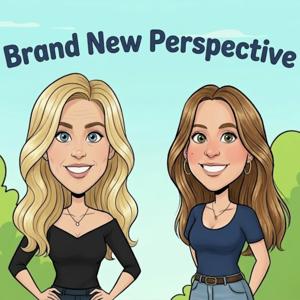
If you’re a marketer or a parent trying to connect with Gen Z, this podcast is for you! Meet Linda Bethea, an experienced Chief Marketing Officer, and her Gen Z daughter, Finley as they discuss why they decided to launch a podcast and share their different perspectives on marketing, motherhood, and mental health.
From the publisher's feed
Gain a brand new perspective from this mother-daughter duo. Each month, you'll hear different perspectives on marketing, motherhood, and mental health from an award-winning CMO and her Gen Z…
Email: [email protected]
Instagram: @brandnewperspective3
LinkedIn: www.linkedin.com/in/linda-bethea/
www.linkedin.com/in/finley-bethea-1681b7362/