
Sign up to save your podcasts
Or

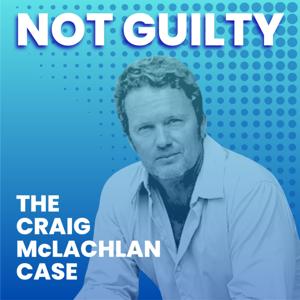

Having carefully examined the criminal charges in the Craig McLachlan case, Vanessa now
turns her focus to the Magistrate’s rulings — and in particular, two aspects that continue to
generate debate.
First, the reference to the “old” versus “new” laws. What do these legislative changes actually
mean in practical terms? How do they alter the way a court assesses conduct, intention, and
consent? And could there possibly have been a different outcome had the newer provisions
applied?
Second, the Magistrate’s description of Craig’s accusers as “brave and honest.” What is the
role of judicial commentary following an acquittal? Where is the line between explaining a
decision and making observations that may have lasting reputational consequences?
In this episode, Vanessa explores not only the legal mechanics, but the broader question of
accountability. What responsibility rests with judicial officers when their remarks carry
significant public impact? And what recourse exists when commentary is perceived as
thoroughly damaging?
Stay tuned for a compelling and thought-provoking discussion.
Hosted on Acast. See acast.com/privacy for more information.
 View all episodes
 By Vanessa Scammell
Having carefully examined the criminal charges in the Craig McLachlan case, Vanessa now
turns her focus to the Magistrate’s rulings — and in particular, two aspects that continue to
generate debate.
First, the reference to the “old” versus “new” laws. What do these legislative changes actually
mean in practical terms? How do they alter the way a court assesses conduct, intention, and
consent? And could there possibly have been a different outcome had the newer provisions
applied?
Second, the Magistrate’s description of Craig’s accusers as “brave and honest.” What is the
role of judicial commentary following an acquittal? Where is the line between explaining a
decision and making observations that may have lasting reputational consequences?
In this episode, Vanessa explores not only the legal mechanics, but the broader question of
accountability. What responsibility rests with judicial officers when their remarks carry
significant public impact? And what recourse exists when commentary is perceived as
thoroughly damaging?
Stay tuned for a compelling and thought-provoking discussion.
Hosted on Acast. See acast.com/privacy for more information.