We don't have a strength problem. We have a permission problem."
The conversation with Quincey Roberts Sr., Victor "Coach" Hicks, and Victor Terry ended. But Craig Aarons-Martin wasn't done.
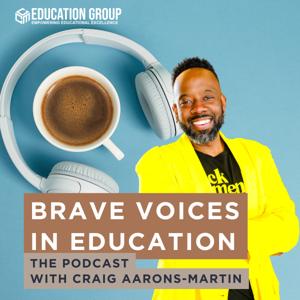
This is the after show — a raw, unscripted solo reflection recorded in the quiet after one of the most necessary conversations Brave Voices has ever held. No panel. No guests. Just Craig sitting with what the brothers said the night before and following it to its honest conclusion.
What you'll hear in this episode:
The real statistics on Black men's mental health in 2026 — suicide rates, access to care, and what we're doing about it. Why 1 in 2 Black adults are dealing with mood or anxiety disorders, but only 2 in 10 Black men ever actually access care. What fills that gap — and why healing circles, men's groups, fraternal spaces, and community matter more than we admit.
The cost of code-switching. Every room calculated. Every version of yourself managed. That's a tax. For Black queer men, it's a double tax. And the toll it takes never appears on a death certificate.
Victor Hicks said something Craig can't put down: "Some of us have never been loved without an asterisk." Conditional love isn't love — it's a lease agreement. And what happens when blood doesn't show up but someone else does. That's not a consolation prize. That's grace.
A word for Black women who are holding this alongside us. For Black fathers trying to pass something better forward. And for this generation of Black boys — who are already rebuking everything that broke the generations before them — and who deserve spaces that can hold their full, imperfect, powerful selves.
And finally: why Craig is in three different groups right now, has a therapist, and made a conscious decision that his future inheritance will be holistically forward, vibrant, and thriving.
"We die every day from the things we don't say — things that never find themselves on a death certificate."
Listen to the full live conversation — What Black Queer Men Carry — wherever you found this episode.
📗 Creating Brave Spaces for LGBTQIA+ Youth (ASCD/ISTE): ascd.org📅 Work with Craig: calendly.com/ccmeducationgroup/discovery-call🌐 ccmeducationgroup.co | @iamcraigaaronsmartin | @bravevoicespod
#BraveVoices #BlackMentalHealth #WhatBlackQueerMenCarry #PermissionProblem #HealingJustice #Brotherhood #BlackMen #MensHealthMonth
Brave Voices in Education is a production of CCM Education Group Consulting LLC.© 2026 Craig Aarons-Martin. All rights reserved