Global efforts to control malaria are entering a new phase, with fresh funding and scientific advances aimed at improving and expanding vaccine protection against the mosquito-borne disease that kills more than 600,000 people each year, most of them young children in low- and middle-income countries. Replicate Bioscience notes that malaria remains endemic in more than 80 countries and continues to disproportionately affect children and pregnant women, underscoring the urgency of better tools for prevention.
This week, a key development came from the RNA vaccine field. Replicate Bioscience announced that it has been awarded approximately 3.5 million dollars from the Bill & Melinda Gates Foundation to develop a low-dose, multigenic malaria vaccine based on self‑replicating RNA technology. According to the company’s statement distributed by PR Newswire and BioSpace, the goal is a vaccine platform that is not only more durable and potent than current options but also easier to manufacture and deploy in resource‑limited settings. The firm argues that its srRNA platform can generate both antibody and T‑cell responses at lower doses, potentially improving safety and lowering costs.
This push reflects widely acknowledged limitations of the first World Health Organization–recommended malaria vaccines. Replicate Bioscience points out that existing vaccines, such as those already endorsed by WHO, offer only moderate efficacy, require multiple doses, and show waning protection over time. These factors, combined with manufacturing and delivery constraints, limit their impact on transmission and mortality and have driven the search for next‑generation products that can provide stronger, longer‑lasting protection and be scaled rapidly for African markets.
At the same time, researchers are working to broaden the scope of vaccine protection beyond the dominant parasite species and early life‑cycle stages. The Walter and Eliza Hall Institute of Medical Research in Australia reports new Synergy Grant funding for a project to design a “multi‑stage, multi‑species” malaria vaccine. WEHI scientists note that while two vaccines now exist for Plasmodium falciparum, there is still no licensed vaccine for Plasmodium vivax, another major cause of malaria. Existing products mainly target proteins at the parasite’s early liver stage; WEHI researchers say that if even a single parasite escapes that blockade, clinical disease can still occur. Their work aims at antigens that operate across liver, blood, and transmission stages, with the ambition of both preventing illness and blocking spread back to mosquitoes.
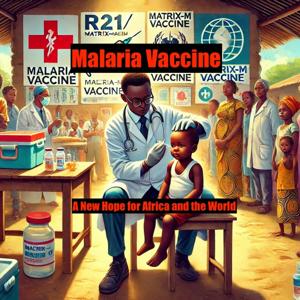
Beyond vaccine design, access and implementation remain pressing themes. UNICEF USA recently highlighted that a newly reduced price for the R21/Matrix‑M malaria vaccine could allow nearly 7 million additional children to be fully vaccinated over the next five years, illustrating how pricing decisions can be as consequential as scientific breakthroughs for real‑world impact. Meanwhile, a review published on MalariaWorld on January 7 examines ongoing challenges to vaccine availability and rollout in African countries, including supply constraints, health‑system capacity, and the need to integrate malaria vaccination with other child health services.
Taken together, these developments show a rapidly evolving malaria vaccine landscape: from RNA platforms backed by philanthropic funding, to multi‑stage candidates in academic pipelines, to pricing and delivery strategies intended to translate laboratory advances into lives saved in the world’s most affected communities.
This content was created in partnership and with the help of Artificial Intelligence AI



 View all episodes
