
Sign up to save your podcasts
Or

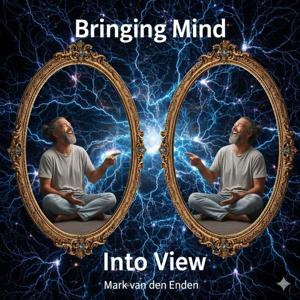


Introducing the Author
Welcome to the Season 2 premiere! After dedicating our first season to the foundational lists of Gampopa, this episode shifts focus to the man behind the synthesis: Mark van den Enden.
In this biographical deep dive, the hosts explore the life journey, lineage, and professional background that shaped the upcoming book, Bringing Mind Into View.
Episode Highlights:
The GenX Foundations: Born in Devonport, Tasmania in 1974, Mark's GenX independence and Dutch/Polish upbringing laid a foundation of hard work, critical thought, and a cynical independence that greatly aided his spiritual renunciation.
The Cosmic Joke & Heartbreak: We explore his profound numinous experience in 1993–1994, where he glimpsed the "cosmic joke" and understood that the universe is inside the atom. We also discuss the painful redirection of his life in the late 90s—the heartbreaking loss of access to his son, which led him to deep retreat and gardening practice at Lorinna.
Kagyu Lineage Connections: Trace his deep roots in the Kagyu lineage, from his early encounters with Traleg Tulku, Zasep Tulku, and Lama Sonam Tenzin Rinpoche, to his close, shoulder-to-shoulder apprenticeship building a center with his root guru, Lama Tsewang Lhakpa.
Bridging Two Worlds: Discover how his professional journey moved through Horticulture, Transpersonal Counselling, Social Work, and Nutritional Psychology to bridge Western mental health with Dharma.
The Genesis of the Book: Learn about the 15-year writing process of Bringing Mind Into View, a project that spontaneously flashed into his mind in 2010. You will also find out why publication is intentionally delayed until 2027 to await the profound "Buddha Within" teachings.
Dismantling the Skin Suit: Hear about the intensive shadow work required to dismantle an anxious, prickly personality to become someone who can simply smile at the "skin suit". Finally, we explain how physical wear and tear from a lifetime of building work forced him to step away in 2025, leading directly to the creation of this accessible podcast.
Tune in to get to know the practitioner behind the pages as we prepare to dive deep into the core teachings of Bringing Mind Into View this season!
Season 1 of the synthesis serves as the foundational "Protocol" for establishing your "Mind-Science Laboratory," bridging the ancient wisdom of Gampopa's A Precious Garland of the Supreme Path with the modern, practical framework of Mark van den Enden's Bringing Mind Into View. This season focuses on diagnosing the mind's "system errors" and laying out the standard operating procedures for authentic spiritual practice.
Key Gampopa Lists Explored:
The Ten Incentives (Exhortations): This acts as the urgency protocol. It covers the Four Contemplations—recognizing the precious human life (the ultimate lab equipment), the ticking clock of death and impermanence, the unfailing law of karma, and the constant, prison-like torment of samsara.
The Ten Things One Must Know: Establishes the core hypothesis of the view. It teaches that external appearances are deceptive and illusory, the internal mind is empty and unfindable, and thoughts are merely transient, adventitious conditions.
The Ten Things to be Avoided (Things of No Benefit): Highlights the futility of worldly fixations, warning against obsessing over the perishable body, hoarding wealth, or getting caught up in the endless "hamster wheel" of mundane pursuits that provide no lasting security at the time of death.
The Grievous Mistakes & Failures: A diagnostic checklist of system-critical errors to avoid. It covers pitfalls like becoming a "Dharma Expert" who preaches but doesn't practice, mistaking temporary meditation experiences (which evaporate like mist) for true, unchanging realization (like space), or following worldly charlatans instead of authentic lineage gurus.
The Ten Things to be Done: The practical steps for walking the path. This emphasizes finding a realized lineage teacher, studying broadly, and rigorously applying the Three Wisdom Tools (study, contemplation, and practice) to turn intellectual understanding into direct experience.
Core Mind-Science Concepts:
Unfusing from the "Human Suit": The season reframes spiritual practice. It is not about self-improvement or decorating the ego, but about waking up from your dualistic, programmed social identity (the human suit) and childhood conditioning.
The Projector vs. The Movie: A central analogy teaching practitioners to distinguish between the inherently luminous, empty mind (the projector/bulb) that illuminates reality, and the transient appearances and thoughts (the movie) that we mistakenly believe are solid and real.
Debugging System Errors: Understanding the four "veils" of consciousness—ignorance, dualistic grasping, mental afflictions, and karma. These adventitious defilements obscure our primordially awakened Buddha Nature, much like clouds hiding the sun.
Crucial Meditation Instructions: Season 1 emphasizes that theoretical knowledge must be tested directly in the laboratory of the mind. It introduces "Looking for the Looker" as a Vipashyana (Insight) technique to directly experience the unfindability of the self. It also establishes the core protocol for Shamatha (Tranquility) meditation: practicing in short, fresh sessions by counting breaths, and utilizing the "Reset Technique." When taking a break, the practitioner is instructed not to get up, but to simply drop the technique, relax into natural clarity without interference, refresh, and then resume.
Gampopa's Number 20: The Ten Perfect Things (also translated as the ten correct qualities) from A Precious Garland of the Supreme Path, enriched with commentary from Mark van den Enden's Bringing Mind Into View.
In this episode, the hosts will fully explore how Gampopa breaks down the perfect approaches to practice based on a practitioner's capacity (lesser, medium, and sharp intelligence). They will unpack:
The Correct View: Trusting in karma (lesser), realizing the fourfold unity of appearance and emptiness (medium), and realizing the inseparability of the viewer, the viewed, and the realization (sharp).
The Correct Meditation: One-pointed concentration on a target like a deity (lesser), the four absorptions (medium), and resting in the non-dual state where the meditator, the object, and the meditation are inseparable (sharp).
The Correct Conduct: Guarding karmic actions like your own eyes (lesser), acting as though all phenomena are dreams and illusions (medium), and engaging in no conduct/non-action (sharp).
The Perfect Sign of Progress: For practitioners of all three capacities, the ultimate benchmark is that defilements and grasping at the self consistently decrease and subside.
The Ten Things Wherein One Does Good for Oneself from A Precious Garland of the Supreme Path, interwoven with practical commentary from Mark van den Enden's Bringing Mind Into View.
In this episode, the hosts will deeply explore the ten actions that represent a true kindness to oneself, freeing the mind from samsaric entanglement. They will unpack the profound benefits of:
Abandoning worldly conventions and human attachments to practice the pure Dharma.
Leaving behind worldly life to follow a lineage guru or sublime personage.
Giving up distractions to devote oneself to learning, reflection, and meditation.
Embracing solitude rather than remaining enmeshed with village people and neighbors.
Cutting the ties of sense pleasures and remaining stable in nonattachment.
Being content with the bare necessities and simplicity, without craving luxuries.
Keeping steadfast resolve and not surrendering one's independence to the influence of others.
Pursuing the lasting happiness of enlightenment (cultivating bodhicitta) without regard for the temporary pleasures of this life.
Giving up clinging to things as being real and bringing emptiness into your experience.
Guarding your actions of body, speech, and mind to exert yourself in gathering the two accumulations.
The Ten Self-Accomplished Sufferings.
In this episode, the hosts unpack how we manufacture our own misery through misguided actions and worldly fixations, using Gampopa's text from A Precious Garland of the Supreme Path and Mark van den Enden's commentary from Bringing Mind Into View.
Episode Show Notes: The 10 Self-Accomplished Sufferings The hosts explore these ten profound metaphors that describe how practitioners bring unnecessary suffering upon themselves:
Loveless Worldliness: Living a family life without love is like an imbecile eating strong poison.
Abandoning Dharma for Evil: Committing negative, unspiritual deeds instead of practicing the Dharma is like a madman jumping into a bottomless abyss.
Hypocrisy and Deceit: Deceiving others with undue pretensions or acting as a charlatan is like willingly eating poisoned food.
Foolish Leadership: Entrusting leadership to someone of little intelligence, or foolishly acting as a leader for others, is like asking a frail old woman to herd cattle.
Selfish Pursuits: Laboring entirely for selfish, worldly aims (the eight worldly concerns) instead of working with pure motivation for the benefit of others is like a blind person wandering aimlessly in the northern plains.
Grabbing for Grandeur: Undertaking impossible tasks or striving for unreachable feats is like a weakling trying to carry a massive, heavy burden.
Disregarding the Guru: Arrogantly belittling the words of the Buddha or disregarding your holy guru is like a ruler ignoring their council, or losing the protection of a powerful escort.
Abandoning Meditation: Giving up your meditation practice to roam through the towns and return to worldly distractions is like a mountain deer descending into the valley where it will be hunted.
Succumbing to Distraction: Getting carried away by the elaboration of distractions rather than encouraging and sustaining your innate natural wisdom is like a mighty garuda bird breaking its own wings.
Misappropriating Sacred Property: Carelessly consuming the property and funds of the guru and the Three Jewels is like a small child trying to eat burning embers.
The episode weaves these ancient warnings together with modern mind-science, reminding listeners that these troubles are "self-imposed" system errors that can be remedied through sincere practice, ethical restraint, and waking up from the delusions of the human suit.
In this episode, the hosts will deeply explore the ten things that ultimately provide no lasting benefit, especially when viewed against the reality of impermanence and death. They will unpack the futility of:
Serving and obsessing over the perishable, illusory body.
Hoarding wealth with greed and avarice.
Labouring to construct beautiful mansions or palaces that you must eventually leave behind.
Giving wealth to children or relatives who will have no power to help you at the moment of your death.
Giving excessive attention to family and friends, since you must face death alone.
Increasing your number of heirs just to leave them amassed wealth.
Putting your life's effort into acquiring land, property, and worldly authority.
Entering the Dharma but failing to conduct yourself with sincerity.
Being highly educated in Dharma through hearing and reflection, but failing to actually practice it.
Remaining with a holy guru for a long time but lacking the faith and respect needed to receive their blessings.
In this episode, the hosts will deeply explore the eleven signs that indicate a practitioner has truly unfused from their worldly "Human Suit." They will unpack the marks of a holy person, which include:
Having a reduction in jealousy, pride, and craving, while remaining content with ordinary possessions.
Lacking arrogance, snobbery, and the desire to show off or censure others.
Performing actions with alert mindfulness and guarding karmic consequences as carefully as one's own eyes.
Acting without hypocrisy regarding vows, and treating all sentient beings with equanimity.
Having patience with those who commit evil deeds, rather than responding with anger.
Offering all credit and victory to others while accepting defeat for oneself.
Possessing thoughts and conduct that are fundamentally different from common, worldly people.
The Eighteen Errors of a Spiritual Practitioner (also known as the eighteen prohibitions against hidden evils) from A Precious Garland of the Supreme Path, interwoven with practical commentary from Mark van den Enden's book, Bringing Mind Into View.
In this episode, the hosts will deeply explore the eighteen contradictions and pitfalls that a spiritual practitioner must avoid. They will unpack errors such as:
Living in seclusion but still striving for worldly greatness, fame, and happiness in this life.
Acting as a leader of others while still striving to accomplish selfish aims.
Being learned in the teachings but not fearing committing evil deeds.
Having received abundant oral instructions, yet still retaining the mind and habits of an ordinary person.
Keeping pure discipline but remaining full of craving and high ambition.
Teaching profound oral instructions to others solely to receive food and wealth.
Shrewdly applauding oneself while cleverly denouncing others.
Being carried away by pleasure while being unable to endure pain.
The Ten Unmistaken Things – The Reality Check
Stop guessing and start validating. Explore Gampopa’s "Ten Unmistaken Things" and the mind-science of authentic spiritual results.
In this episode, the Tassie Dharma Bum provides the definitive checklist for ensuring your practice is on target. We move beyond the "System Errors" of the ego to look at the unconditioned signs of genuine progress. If you want to know if you are truly unfusing from the Human Suit, Gampopa’s twelfth list is your validation manual.
We explore the unelaborated markers of the Natural State, including:
Key Takeaway: Learn how to distinguish between "spiritual persona" and authentic realization. Discover the unmistaken path to reclaiming your autonomy and resting in Luminous Clarity.
1. Freedom from Attachment: Unfusing from the narrative; understanding that things are empty of solid existence.
2. Reverence for the Holy Guru: Using the teacher as a "Living Mirror" and the source of good qualities.
3. Combine the Three Wisdom Tools: Moving from data entry (Study) to processing (Contemplation) to execution (Practice).
4. High View with Modest Conduct: Holding the "Projector" view while respecting the "Movie".
5. Open Mind with Moral Conduct: Keeping the mind spacious like the sky while guarding behavior.
6. Great Intellect with Small Pride: Using intelligence to cut delusion without inflating the "Social Identity".
7. Rich Knowledge with Diligent Practice: Avoiding the "Dharma Expert" trap by actually running the lab experiment.
8. Good Realisation with No Vanity: Recognizing experiences are mist, realization is space—nothing to brag about.
9. Independent and Harmonious: Developing an "Internal Locus of Control" while remaining easy to get along with.
10. Selfless, Non-attached Skillful Beneficence: The natural output of a mind unfused from ego.
In this episode, the hosts will deeply explore the ten subtle and profound confusions that a practitioner must learn to identify and navigate:
Faith and Devotion vs. Desire: Identifying the difference between a genuine longing faith and worldly desire or attachment.
Love and Compassion vs. Passion and Attachment: Understanding when affection is rooted in grasping rather than unconditional, non-referential compassion.
Mind-Made Emptiness vs. Intrinsic Emptiness: Recognizing the difference between a fabricated, intellectual idea of emptiness and the true intrinsic emptiness of all phenomena.
Nihilism vs. Dharmadhatu: Distinguishing between the destructive view of annihilation (nihilism) and the ultimate, luminous reality of the sphere of phenomena (Dharmadhatu).
Experience vs. Realization: Recognizing that temporary meditation experiences (like bliss or clarity) evaporate like mist, whereas true realization is unchanging like space.
The Virtuous vs. The Hypocrite: Telling an honest, truly disciplined person from a "show" person acting holy for public approval.
The Maniac vs. The Awakened: Differentiating between someone who has lost their mind and someone whose dualistic delusion has genuinely collapsed.
Charlatans vs. Siddhas: Distinguishing an impostor from a genuinely accomplished master.
Self-Serving Deeds vs. Altruism: Seeing the difference between actions that secretly benefit oneself and true acts of altruism.
Deceit vs. Skillful Means: Recognizing when manipulation is merely deceitful rather than an expression of enlightened skillful methods.
From the publisher's feed
Integrating the profound wisdom of the Kagyu lineage with a modern mind-science framework, the GenX Dharma Bum meditation podcast provides a practical manual for debugging the human suit and…