
Sign up to save your podcasts
Or

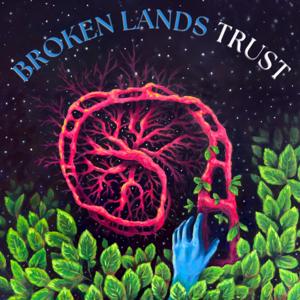


In this premiere episode, we welcome Rev. Dr. Paul Reynolds. He is a Kaupapa Māori Health researcher, an ordained priest in Te Hāhi Mihinare (Anglican Church), and a fledgling Indigenous theologian. He shares what led him to his work and discusses some of the ongoing processes involved in reclaiming cultures, traditions, knowledge, and faith. We also explore some acknowledgments and conversations the Church could engage in to foster pathways of healing and recovery from historical and intergenerational trauma. Cover art by: @clairemakes7
For our Season 2 finale, join us for an in-depth conversation with Marty Two Bulls Jr., who shares his journey as an artist and educator honoring his Lakota heritage while navigating the complexities of the contemporary art world. Marty opens up about the challenges of maintaining cultural integrity and the importance of community-based art initiatives. He offers his perspective on the role of art in healing intergenerational trauma and combating stereotypes, underscoring the transformative power of art in reclaiming narratives and empowering indigenous communities.
This week, we return to our conversation with Chef Sean Sherman, where things get spiritual. We continue our discussion of the brutality of colonization, and in response, think about making our values more human-centered and our food more healthy. Specifically, we hear Chef Sherman discuss the historical trauma that has been handed down from church-sponsored boarding schools to Native Americans, an issue he has been talking about publically for years. Also, as part of this talk, we hear a little bit about what's involved in running a world-class restaurant. We also hear more about the nonprofit side of his work, and his efforts to get Indigenous food into the mouths of young Indigenous people.
Chef Sean Sherman is the owner of the Indigenous restaurant Owamni and the executive director of the nonprofit North American Traditional Indigenous Food Systems (NATIFS). We had the privilege of sitting down to talk with him about the many ways that food can foster stronger Indigenous identity and health. Chef Sherman also tells us about the long, difficult process of gathering knowledge about Indigenous food and how he now tries to make that knowledge accessible to people. He also helps us see how food sovereignty relates to larger issues of colonization and what he terms "eliminationism."
We hear more from Chase Iron Eyes in this episode. He talks about how boarding school survivors in South Dakota don't have legal redress for abuses that occurred over 40 years ago. He also shares his view that churches should be involved in the cultural preservation of Indigenous knowledge systems and languages. He believes that along with this, there is an obligation for churches to evolve their own ways of knowing. He also sees giving land back as a way that churches can participate in reconciliation. We also discuss "Land Back" in a broader sense, and how he views this principle that can be implemented in a variety of ways. He speaks on Israel's relationship with Palestine and the similarities to the United States Government's relationship with the Indigenous population.
Music by: Rick Mickey. Cover art by: Eli Yao @eli_yao_
Chase Iron Eyes recalls the road that took him into studying the law and ultimately into being an activist. He also highlights some key cases that shaped his view of the challenges that Natives face in the U.S. judicial system. Some of these challenges include jury members' prejudice against Native Americans, but also the judges themselves, who in many cases are ignorant of, or disregard, key principles like Indigenous sovereignty or laws like the Indian Child Welfare Act. He also talks about his work as a way of defending a sacred way of living at odds with the corporate and extractive view of the world.
Chief Dwaine Perry of the Ramapough Lunaape Nation joins us to touch on a variety of issues. He shares about how he sees Land Back not as a movement, but as a moral way of viewing the world, and how the stealing of land continues today. He also speaks about his people's collaboration with the Presbyterians in his area that goes back generations. We also hear about his effort to help stage a World Indigenous Folk Dance and Music Festival, which would invite people from all over the world to come together to put on a "global powwow." Chief Perry also shares about his passion for putting together places of learning for our children, how walking can be a form of prayer, and language revitalization efforts. Music by: Rick Mickey. Cover art by: Eli Yao @eli_yao_
We are joined by Sarah Augustine, the co-founder and Executive Director of the Coalition to Dismantle the Doctrine of Discovery. Join us in this vital discussion on this oppressive doctrine and how to build true solidarity. Sarah talks about what led her to this work. She also discusses the ways descendants of settlers and settlers can best support the coalition’s model for cultural and structural change. We look into the systems needing change, the importance of following indigenous leadership, and what fosters real, positive change. Music by: Rick Mickey. Cover art by: Eli Yao @eli_yao_
We continue with the second part of our conversation with Grace Goldtooth (Executive Director of Dakota Wicohan) and Dallas Goldtooth (Actor, Writer, Comedian, Reservation Dogs). Grace shares with us how her community developed a learning space called the Cansayapi Wicoicage Oti (Lower Sioux Intergenerational Cultural Incubator), which provides free educational services for the community. They also talk with us about Dakota language preservation and revitalization efforts. We also learn about the complex and layered history of the Dakota in Minnesota as well as the challenges of living and assuming a leadership role in community.
Grace Goldtooth (Executive Director of Dakota Wicohan) and Dallas Goldtooth (Actor, Writer, Comedian, Reservation Dogs) are siblings with a deep love for one another. Although they have careers in different fields, their rootedness in their Dakota heritage, and their commitment to preserving and celebrating it, deeply informs the work they both do. Grace describes her organization, Dakota Wicohan (which roughly translates to "Dakota Way of Life") as focusing on "revitalizing and sustaining our language as living language and transmitting cultures, lifeways, and teachings on to the next generation." Dallas Gooldtooth, perhaps best known for his role of William Knifeman on Reservation Dogs, was formerly a full-time activist who moved into the space of storytelling recently. He shares his thoughts on his indebtedness to his sister, family, and culture. Music by: Rick Mickey. Cover art by: Eli Yao, Instagram: @eli_yao_
From the publisher's feed