
Sign up to save your podcasts
Or

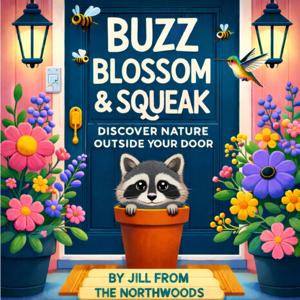


In this episode, I explore one of nature’s most fascinating creatures: the monarch butterfly. These vibrant insects may look delicate, but their story is one of epic journeys, scientific mystery, and ecological importance. From their astonishing migration to their complex metamorphosis, monarchs are much more than just backyard butterflies.
We start by uncovering the monarch’s close relationship with milkweed—a plant that is both their food source and their nursery. Monarch caterpillars eat only milkweed, and the toxins they absorb make them unappetizing to predators. It’s a beautiful example of symbiosis and adaptation that gives monarchs their famous orange warning colors.
Then, we walk through the butterfly’s life cycle—from egg to caterpillar to chrysalis to adult butterfly. I share a fascinating scientific study that shows how monarchs might retain memory even after they turn into goo inside their chrysalises!
The heart of the episode focuses on the monarch’s incredible migration. Every fall, a special generation—called the Methuselah generation—flies all the way from the U.S. and Canada to Mexico, traveling up to 3,000 miles. They don’t reproduce along the way, conserving their energy and extending their lives through a process called reproductive diapause. This generation lives 8–9 months, a true anomaly in the insect world.
The return trip isn’t made by the same butterflies. Instead, several new generations take up the journey in a biological relay race. It's one of nature’s great mysteries how each new generation instinctively knows the path, guided by the sun, magnetic fields, and inherited memory.
We also touch on the threats monarchs face, including habitat loss and the decline of milkweed due to over-mowing and urban expansion. But there’s hope: individuals and communities are stepping up by planting milkweed and preserving wild spaces.
Takeaways:
Monarch butterflies are awe-inspiring creatures that reveal the interconnectedness of ecosystems. Their story is not just a marvel of biology, but a call to action. Whether you're planting a few milkweed seeds or simply choosing not to mow a patch of wildflowers, small actions can have a big impact. By understanding and supporting the monarch, we support biodiversity as a whole.
By choosing to watch this video or listen to this podcast, you acknowledge that you are doing so of your own free will. The content shared here reflects personal experiences and opinions and is intended for informational and inspirational purposes only. I am not a licensed healthcare provider, psychiatrist, or counselor. Any advice or suggestions offered should not be considered a substitute for professional medical or mental health advice. You are solely responsible for any decisions or actions you take based on this content.
https://www.buymeacoffee.com/smallstepspod
Buzz Blossom and Squeak Website https://buzzblossomandsqueak.com/
Twitter - https://twitter.com/schmern
Blog Headquarters at https://abetterlifeinsmallsteps.com/
Email the podcast at mailto: [email protected]
How Parks Become (and Stop Being) National Parks
In this episode, I explore how parks are designated as national parks and the lesser-known reality that they can actually lose that title. From the legislative journey of Yellowstone to the transformation of Mackinac National Park into a state park, this episode uncovers the political, environmental, and cultural forces that shape America’s most treasured lands.
The Process of Becoming a National Park
It all starts with a resource study by the National Park Service to determine a site’s significance and manageability. If it qualifies, Congress gets involved, and the President signs off. But it’s not just about natural beauty—subtle ecosystems like wetlands are just as worthy.
What About National Monuments?
Presidents can create national monuments faster than parks, thanks to the Antiquities Act. While this speeds up protection, it often sidesteps local stakeholders, leading to controversy—especially in areas where grazing or mining is affected.
The Surprising Truth About Park Decommissioning
Parks can be “unmade.” Mackinac National Park is a prime example, downgraded due to military decommissioning and budget cuts. The land is still protected, but under state management, proving that not all parks last forever at the federal level.
Managing Crowds and Costs
Some parks, like Rocky Mountain and Yosemite, are so popular they’ve introduced visitor lotteries. Meanwhile, lesser-known sites like lakeshores and historic battlefields operate on tighter budgets with limited staff. It's a delicate balance of access and preservation.
Politics, Tribes, and Local Resistance
Designation doesn’t always sit well with states or tribes, especially when it affects industries or land rights. States can't veto Congress, but they can lobby hard—sometimes delaying park creation for years.
Key Takeaways:
Creating a national park involves far more than drawing lines on a map. It requires national significance, funding, political support, and often, local compromise. Some parks, like Indiana Dunes, take years to upgrade. Others, like Mackinac, lose status but stay protected. Understanding these dynamics helps us value the system—and the land—more deeply. Whether you're planning your next trip or just curious, there's always something to learn about how these natural treasures come to be and how we can help protect them.
https://buzzblossomandsqueak.com/?p=463
Jill’s Links
By choosing to watch this video or listen to this podcast, you acknowledge that you are doing so of your own free will. The content shared here reflects personal experiences and opinions and is intended for informational and inspirational purposes only. I am not a licensed healthcare provider, psychiatrist, or counselor. Any advice or suggestions offered should not be considered a substitute for professional medical or mental health advice. You are solely responsible for any decisions or actions you take based on this content.
https://www.buymeacoffee.com/smallstepspod
Buzz Blossom and Squeak Website https://buzzblossomandsqueak.com/
Twitter - https://twitter.com/schmern
Blog Headquarters at https://abetterlifeinsmallsteps.com/
Email the podcast at mailto: [email protected]
In this episode, we explore what makes the Great Lakes so much more than just large bodies of water. From their incredible size and geological origins to their ecological richness and historical impact, the Great Lakes play a critical role in shaping life across the Midwest and beyond. I share personal stories, fascinating facts, and ways you can connect more deeply with these natural giants—whether by visiting, reading, or learning more about their unique ecosystems and histories.
Immense Scale and Global Significance
Lake Superior alone is the largest freshwater lake in the world by surface area. Combined, the Great Lakes hold 20% of the world's surface freshwater and are crucial for global water supply and shipping.
Geological Origins and Rock Formations
Most of the Great Lakes are remnants of the Ice Age, carved by glaciers. But Lake Superior stands apart as a volcanic tear in the Earth. The surrounding landscapes include some of the oldest rocks on the planet and unique features like Yooperlite stones.
Historical Importance and Industrial Influence
These lakes have served as key trade routes, sparked industrial booms, and were essential to Indigenous peoples and early settlers alike. Cities like Chicago, Detroit, and Toronto owe much of their growth to the Great Lakes' access and resources.
Recreation and Natural Wonder
Camping on Madeline Island, rock hunting for agates, and even freshwater surfing—there’s no shortage of adventure around the Great Lakes. Their beauty is year-round, and their power is evident in both storms and stillness.
Environmental Challenges and Hopeful Restoration
From zebra mussels to pollution, the Great Lakes face modern challenges. But thanks to cleanup efforts and environmental awareness, many of these lakes, like Lake Erie, are bouncing back.
Takeaways:
I came away from this episode with a renewed appreciation for just how extraordinary the Great Lakes are. They are far more than scenic destinations—they are powerful forces of nature, reservoirs of fresh water, cradles of culture, and engines of economy. Whether it’s through learning, exploring, or simply noticing them on a map, I hope you feel inspired to see the Great Lakes with fresh eyes. And maybe even take a small step toward protecting them.
https://buzzblossomandsqueak.com/?p=459
Jill’s Links
By choosing to watch this video or listen to this podcast, you acknowledge that you are doing so of your own free will. The content shared here reflects personal experiences and opinions and is intended for informational and inspirational purposes only. I am not a licensed healthcare provider, psychiatrist, or counselor. Any advice or suggestions offered should not be considered a substitute for professional medical or mental health advice. You are solely responsible for any decisions or actions you take based on this content.
https://www.buymeacoffee.com/smallstepspod
Buzz Blossom and Squeak Website https://buzzblossomandsqueak.com/
Twitter - https://twitter.com/schmern
Blog Headquarters at https://abetterlifeinsmallsteps.com/
Email the podcast at mailto: [email protected]
In this episode, I take you on a journey beyond Neptune to unravel the mystery and controversy surrounding Pluto. Once hailed as the ninth planet, Pluto's status has undergone dramatic changes that have left many scratching their heads and others raising their voices in protest. From its discovery in 1930 to the stunning revelations of the New Horizons mission, Pluto’s tale is far more compelling than we often give it credit for.
The History of Pluto’s Discovery
I talk about how Pluto was first spotted in 1930, thanks to the work of Clyde Tombaugh and his collaboration with Percival Lowell. It’s fascinating to hear how an 11-year-old girl from England named this faraway world after the Roman god of the underworld.
The Planetary Criteria and the 2006 Demotion
The IAU’s three-point definition of a planet reshaped our understanding of what constitutes one. I walk through these criteria and explain why Pluto, despite its charm and unique features, didn’t make the cut.
Revelations from New Horizons
Launched just before Pluto was demoted, NASA’s New Horizons mission gave us the first close-up look at this icy world in 2015. I highlight the heart-shaped glacier, towering mountains, and the possibility of cryovolcanism—making it clear Pluto is anything but boring.
The Company Pluto Keeps
Pluto isn’t alone in the outer solar system. I introduce other fascinating dwarf planets like Eris, Haumea, Makemake, and Ceres. Each of these has a unique story, and together they challenge what we think we know about planets.
The Bigger Picture
Finally, I reflect on what this debate means for science and public curiosity. Pluto's journey from planet to dwarf planet reminds us that science is always evolving and full of surprises.
Takeaways:
This episode is a celebration of curiosity and discovery. Whether you still consider Pluto a planet or not, one thing is clear—it has captured our imagination. Understanding Pluto and its companions in the Kuiper Belt deepens our appreciation of the complex and ever-changing universe we live in. I encourage listeners to go look at the photos from New Horizons and see this icy, distant world with new eyes.
https://buzzblossomandsqueak.com/?p=453
Jill’s Links
By choosing to watch this video or listen to this podcast, you acknowledge that you are doing so of your own free will. The content shared here reflects personal experiences and opinions and is intended for informational and inspirational purposes only. I am not a licensed healthcare provider, psychiatrist, or counselor. Any advice or suggestions offered should not be considered a substitute for professional medical or mental health advice. You are solely responsible for any decisions or actions you take based on this content.
https://www.buymeacoffee.com/smallstepspod
Buzz Blossom and Squeak Website https://buzzblossomandsqueak.com/
Twitter - https://twitter.com/schmern
Blog Headquarters at https://abetterlifeinsmallsteps.com/
Email the podcast at mailto: [email protected]
In this episode, I take you on a journey through some of the largest and most awe-inspiring trees on Earth. From the towering coastal redwoods of Northern California to the massive sequoias of Yosemite, we explore the beauty, history, and fascinating adaptations of these living giants. I share personal travel experiences, surprising facts about tree biology, and why visiting these natural wonders can be such a transformative experience.
Top Topics:
Coastal Redwoods
I share the unforgettable moment of first seeing these magnificent trees. Standing nearly 380 feet tall, they are the tallest trees on Earth, thriving in the foggy coastal climate with interconnected roots that keep entire groves strong.
Giant Sequoias
These massive trees are record holders in volume, some over 2,000 years old. I discuss their dependence on fire for reproduction and what it feels like to stand beside a tree as big as a building.
Douglas Firs and Sitka Spruces
We explore these lesser-known but equally impressive giants of the Pacific Northwest, from their towering heights to their historical uses in industry and music.
Pando Aspen Grove
An entire forest that’s actually one organism—this clonal colony covers over 100 acres and is thousands of years old.
Takeaways:
Big trees are more than just impressive natural structures—they are symbols of patience, resilience, and community. Their longevity teaches us to take the long view in life, to adapt to challenges, and to value the connections that sustain us. Just as these trees draw strength from their environment and each other, we too can thrive by staying rooted in supportive networks.
https://buzzblossomandsqueak.com/?p=450
https://www.amazon.com/Wild-Trees-Story-Passion-Daring/dp/0812975596
Jill’s Links
By choosing to watch this video or listen to this podcast, you acknowledge that you are doing so of your own free will. The content shared here reflects personal experiences and opinions and is intended for informational and inspirational purposes only. I am not a licensed healthcare provider, psychiatrist, or counselor. Any advice or suggestions offered should not be considered a substitute for professional medical or mental health advice. You are solely responsible for any decisions or actions you take based on this content.
https://www.buymeacoffee.com/smallstepspod
Buzz Blossom and Squeak Website https://buzzblossomandsqueak.com/
Twitter - https://twitter.com/schmern
Blog Headquarters at https://abetterlifeinsmallsteps.com/
Email the podcast at mailto: [email protected]
In this episode, I explore the fascinating ways that local environments shape the weather we experience daily. While most people think of weather as something driven by large systems like cold fronts and jet streams, there are countless small-scale influences that can dramatically shift conditions in your town, your backyard, or even your campsite. From cornfields and beavers to urban heat and volcanic dust, this episode uncovers the hidden factors that contribute to your local forecast.
Lakes That Redirect Storms
I talk about how lakes—especially in regions with many small or large bodies of water—can influence storm paths, weakening systems or splitting them before they reach certain towns. This isn’t just rumor; the science behind water’s heat absorption helps explain it.
Terrain and the Driftless Effect
Rolling hills, bluffs, and valleys create pockets of cool and warm air that interact in complex ways. I share examples of how terrain impacts storm development and even challenge the idea that bluffs can block tornadoes.
Cities and the Urban Heat Island
Concrete, asphalt, and rooftops create hot zones in urban areas, which can intensify storm systems. I discuss how cities like Chicago frequently experience more intense storms due to their built environments—and how rooftop gardens might be part of the solution.
The Truth About Corn Sweat
Yes, it’s real—and it affects weather. During peak growing season, cornfields release massive amounts of water vapor into the air, which boosts humidity and can even help create thunderstorms. I explain how this phenomenon earned its nickname and why it matters during the summer.
Natural and Human Contributions
From forests that cool and moisten the air to beavers that engineer wetlands, nature plays an active role in weather. I also cover how modern technology, like airplanes and wind turbines, adds new variables to local climate. Even volcanic eruptions and Saharan dust clouds affect regional conditions thousands of miles away.
Takeaways:
Weather is far more local than most people realize. Lakes, crops, animals, and even the materials in our cities all contribute to what we experience outside. Understanding these micro-influences helps explain why one town gets rain while the next remains dry—or why a forecasted 90-degree day doesn’t quite reach its peak. Paying attention to the environment around us reveals just how many factors shape the weather beyond what the forecasts show.
https://buzzblossomandsqueak.com/?p=447
Jill’s Links
By choosing to watch this video or listen to this podcast, you acknowledge that you are doing so of your own free will. The content shared here reflects personal experiences and opinions and is intended for informational and inspirational purposes only. I am not a licensed healthcare provider, psychiatrist, or counselor. Any advice or suggestions offered should not be considered a substitute for professional medical or mental health advice. You are solely responsible for any decisions or actions you take based on this content.
https://www.buymeacoffee.com/smallstepspod
Buzz Blossom and Squeak Website https://buzzblossomandsqueak.com/
Twitter - https://twitter.com/schmern
Blog Headquarters at https://abetterlifeinsmallsteps.com/
Email the podcast at mailto: [email protected]
This episode takes listeners on a journey through space to explore the wonders of comets—what they are, how they form, and why they’re worth watching. With a new comet expected to make a close pass in October 2025, this is the perfect time to understand how these icy travelers behave and how to prepare for a once-in-a-lifetime skywatching opportunity. Packed with science, practical tips, and a dose of cosmic wonder, this episode is a guide for anyone curious about the night sky.
Understanding Comets
Comets are more than just streaks of light—they are ancient remnants of the early solar system, composed of rock, dust, and ice. When they approach the sun, they come alive, forming glowing heads and signature tails. This episode breaks down the difference between dust tails and ion tails and why they always point away from the sun.
Where Comets Come From
The conversation explains the origins of comets in two regions: the Kuiper Belt and the Oort Cloud. Short-period comets, like Halley’s, return regularly, while long-period comets from the Oort Cloud can take tens of thousands of years to orbit the sun.
A Look at October 2025’s Visitor
A comet is expected to pass through the solar system in October 2025. While it may be dimmer than 2024’s bright flyby, it could still be visible with binoculars or a phone camera. Observations suggest it might be on an 80,000-year orbit, making this a rare event.
Tips for Comet Watching
Listeners get practical advice on how to spot comets in the night sky. Topics include finding dark sky locations, avoiding moonlight, using astronomy apps like StarWalk 2 or Stellarium, and capturing images using long-exposure phone settings.
Takeaways:
Comets are not only beautiful but also scientifically significant—they carry materials that tell us about the origins of the solar system. Watching one doesn’t require expensive equipment, just a clear view, the right timing, and a bit of planning. The upcoming October 2025 comet may not be the brightest, but it’s a chance to witness a cosmic traveler that won’t return for millennia. It's a reminder to look up, stay curious, and appreciate the ever-changing night sky.
https://buzzblossomandsqueak.com/?p=443
Jill’s Links
https://buzzblossomandsqueak.com/?p=423
https://www.buymeacoffee.com/smallstepspod
Buzz Blossom and Squeak Website https://buzzblossomandsqueak.com/
Twitter - https://twitter.com/schmern
Blog Headquarters at https://abetterlifeinsmallsteps.com/
Email the podcast at mailto: [email protected]
This episode explores the value and practical benefits of composting. From reducing household waste to enriching the soil naturally, composting is a simple yet powerful way to participate in the earth’s natural cycles. Whether done in a backyard, on a balcony, or under the kitchen sink, composting brings ecological mindfulness into daily life.
Top Topics:
Why Composting Matters
Composting can divert up to 30% of what typically ends up in landfills. This process not only reduces waste but also prevents nutrient loss and supports healthier soil ecosystems without synthetic fertilizers.
Different Methods for Every Lifestyle
Composting isn’t just for gardeners. Options include backyard bins, tumblers, worm bins, and even countertop electric composters. Each method suits different spaces, budgets, and preferences—making it easy to find a setup that works.
Understanding Greens and Browns
Success in composting depends on the right mix of “greens” (food scraps, coffee grounds, fresh grass) and “browns” (leaves, paper, straw). A 2:1 ratio of browns to greens is ideal for creating odor-free, efficient compost.
What to Include and Avoid
Good composting includes fruit peels, cardboard, dead houseplants, and even dryer lint from natural fibers. Avoid meat, dairy, or seedy weeds, which can cause problems like pests or unwanted sprouting.
Takeaways:
Composting is more than a waste solution—it’s a meaningful contribution to sustainability. It enriches the soil, reduces the need for chemical fertilizers, and aligns daily habits with the natural cycles of decay and renewal. Even small efforts can yield big environmental rewards, showing that even in decomposition, there is purpose and potential.
https://buzzblossomandsqueak.com/?p=440
Jill’s Links
https://buzzblossomandsqueak.com/?p=423
https://www.buymeacoffee.com/smallstepspod
Buzz Blossom and Squeak Website https://buzzblossomandsqueak.com/
Twitter - https://twitter.com/schmern
Blog Headquarters at https://abetterlifeinsmallsteps.com/
Email the podcast at mailto: [email protected]
69 - Discovering the Wetlands Around Us
In this episode, I explore one of the most underrated landscapes in nature: wetlands. At first, marshes, swamps, bogs, and fens might seem like little more than muddy backwaters. But once you learn what makes each of them unique, you start to see these places for what they truly are—diverse, beautiful, and vital ecosystems.
I start by reflecting on my own experience growing up in the Northwoods surrounded by forests and lakes. Wetlands weren’t something I paid much attention to—until I started spending time in them. Now they’ve become some of my favorite places to visit. With a mix of storytelling and science, I break down the key differences between marshes, swamps, bogs, and fens, and share why they matter more than we might think.
Marshes
Open and grassy, marshes are full of reeds, cattails, and shallow water. They’re often sunny and are home to unique birds like marsh wrens, red-winged blackbirds, and bitterns. I share some of my recent birdwatching adventures, including a surprise encounter with a nighthawk and sightings of muskrats and pelicans in quiet, hidden spots.
Swamps
Swamps are the tree-filled wetlands, where bald cypress trees grow in standing water. I talk about the earthy scent of swamp water, explain the difference between forested and shrub swamps, and recount a funny and startling story involving an alligator and a golf course in Florida. Swamps are rich in wildlife and serve as coastal storm barriers when they take the form of mangroves.
Bogs
These sponge-like, rain-fed ecosystems are acidic and nutrient-poor. I explain how mosses like sphagnum thrive here and how bog plants get creative—some even catch insects to survive. Bogs may seem eerie, but they’re home to some of the most interesting adaptations in the plant world.
Fens
Fens are the colorful, rare cousins of bogs. Fed by groundwater, they support sedges, wildflowers, and butterflies. They’re fragile and beautiful, and in some ways feel like something out of a fairytale.
Takeaways
Wetlands do far more than just sit there and look muddy. They filter water, store carbon, reduce flooding, and provide essential habitat for wildlife. Understanding the differences between marshes, swamps, bogs, and fens helps us appreciate how diverse and valuable these ecosystems really are.
The next time you’re out in nature, take a second look at that soggy patch of land. It might be hiding a whole world you never knew existed.
https://buzzblossomandsqueak.com/?p=436
Jill’s Links
https://buzzblossomandsqueak.com/?p=423
https://www.buymeacoffee.com/smallstepspod
Buzz Blossom and Squeak Website https://buzzblossomandsqueak.com/
Twitter - https://twitter.com/schmern
Blog Headquarters at https://abetterlifeinsmallsteps.com/
Email the podcast at mailto: [email protected]
68 - Backyard Ants: What’s Really Going On Under Your Feet?
This episode takes a closer look at the bustling and complex world of backyard ants. Sparked by a simple camping observation, the episode explores how ants live, work, and organize within their miniature societies. Listeners are guided through fascinating insights about ant behavior, structure, and the critical roles they play in the environment.
Top Topics Covered:
Colony Structure: Ant colonies are highly organized with specific roles for queens, workers, and males. Each caste has a distinct purpose, contributing to the survival and success of the colony.
Communication: Ants communicate using chemical signals called pheromones, as well as tactile and occasional auditory cues. These methods help them coordinate foraging, defense, and even relocation efforts.
Common Backyard Species: From odorous house ants to field ants and pavement ants, the episode covers how to identify different species commonly found in gardens, sidewalks, and even homes.
Extraordinary Ant Behaviors: The episode highlights behaviors like aphid farming, decision-making by consensus, and survival strategies like forming living bridges. These examples underscore the decentralized intelligence of ant communities.
Takeaways:
Understanding ants enhances appreciation for the complexity of nature. These tiny creatures demonstrate the power of cooperation, adaptability, and environmental sensitivity. Observing them more closely reveals not only their unique traits but also the health and balance of backyard ecosystems. With a bit of curiosity, anyone can begin to see their surroundings in a new light, guided by the quiet, purposeful world of ants.
https://buzzblossomandsqueak.com/?p=432
Jill’s Links
https://buzzblossomandsqueak.com/?p=423
https://www.buymeacoffee.com/smallstepspod
Buzz Blossom and Squeak Website https://buzzblossomandsqueak.com/
Twitter - https://twitter.com/schmern
Blog Headquarters at https://abetterlifeinsmallsteps.com/
Email the podcast at mailto: [email protected]
From the publisher's feed