
Sign up to save your podcasts
Or

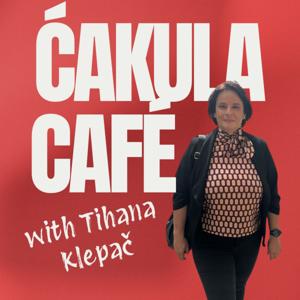


People write in from Canada, Australia and America, and the same sentence comes up again and again: my parents spoke Croatian to each other, and English to me, and I don't know why.
This episode of Ćakula Café answers that question. It goes back to the sixties and seventies, to a shop where people laughed when someone spoke with a foreign accent, and to a conversation with a teacher who gave parents advice we now know was wrong.
This isn't a story about guilt, but about a decision made with fear and with love. And about why people who grew up that way aren't starting from zero.
Slower, clearer Croatian for A2 learners — an episode on heritage language loss and raising bilingual children in Croatian, for diaspora Croatians and heritage speakers still wondering why their parents made that choice.
Key vocabulary:
odluka (OD-loo-ka) decision. Donijeti odluku is to make one
savjet (SAV-yet) advice; in this story, the wrong kind
zaostati (za-OS-ta-tee) to fall behind; the word that frightened a generation of parents
zaštita (ZASH-tee-ta) protection; what they believed they were giving
naglasak (NA-gla-sak) accent; the thing they did not want you to carry
prepoznati (preh-POZ-na-tee) to recognise; what your ear does before you can explain it
uho (OO-hoh) ear; the advantage you have and did not ask for
nestati (NES-ta-tee) to disappear; the language did not
djetinjstvo (dyeh-TEEN-ystvoh) childhood; where it is still lying quietly
prekasno (preh-KAS-noh) too late; it is not
How to use this episode: Listen on Spotify with subtitles on. Find your key words. Look those up. Not every word. Just the key ones. Then listen again. Each time you will understand a little more.
Free masterclass: talktimecro.com/free-masterclass
Instagram: @talktimecro
Substack: talktimecroatian.substack.com
Learn Croatian With a Cultural Twist.
In Croatia, they call you American, or Australian, or Švabo. Where you live, you are Croatian.
This final episode in the series is about what it's like to stand between two countries and never be quite at home in either one, and why the sentence I'm not from here or from there doesn't have to mean something is missing.
It also talks about one moment people remember for the rest of their lives: when they speak up in a shop, and the person in front of them doesn't pause, doesn't ask where they're from, and doesn't switch to English. That moment lasts three seconds.
Slower, clearer Croatian for A2 learners — an episode on Croatian diaspora identity and belonging between two countries, for heritage speakers and diaspora Croatians who know exactly what that pause feels like.
Key vocabulary:
dijaspora (dee-YAS-poh-ra) the diaspora; the people, not the idea
stranac (STRA-nats) foreigner, outsider; the role you play in two countries at once
naglasak (NA-gla-sak) accent; heard in the first sentence, and that is all right
pripadati (pree-PA-da-tee) to belong
domovina (doh-moh-VEE-na) homeland; heavier than the English word, and not the same as a country
putovnica (poo-TOV-nee-tsa) passport; useful, and not enough
objašnjavati (ob-yash-NYA-va-tee) to keep explaining; the tiring part
spajati (SPA-ya-tee) to join, to connect two things
oboje (OH-boh-yeh) both; what you know and others do not
izabrati (ee-ZA-bra-tee) to choose; you do not have to
How to use this episode: Listen on Spotify with subtitles on. Find your key words. Look those up. Not every word. Just the key ones. Then listen again. Each time you will understand a little more.
Free masterclass: talktimecro.com/free-masterclass
Instagram: @talktimecro
Substack: talktimecroatian.substack.com
Learn Croatian With a Cultural Twist.
A box stands at the post office. Brown paper, thick tape, the address written in capital letters. For many Croatian families, paket was the most important word of the year.
This episode of Ćakula Café opens both boxes: the one that came from Germany, America and Australia, with coffee, sneakers and money tucked into a jacket pocket, and the one that went back, with rakija, pršut and a letter in which no one wrote about feelings.
And it asks why homes in Australia and Canada still keep a tablecloth that is never used and a bottle that has never been opened.
Slower, clearer Croatian for A2 learners — a Croatian emigration history podcast built around the Croatian diaspora care package, for heritage speakers and diaspora Croatians who remember waiting for that box.
Key vocabulary:
paket (PA-ket) parcel; for years, the most important word in the family calendar
pošta (POSH-ta) post office, and the post itself
poslati (POH-sla-tee) to send; perfective. Slati is the everyday, repeated version
primiti (PREE-mee-tee) to receive, and also to take someone into your house
zamotati (za-MOH-ta-tee) to wrap up; what you do to a bottle before it crosses an ocean
pismo (PEES-moh) letter; short, factual, and full of everything it did not say
nedostajati (neh-dos-TA-ya-tee) to be missing. Nedostaješ nam means we miss you
vrijednost (VRYEHD-nost) value; the parcel had little of it and carried everything
čuvati (CHOO-va-tee) to keep, to guard; why nobody throws the tablecloth away
sjećati se (SYEH-cha-tee seh) to remember; takes the genitive, sjećamo te se
How to use this episode: Listen on Spotify with subtitles on. Find your key words. Look those up. Not every word. Just the key ones. Then listen again. Each time you will understand a little more.
Free masterclass: talktimecro.com/free-masterclass
Instagram: @talktimecro
Substack: talktimecroatian.substack.com
Learn Croatian With a Cultural Twist.
A twenty-two-year-old man stands in line with papers in his hand. The clerk asks his name. He says Ivan. The clerk writes John.
This episode of Ćakula Café is about the names that were left at the border, about the letters č, ć, š, ž and đ that didn't exist on old typewriters, and about why so many people changed their own names simply because they were tired of explaining.
And then about the grandchildren who, thirty years later, are bringing the little hooks back.
Slower, clearer Croatian for A2 learners — a look at Croatian name anglicization and Croatian pronunciation diacritics for heritage speakers and diaspora Croatians relearning how their own surname was meant to sound. The episode includes a short pronunciation exercise, so you can say your surname out loud the way it was spoken in your grandfather's house.
Key vocabulary:
ime (EE-meh) first name
prezime (PREH-zee-meh) surname; the one people keep spelling wrong
slovo (SLOH-voh) letter of the alphabet. Slova in the plural
kvačica (KVA-chee-tsa) the little hook over č, ž and š; the thing that got dropped
izgovoriti (eez-goh-VOH-ree-tee) to pronounce
promijeniti (proh-MYEH-nee-tee) to change
službenik (sloozh-BEH-neek) official, clerk; the man with the pen at the border
razlikovati se (raz-lee-KOH-va-tee seh) to be different from others; what a child does not want
objašnjavati (ob-yash-NYA-va-tee) to keep explaining; the tiredness that changed names
vratiti (VRA-tee-tee) to give back, to return; what the grandchildren are doing
How to use this episode: Listen on Spotify with subtitles on. Find your key words. Look those up. Not every word. Just the key ones. Then listen again. Each time you will understand a little more.
Free masterclass: talktimecro.com/free-masterclass
Instagram: @talktimecro
Substack: talktimecroatian.substack.com
Learn Croatian With a Cultural Twist.
A seven-year-old girl stands in front of the mirror, and her mother says the four words every Croatian child hears: what will people say. No one ever explains who these people are, but everyone knows they exist.
This episode of Ćakula Café follows that question from a house painted only at the front, through the old word obraz, and small towns where a good name was once a matter of life, all the way to Croatian clubs in Melbourne and Toronto, where the same eyes still watch today.
And to one place where that same sentence still keeps you silent now: when you want to speak Croatian out loud.
Slower, clearer Croatian for A2 learners — a look at Croatian shame culture and Croatian village life for heritage speakers and diaspora Croatians who grew up with the same watching eyes.
Key vocabulary:
ljudi (LYOO-dee) people; in this sentence, everyone and no one in particular
sramota (srah-MOH-ta) shame, disgrace; a heavier and more social word than the English one
obraz (OH-braz) cheek, and also honour. To be bez obraza is close to unforgivable
dobar glas (DOH-bar GLAS) a good name, literally a good voice; what a family had to keep
susjeda (soos-YEH-da) the woman next door; in a small place, an institution
šutjeti (SHOO-tyeh-tee) to stay silent; what people do so that nobody hears
briga (BREE-ga) care, worry; the warm side of the same watching
mišljenje (MEESH-lyeh-nyeh) opinion; the thing your mother still weighs
pogriješiti (poh-GREE-yeh-shee-tee) to make a mistake; the fear that keeps a mouth closed
naglasak (NA-gla-sak) accent; yours will be heard, and that is fine
How to use this episode: Listen on Spotify with subtitles on. Find your key words. Look those up. Not every word. Just the key ones. Then listen again. Each time you will understand a little more.
Free masterclass: talktimecro.com/free-masterclass
Instagram: @talktimecro
Substack: talktimecroatian.substack.com
Learn Croatian With a Cultural Twist.
In a small Croatian town, a name is not enough. Someone looks at you, hears your surname, nods, and then asks the real question: and whose are you?
This episode of Ćakula Café explains a system where houses have names older than surnames, where a person is not just a person but a continuation, and where a stranger turns into someone who belongs in three seconds.
It also talks about a moment many in the diaspora know well: standing in the land of your own family and not knowing the answer.
Slower, clearer Croatian for A2 learners — a Croatian genealogy podcast for heritage speakers and diaspora Croatians curious about Croatian family names and where they come from. At the end of the episode, you get three questions you can ask someone older tonight.
Key vocabulary:
čiji (CHEE-yee) whose. Čiji si ti is not about your name, it is about your people
prezime (PREH-zee-meh) surname; in one village, often shared by thirty houses
nadimak (NA-dee-mak) nickname; here, the name of a house, older than the surname
unuk (OO-nook) grandson. Unuka for granddaughter
pradjed (PRA-dyed) great-grandfather; the man whose name you may not know
rod (ROD) kin, lineage; the family line rather than the household
naslijediti (na-SLYEH-dee-tee) to inherit; the good and the rest of it
pošten (POSH-ten) honest, decent; the highest thing said about a man in a village
stranac (STRA-nats) stranger, foreigner; what you stop being when you answer
pamtiti (PAM-tee-tee) to remember, to hold in memory over a long time
How to use this episode: Listen on Spotify with subtitles on. Find your key words. Look those up. Not every word. Just the key ones. Then listen again. Each time you will understand a little more.
Free masterclass: talktimecro.com/free-masterclass Instagram: @talktimecro
Substack: talktimecroatian.substack.com
Learn Croatian With a Cultural Twist.
The car is packed to the roof, it's four in the morning, the street in Germany is empty. Two days later, in a village that has twenty people in February, there are three hundred.
This episode of Ćakula Café follows the drive that generations of Croatian families make every August: the border, the warm air coming in through the window, the grandmother crying at the door, the relatives who call you German, and the last day, when the car is heavier than when it arrived.
Slower, clearer Croatian for A2 learners. Perfect for anyone who grew up making the August drive back to a Croatian summer village — Gastarbeiter families, heritage speakers, diaspora Croatians who want real language about real things.
Key vocabulary: kolovoz, granica, tablice, rođak, porasti, posjet, uvrijediti se, mahati, prtljaga, vraćati se
kolovoz (KOH-loh-voz) August; the only month in the diaspora calendar that counts twice
granica (GRA-nee-tsa) border; where the waiting happened
tablice (TAB-lee-tseh) number plates; in August the village reads like a map of Europe
rođak (ROH-jak) relative, cousin. Rođakinja for a woman
porasti (POH-ras-tee) to grow. Kako su djeca porasla is said at every gate
posjet (POS-yet) a visit; there is no such thing as only one
uvrijediti se (oo-VRYEH-dee-tee seh) to take offence; the reason you must call on everyone
mahati (MA-ha-tee) to wave
prtljaga (PURT-lya-ga) luggage
vraćati se (VRA-cha-tee seh) to be coming back; the question in every kitchen
How to use this episode: Listen on Spotify with subtitles on. Find your key words. Look those up. Not every word. Just the key ones. Then listen again. Each time you will understand a little more.
For everyone who knows how a grandmother stands on the road and doesn't wave until the car has turned the corner.
Free masterclass: talktimecro.com/free-masterclass Instagram: @talktimecro
Substack: talktimecroatian.substack.com
Learn Croatian With a Cultural Twist.
The phone rings on a Tuesday evening. We're coming on Sunday, says the voice on the other end, but don't prepare anything. No one means it, and everyone still knows their lines by heart.
This episode of Ćakula Café follows one Croatian visit from start to finish: from that sentence on the phone to the bag of pastries the hostess presses into your hands at the door. And it asks why food is never refused in a Croatian home.
Behind the hospitality stands a history where people didn't always have enough, and one quiet question that outlives it: what will people say.
Slower, clearer Croatian for A2 learners. Perfect for heritage speakers and diaspora Croatians who want real language about real things.
Key vocabulary: gost, domaćica, spremati, praznih ruku, sram, sitnica, sit, ponuditi, gostoprimstvo, ponesi
How to use this episode: Listen on Spotify with subtitles on. Find your key words. Look those up. Not every word. Just the key ones. Then listen again. Each time you will understand a little more.
Free masterclass: talktimecro.com/free-masterclass
Instagram: @talktimecro
Substack: https://talktimecroatian.substack.com/
Learn Croatian With a Cultural Twist.
There is a sentence millions of Croatian children heard at the kitchen table. In Canada. In America. In Australia. Their parents said it after long shifts, in a language they were still learning themselves.
You have to be twice as good as them.
This episode asks why. And discovers that the same feeling doesn't only live in diaspora families. It lives in Croatia itself. In a country of four million people that has spent its entire history proving it has the right to exist.
Slower, clearer Croatian for A2 learners. Perfect for heritage speakers and diaspora Croatians who want real language about real things.
Key vocabulary: dijaspora, dokazati se, žrtva, krivnja, ponos, domovina, naglasak, prezime, argument, sloboda
How to use this episode: Listen on Spotify with subtitles on. Find your key words. Look those up. Not every word. Just the key ones. Then listen again. Each time you will understand a little more.
Free masterclass: talktimecro.com/free-masterclass
Instagram: @talktimecro
Substack: talktimecroatian.substack.com
Learn Croatian With a Cultural Twist.
Was the last episode too hard? Good. That means it was working.
This short episode teaches you exactly how to use Ćakula Café to improve your Croatian — even when the vocabulary feels difficult. How to use Spotify subtitles. Which words to look up and which to ignore. Why listening three, four, five times is not failure. It is the method.
Croatian language teacher Tihana Klepač shares the same advice she gives her paying students — for free, right here.
Slower, clearer Croatian for A2 learners. Heritage speakers and diaspora Croatians welcome.
Key vocabulary: ključna riječ, bilježnica, rječnik, titlovi, ponavljanje
Free masterclass: talktimecro.com/free-masterclass
Instagram: @talktimecro
Substack: talktimecroatian.substack.com
Learn Croatian With a Cultural Twist.
From the publisher's feed