
Sign up to save your podcasts
Or



In this episode we discuss the ground-breaking work of one group of humanitarians determined to act early, before disasters happen. We follow the story of Forecast-based Financing (FBF) - a term that was coined at an Oktoberfest in 2012 - that eventually changes how the humanitarian world approaches disasters. Ten years ago humanitarian action meant responding to disasters, but now forecasts can be used to anticipate a potential disaster and act early to reduce its impacts. The episode follows the evolution of FBF from the first pilot projects in Uganda and Peru, to the current system which is supported by the government in Mongolia and Mongolia Red Cross.
Dr. Thorsten Klose-Zuber of the German Red Cross tells us how FBF filled a major gap in available financing for anticipatory action. Dr. Liz Stephens shares how FBF presented a novel opportunity to directly apply forecasting science to save lives and what she learned in the process. Dr. Meghan Bailey talks about why the Mongolia FBF project is a model for the future of FBF.
This podcast is written, edited and hosted by Roop Singh. Voices featured in this podcast include Dr. Thorsten Klose-Zuber, German Red Cross, Dr. Elisabeth Stephens, University of Reading and Science for Humanitarian Emergencies and Resilience (SHEAR), and Dr. Meghan Bailey, Red Cross Red Crescent Climate Centre.
References and Supplemental Materials:
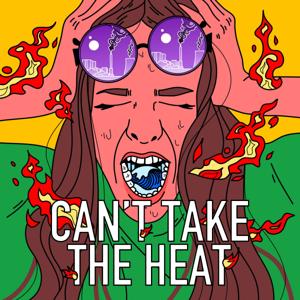
The intro music is Welcome to the Show, and the background music is Beauty Flow, both by Kevin MacLeod and is used under a creative commons license. The podcast art is by Melinda.
You can listen to the episode by clicking the “play” button in the audio player above or downloading it through your favorite podcast platform. If you are new to podcasts, learn how to listen.
Contact us at [email protected]
Follow us on Twitter: @heat_podcast
In our pilot episode we are discussing heatwaves! Heatwaves are surprisingly deadly, killing thousands of people every year... that we know of. There are probably many more deaths that aren’t counted, especially in places where it's hot all year.
The science is also clear: heatwaves are already getting worse because of climate change. But, it’s not all doom and gloom. We can forecast heatwaves days or weeks in advance and take action to reduce the risk of death or illness. Most importantly such actions are simple and cost-effective so we can start today!
Here are three things you can do right now to save lives during a heatwave:
This podcast is written, edited and hosted by Roop Singh. Voices featured in this podcast include Julie Arrighi, Red Cross Red Crescent Climate Centre and American Red Cross, Dr. Erin Coughlan de Perez, Red Cross Red Crescent Climate Centre, Dr. Vincent Luo, Science for Humanitarian Emergencies and Resilience (SHEAR) and the University of Reading, and Bithika Biwas, World Food Programme.
The intro music is Welcome to the Show, and the background music is Beauty Flow, both by Kevin MacLeod and is used under a creative commons license. The podcast art is by Melinda.
You can listen to the episode by clicking the “play” button in the audio player above or downloading it through your favorite podcast platform. If you are new to podcasts, learn how to listen.
References and Supplemental Materials:
Contact us at [email protected].
From the publisher's feed
The 'Can't Take the Heat' podcast explored how people adapt to a warming world. The podcast ran from June 2020 - May 2023 and has now ended. Host Roop Singh approached the biggest challenges posed…