
Sign up to save your podcasts
Or

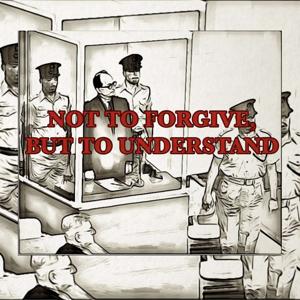

We spoke with Catherine Filloux, an award-winning French Algerian American playwright and librettist whose work has engaged human rights, war, and mass atrocity for more than three decades. Her plays and operas have been produced internationally, including in New York, Bosnia, and Cambodia, and she has written extensively about genocide, post-conflict memory, and the moral responsibilities of law and witness.
In this conversation, we focus on her play Lemkin’s House, a surreal and deeply human exploration of Raphael Lemkin in the afterlife. We discuss the invention and political life of the word genocide, the tension between law and realpolitik, the burden of “never again,” and how theater can illuminate memory, survivor’s guilt, and moral responsibility without reducing them to simple messages.
Catherine reflects on staging genocide for a broad public, on the role of women in conflict narratives, and on how art can function not as instruction, but as a prism through which audiences confront complexity for themselves.
00:00 — Opening and Introduction
02:22 — Catherine Filloux’s Background and What Drew Her to Writing About Genocide
07:15 — How Do You Portray Lemkin’s Complexity for a Broad Public Audience?
17:31 — How Does the Play Expose the Legal and Political Controversies Surrounding the Word “Genocide”?
23:36 — How Does Lemkin’s House Weave Law, “Never Again,” and the Tension Between Memory and Forgetting?
29:21 — Is Lemkin a Hero or a Political Instrument? Humanizing Law, Power, and Realpolitik
36:40 — Why Include Dark Humor, Like the Termites Scene, in a Play About Genocide?
39:28 — When Suffering Competes: What Does the Play Suggest About Comparative Victimhood?
42:21 — How Do You End a Play Set in the Afterlife of Raphael Lemkin?
 View all episodes
 By Sabah Carrim and Luis Gonzalez-Aponte
We spoke with Catherine Filloux, an award-winning French Algerian American playwright and librettist whose work has engaged human rights, war, and mass atrocity for more than three decades. Her plays and operas have been produced internationally, including in New York, Bosnia, and Cambodia, and she has written extensively about genocide, post-conflict memory, and the moral responsibilities of law and witness.
In this conversation, we focus on her play Lemkin’s House, a surreal and deeply human exploration of Raphael Lemkin in the afterlife. We discuss the invention and political life of the word genocide, the tension between law and realpolitik, the burden of “never again,” and how theater can illuminate memory, survivor’s guilt, and moral responsibility without reducing them to simple messages.
Catherine reflects on staging genocide for a broad public, on the role of women in conflict narratives, and on how art can function not as instruction, but as a prism through which audiences confront complexity for themselves.
00:00 — Opening and Introduction
02:22 — Catherine Filloux’s Background and What Drew Her to Writing About Genocide
07:15 — How Do You Portray Lemkin’s Complexity for a Broad Public Audience?
17:31 — How Does the Play Expose the Legal and Political Controversies Surrounding the Word “Genocide”?
23:36 — How Does Lemkin’s House Weave Law, “Never Again,” and the Tension Between Memory and Forgetting?
29:21 — Is Lemkin a Hero or a Political Instrument? Humanizing Law, Power, and Realpolitik
36:40 — Why Include Dark Humor, Like the Termites Scene, in a Play About Genocide?
39:28 — When Suffering Competes: What Does the Play Suggest About Comparative Victimhood?
42:21 — How Do You End a Play Set in the Afterlife of Raphael Lemkin?