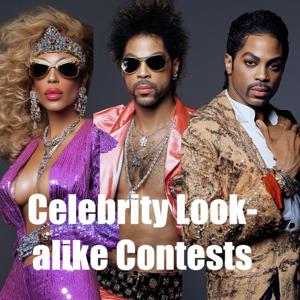
Celebrity Look-alike Contests

Celebrity Look-alike Contests

Download on the App Store

Celebrity Look-alike Contests episodes

  • 2024 resurgence
    In 2024, celebrity look-alike contests made a dramatic and unexpected comeback, capturing the imagination of fans worldwide. While the phenomenon has historical roots stretching back over a century, its recent resurgence signals more than just a fascination with doppelgängers. In an era dominated by social media, viral trends, and the democratization of celebrity culture, these contests have evolved into events that blend humor, artistry, and a celebration of individuality. This article explores the factors behind the resurgence, iconic events that defined the trend, and the broader implications for fame, identity, and cultural connection in the digital age. The concept of look-alike contests has been part of celebrity culture since the early 20th century, when Hollywood first ignited widespread adoration of stars. In the 1920s, movie theaters organized local contests to promote films, inviting participants to emulate stars like Charlie Chaplin, Greta Garbo, and Clark Gable. Winners were often celebrated in local newspapers, earning prizes and a fleeting brush with fame. These contests served as both a testament to the public's admiration for celebrities and a clever marketing tactic for the burgeoning film industry. By the mid-20th century, the advent of television brought these contests to a broader audience. Shows like The Original Amateur Hour and Stars in Their Eyes gave contestants national platforms to display their uncanny resemblances and impersonation talents. In the late 20th century, celebrity impersonators became staples of variety shows and entertainment venues, cementing look-alike contests as a popular, if niche, form of entertainment. In recent decades, the internet and social media reshaped the way these contests were organized and consumed. Viral videos and trending hashtags brought a new level of visibility to look-alike culture, with everyday individuals gaining millions of views for their uncanny resemblance to celebrities. However, despite this digital presence, in-person contests had largely faded from prominence—until 2024. The resurgence of celebrity look-alike contests in 2024 was catalyzed by a confluence of factors. Chief among them was the power of social media platforms like TikTok, Instagram, and Twitter, where users amplified events through viral hashtags, live streams, and video snippets. The trend began with a Timothée Chalamet look-alike contest in New York City, organized by YouTuber Anthony Po, which drew thousands of participants and spectators. Chalamet’s surprise appearance at the event electrified fans and propelled the trend into the spotlight. Within weeks, the concept had snowballed, with similar events springing up in cities around the world. Fans of Paul Mescal, Zendaya, Harry Styles, and Jeremy Allen White flocked to public parks, malls, and theaters to celebrate their favorite stars by competing in look-alike contests. Each event brought its own unique flavor, often reflecting the personality and s
    This content was created in partnership and with the help of Artificial Intelligence AI.

    19 min
  • Celebrity Look Alikes
    In a dimly lit ballroom at the Riviera Hotel in Las Vegas, dozens of sequined jumpsuits catch the stage lights as Elvis impersonators warm up their hip swivels and practice their signature lip curls. Down the hall, Marilyn Monroe adjusts her platinum wig while Michael Jackson practices his moonwalk in front of a mirror. This isn't a fever dream or a time warp—it's just another day in the world of professional celebrity look-alike contests, where ordinary people transform themselves into extraordinary facsimiles of famous figures. The phenomenon of celebrity impersonation has roots stretching back to the early days of entertainment. In the 1920s, Charlie Chaplin look-alike contests emerged as a popular form of entertainment, with theaters across America hosting competitions to find the best "Little Tramp" imitator. These contests marked the beginning of organized celebrity impersonation as public entertainment, but no one could have predicted how the industry would evolve over the next century. The true catalyst for the modern look-alike industry came with the rise of Elvis Presley. The first documented Elvis impersonator, Carl "Cheesie" Nelson, began performing in 1954 shortly after Elvis's first recordings hit the airwaves. What started as a trickle soon became a flood—by 2000, there were an estimated 85,000 Elvis impersonators worldwide, a number that continues to grow despite the decades since his passing. The Elvis phenomenon proved that celebrity impersonation could be more than just a novelty; it could be a legitimate career path. Today's celebrity look-alike industry has evolved into a sophisticated entertainment sector. Professional look-alikes can earn substantial incomes through corporate events, private parties, advertising campaigns, and regular performances in entertainment hubs like Las Vegas and Atlantic City. The most successful impersonators often command fees ranging from $500 to several thousand dollars per appearance, with some top-tier performers earning six-figure annual incomes. Major talent agencies now specialize exclusively in celebrity look-alikes, maintaining rosters of performers who embody both current and classic celebrities. These agencies operate with strict quality standards, requiring their talent to not only look the part but also master their chosen celebrity's mannerisms, vocal patterns, and signature movements. The best agencies function as gatekeepers of quality, ensuring that clients receive performers who can truly deliver the illusion of meeting their favorite stars. The competition circuit itself operates on multiple levels, from amateur contests at county fairs to prestigious international events that attract participants from around the globe. The annual Sunburst Convention of Celebrity Tribute Artists, considered the industry's premier event, offers substantial prize money and the potential for lucrative booking contracts. These high-stakes competitions have raised the bar for what constitutes a qual
    This content was created in partnership and with the help of Artificial Intelligence AI.
    23 min

About Celebrity Look-alike Contests

From the publisher's feed

In a dimly lit ballroom at the Riviera Hotel in Las Vegas, dozens of sequined jumpsuits catch the stage lights as Elvis impersonators warm up their hip swivels and practice their signature lip curls. Down the hall, Marilyn Monroe adjusts her platinum wig while Michael Jackson practices his moonwalk in front of a mirror. This isn't a fever dream or a time warp—it's just another day in the world of professional celebrity look-alike contests, where ordinary people transform themselves into extraordinary facsimiles of famous figures. The phenomenon of celebrity impersonation has roots stretching back to the early days of entertainment. In the 1920s, Charlie Chaplin look-alike contests emerged as a popular form of entertainment, with theaters across America hosting competitions to find the best "Little Tramp" imitator. These contests marked the beginning of organized celebrity impersonation as public entertainment, but no one could have predicted how the industry would evolve over the next century. The true catalyst for the modern look-alike industry came with the rise of Elvis Presley. The first documented Elvis impersonator, Carl "Cheesie" Nelson, began performing in 1954 shortly after Elvis's first recordings hit the airwaves. What started as a trickle soon became a flood—by 2000, there were an estimated 85,000 Elvis impersonators worldwide, a number that continues to grow despite the decades since his passing. The Elvis phenomenon proved that celebrity impersonation could be more than just a novelty; it could be a legitimate career path. Today's celebrity look-alike industry has evolved into a sophisticated entertainment sector. Professional look-alikes can earn substantial incomes through corporate events, private parties, advertising campaigns, and regular performances in entertainment hubs like Las Vegas and Atlantic City. The most successful impersonators often command fees ranging from $500 to several thousand dollars per appearance, with some top-tier performers earning six-figure annual incomes. Major talent agencies now specialize exclusively in celebrity look-alikes, maintaining rosters of performers who embody both current and classic celebrities. These agencies operate with strict quality standards, requiring their talent to not only look the part but also master their chosen celebrity's mannerisms, vocal patterns, and signature movements. The best agencies function as gatekeepers of quality, ensuring that clients receive performers who can truly deliver the illusion of meeting their favorite stars. The competition circuit itself operates on multiple levels, from amateur contests at county fairs to prestigious international events that attract participants from around the globe. The annual Sunburst Convention of Celebrity Tribute Artists, considered the industry's premier event, offers substantial prize money and the potential for lucrative booking contracts. These high-stakes competitions have raised the bar for what constitutes a qual