
Sign up to save your podcasts
Or

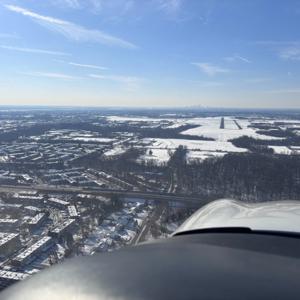


An aviation training story about how skipping Preparation derails the FAA’s PPAR teaching framework, turning a routine steep-turn lesson into cockpit chaos. The hosts break down the dangers of premature application, sensory overload, and dishonest self-assessment in flight instruction.
Show Notes
This episode digs into how a seemingly simple dropped chart can become a dangerous low-altitude stall trap, and why NTSB data shows most stall/spin accidents happen during takeoff and landing. It also explores how flight instructors use artificial distractions, and how the Sterile Cockpit Rule keeps pilots focused when the margin for error is razor-thin.
Show Notes
This episode breaks down the FAA’s CAP framework—cognitive, affective, and psychomotor—and shows why memorizing speeds and procedures isn’t enough without solid stick-and-rudder skill and the right mindset. Through a student pilot case study, the hosts explore how instructors diagnose whether a problem is knowledge, technique, or attitude.
A tense cockpit case study on why the DECIDE model can help pilots avoid panic, but also how it becomes dangerous when a student gets stuck overthinking instead of acting. The episode breaks down the difference between slow-developing problems and immediate emergencies, and why aviate first still matters most.
Show Notes
This episode breaks down the FAA’s five Ps of single-pilot resource management—Plan, Plane, Pilot, Passengers, and Programming—and shows why they must be reassessed throughout flight, not just before takeoff.
Through a chaotic cockpit story, the hosts explore how distraction, fuel concerns, get-there-itis, and automation overload can spiral fast—and how going back to basic hand flying can restore control.
Using a hilarious cockpit emergency as a teaching example, this episode explores how physiological needs, safety, and learner readiness can hijack attention during flight training. It also digs into Maslow, the Law of Readiness, and why adult learners may hide embarrassment at the expense of safety.
This episode explores why perfectly flown maneuvers can still fall apart when conditions change, from sudden clouds to mountain weather. It also shows how scenario-based training helps pilots build real-time judgment, avoid get-there-itis, and make safer diversion decisions.
This episode breaks down the FAA PAVE checklist and the TEAM risk-mitigation strategy, showing how pilot condition, aircraft issues, weather, and external pressure can stack into a dangerous decision. Through vivid flight scenarios and real-world examples, the hosts explain how to identify hazards early and choose safer alternatives before takeoff.
This episode breaks down the FAA’s five hazardous attitudes in aviation and shows how stress can push pilots into anti-authority, impulsive, macho, invulnerable, or resigned thinking. Through a near-miss landing story and a night freight scare, it explores the antidotes pilots use to stay calm, make better decisions, and apply the Perceive, Process, Perform model in real time.
Show Notes
An aviation training story about a student pilot who fixates on a bird on short final and nearly stalls, illustrating how acute fear can narrow perception and shut down learning. The hosts break down the FAA’s five factors affecting perception, why yelling can make things worse, and how calm, structured intervention helps restore situational awareness.
Show Notes
From the publisher's feed