
Sign up to save your podcasts
Or



A CEO's Case for Foundational Excellence in Healthcare
Vincent Catalano sits down with Dr. Khuram Arif, CEO of Western Health Advantage (WHA), for an in-depth conversation about the future of regional healthcare delivery. With nearly 20 years as a practicing pediatrician, a decade in physician leadership at organizations like Woodland Clinic and Mercy Medical Group, and experience as WHA’s President and Chief Medical Officer, Dr. Arif brings a unique physician-leader perspective to healthcare management.
In this wide-ranging conversation, Dr. Arif discusses:
Dr. Arif shares candid insights about working at a Federally Qualified Health Center in rural New Mexico, his decade guiding medical groups through the transition from volume to value-based care, and now leading WHA with a clear mission: deliver quality healthcare at sustainable costs while maintaining the regional, relationship-focused approach that has made WHA successful for 30 years.
This episode is essential listening for:
Key Takeaway: Sustainable healthcare requires a holistic approach—addressing costs throughout the supply chain, leveraging technology thoughtfully, building strong provider partnerships, and always putting member needs first.
Learn more at www.clearhcs.com and www.westernhealth.com
Disclaimer: The content provided in this podcast is for informational purposes only and does not constitute legal, financial, or professional advice. Listeners should consult with qualified professionals regarding their specific situations.
Skip the RFP Theater: What HR & Brokers Really Need to Know About Switching Benefits Partners
In this candid episode, Vincent Catalano pulls back the curtain on one of the most misunderstood processes in employee benefits: the broker RFP. Drawing from decades of experience on both sides of the table, Vincent challenges HR professionals to get honest about what they actually want before launching time-consuming RFPs that often lead nowhere.
Vincent breaks down the uncomfortable truth that 80% of HR teams claim they're happy with their current broker, yet many still feel compelled to run RFPs every few years "just to see what's out there." He walks through the critical questions HR should ask before sending out that 100-question RFP to a cast of thousands: Are you really looking for a change, or just going through the motions? What specific gaps need filling—technical capability, innovation, day-to-day support? And perhaps most importantly, could an honest conversation with your current broker solve the problem faster than starting from scratch?
For brokers, Vincent offers equally direct advice about qualifying opportunities before investing countless hours in RFP responses. He shares insights from his unique experience evaluating finalist presentations as a consultant rather than a pitcher, revealing what separates winning proposals from chaotic disasters. Whether you're an HR leader considering a broker change or a broker deciding which RFPs deserve your time, this episode delivers the strategic clarity both sides desperately need.
In This Episode:
About Vincent Catalano:
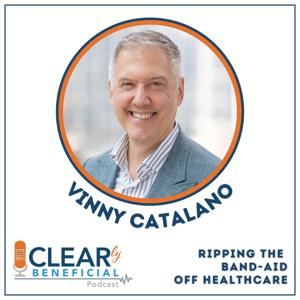
Vincent Catalano is the CEO of CLEAR Healthcare Solutions and host of The CLEARly Beneficial Podcast, where he delivers unfiltered insights on healthcare innovation and employee benefits strategy. With over 21 years of experience in healthcare and employee benefits consulting, Vincent brings the perspective of an independent consultant who can speak freely about the industry issues that corporate-employed professionals often can't address. Learn more at www.clearhcs.com.
This episode is sponsored by HealthNEXT, empowering benefits advisors and employers with innovative healthcare solutions.
Disclaimer: The content provided in this podcast is for informational purposes only and does not constitute legal, financial, or professional advice. Listeners should consult with qualified professionals regarding their specific situations.
From ER Nurse to Healthcare Entrepreneur: Transforming Primary Care
What happens when a bedside ER nurse discovers the healthcare system is designed to keep people sick rather than make them well?
In this revealing episode of The CLEARly Beneficial Podcast, host Vincent Catalano sits down with Nathan Baar, RN, Founder and CEO of HealthBar, to unpack one of healthcare’s most troubling contradictions. Nathan shares his eye-opening journey from emergency room nursing to hospital administration, where he witnessed firsthand how health systems talk about population health and preventative care while actually planning for higher patient volumes and increased revenue from sickness.
This disconnect became the catalyst for HealthBar, Nathan’s revolutionary approach to primary care that brings relationship-based healthcare directly to employers through on-site and virtual services. By focusing on nurse practitioners, combining traditional and functional medicine, and operating as a true fiduciary for patients’ health, HealthBar is proving that better care at lower costs isn’t just possible—it’s already happening.
In This Episode You’ll Discover:
Whether you’re an insurance broker seeking better solutions for clients, an HR professional managing employee benefits, or simply someone who cares about fixing our broken healthcare system, this conversation offers both inspiration and practical insights into what’s possible when we put patients first.
ABOUT THE GUEST:
Nathan Baar is a registered nurse and the Founder and CEO of HealthBar, a business developing care delivery innovation and healthcare payment model disruption. He started his career as a bedside ER nurse, eventually becoming Director of Emergency Services for University of Michigan Health-West. During his 13 years in the health system, he gained valuable insights as a clinical provider and significant expertise in the corporate functions of the healthcare system. These formative experiences were the catalyst for HealthBar and his desire to fundamentally change how primary and preventative care are viewed in the US.
ABOUT THE HOST:
Vincent Catalano is the CEO of CLEAR Healthcare Solutions and host of The CLEARly Beneficial Podcast. With decades of experience in the insurance brokerage industry, Vinny brings straight talk and actionable insights to healthcare benefits, helping brokers, employers, and HR professionals navigate the complex world of employee health benefits.
Disclaimer: This content is for educational purposes only and should not be considered medical or financial advice. Please consult with your healthcare provider or benefits administrator for personalized guidance regarding your specific situation.
Not all benefits brokers are created equal. In this first episode of a two-part series, Vincent Catalano pulls back the curtain on the employee benefits brokerage industry, sharing insights from his 22 years in the business.
Drawing from his experience working with small brokerages to large national firms, Vincent discusses what employers should look for when evaluating a benefits broker—from understanding funding strategies to knowing the right questions to ask about compensation and expertise.
In this episode, you'll learn:
Whether you're considering a new broker or evaluating your current one, this episode gives you the insider perspective on what separates truly knowledgeable advisors from those just looking to close a deal.
Sponsor: This episode is brought to you by CLEAR Healthcare Solutions, providing independent healthcare benefits consulting to help organizations navigate the complex world of employee benefits.
Disclaimer: The views and opinions expressed in this podcast are those of the host and guests and do not necessarily reflect the official policy or position of any organization mentioned. This content is for informational purposes only and should not be considered legal, financial, or professional advice.
The president just dropped details on the "Great American Healthcare Plan" – and Vincent's breaking down why the math doesn't add up. While everyone wants lower drug costs and transparent pricing, there's a fundamental flaw in thinking a government check will fix our healthcare system.
Here's the problem: That thousand-dollar government payment might cover primary care visits, but what happens when you need cardiac bypass surgery? Or cancer treatment? The real purpose of insurance is protecting you from catastrophic costs – the kind that run into hundreds of thousands of dollars, not the day-to-day stuff.
Vincent unpacks the hidden mechanics most people never see: how hospitals rely on commercial insurance to subsidize Medicare and Medicaid patients, why your annual out-of-pocket maximum is actually protecting you from financial ruin, and what happens when hospital systems that can't even process cash payments are suddenly expected to become retail healthcare providers.
The truth? This plan will probably break everything. And maybe that's exactly what needs to happen. Because the current system – with hospital systems demanding 10-15% revenue increases year after year and healthcare costs compounding at 9% annually since the late 1980s – simply can't continue.
Whether this creates the reset healthcare desperately needs or just chaos remains to be seen. Either way, Vincent's advice is clear: take the cash they give you, save it in an HSA if you can, and most importantly – stay healthy. Because navigating what comes next is going to be complicated.
Straight talk on healthcare's biggest shake-up in decades – no corporate spin, just the reality check you need.
This episode is brought to you by HealthNEXT – the company leading the way in helping employers build enduring cultures of health and well-being, reducing medical cost trends, and increasing organizational performance. Learn more at healthnext.com.
The CLEARly Beneficial Podcast delivers unfiltered insights on healthcare benefits and industry innovation. The views expressed are those of the host and guests, not their employers or sponsors.
The Fight to Save Independent Physicians in California
Matthew Robinson, CEO of the Physician Association of California, reveals why independent physicians have dropped from approximately 50% to 33% in just 12 years—and the critical advocacy work being done to preserve physician autonomy, reduce administrative burdens, and ensure healthcare access across California.
Discussion Topics:
About Matthew Robinson:
Matthew Robinson serves as Chief Executive Officer of the Physician Association of California (PAC), an organization founded two years ago to represent and advocate for independent physicians who operate as small business owners with their own practices. PAC focuses on supporting independent physicians through challenges including reimbursement issues, administrative burdens, prior authorization, liability insurance costs, and out-of-pocket expenses.
About Vincent Catalano:
Vincent "Vinny" Catalano is the founder and CEO of CLEAR Healthcare Solutions, bringing decades of expertise in employee benefits and healthcare consulting. Through the CLEARly Beneficial Podcast, he explores innovative approaches to healthcare benefits, cost management, and system transformation with industry leaders who are driving real change.
This episode is brought to you by HealthNEXT. HealthNEXT helps employers build cultures of health and well-being that reduce healthcare costs, enhance workforce productivity, and create sustainable competitive advantages through data-driven population health strategies.
Disclaimer: This content is for educational purposes only and should not be considered medical or financial advice. Please consult with your healthcare provider or benefits administrator for personalized guidance regarding your specific situation.
Why Healthcare's Dysfunction Is a Feature, Not a Bug—And Who Benefits From Keeping It That Way
Lawrence Thompson has spent 35+ years in healthcare leadership roles at some of the industry's most prominent organizations. As CEO of Benefit Systems Inc., and with previous executive positions at Aetna Life & Casualty, HealthAxis, and HealthNow where he managed over $1 billion P&L, Larry has seen the healthcare system from every angle. His assessment? Everyone is complicit.
Vincent (Vinny) and Larry begin with a candid discussion about why Larry launched a podcast with no financial agenda—purely to share unfiltered conversations about healthcare. Larry acknowledges that most industry voices have incentives that compromise their objectivity, making independent perspectives increasingly rare and valuable.
The conversation quickly moves to broker accountability. Larry doesn't mince words: many brokers prioritize commission structures over client outcomes, perpetuating a system that rewards volume rather than value. He explains how broker incentives often align more closely with insurance carriers than with the employers they supposedly represent, creating inherent conflicts that drive up costs.
PBMs emerge as a particularly troubling example of systemic manipulation. Larry describes how pharmacy benefit managers have built deliberately opaque business models that exploit information asymmetry. The complexity serves a purpose—it prevents employers from understanding where their money actually goes and who profits from each transaction.
Larry emphasizes that fixing healthcare requires holding every stakeholder accountable. Insurance companies, hospitals, pharmaceutical manufacturers, PBMs, brokers, consultants, and even government regulators all contribute to the dysfunction. The lobbying power protecting the status quo is immense, with billions of dollars invested in maintaining current arrangements.
Value-based care models represent potential progress, but Larry cautions against viewing them as complete solutions. The transition from fee-for-service to outcomes-based reimbursement faces resistance from multiple directions—providers fear revenue loss, and administrative complexity increases significantly during implementation.
Larry is writing a book that will systematically examine each healthcare stakeholder's role in perpetuating the broken system. His goal is honest accountability rather than proposing simplistic solutions. He believes meaningful change requires confronting uncomfortable truths about how financial incentives shape behavior throughout the industry.
The conversation touches on why innovation struggles in healthcare. Larry explains that breakthrough solutions often threaten established revenue streams, leading incumbents to acquire or suppress disruptive technologies. The result is incremental improvement rather than transformative change.
Government regulation receives pointed criticism. Despite decades of transparency mandates and reform legislation, meaningful price transparency remains elusive. Larry suggests regulatory capture plays a significant role—industry lobbyists heavily influence the rules supposedly designed to constrain them.
Larry acknowledges his own "passion project" aimed at making a positive impact in healthcare, though he's realistic about the scale of change one organization can achieve. He recognizes that systemic problems require collective action, but notes that most stakeholders lack incentive to disrupt profitable arrangements.
The episode concludes with Larry's wine preferences—he's evolved from favoring robust Cabernets to appreciating the complex blends emerging from Paso Robles, where French winemakers are producing world-class wines. He highlights L'Aventure winery, the first in Paso Robles to receive a 100-point rating from Wine Spectator.
Disclaimer: This content is for educational purpo
Saving for your health is actually a tax advantage!
An HSA (or Health Savings Account) is a savings account that is used purely for medical services. Unlike other accounts, you get a deduction on your taxes when you put money into the HSA and you don’t get taxed when you take money out of the HSA. It’s also not a use it or lose it system, it keeps “rolling over” forever. However, because of its tax advantages, there is a limit on how much you can put in. Depending on your health insurance, an HSA is a great supplemental tool to have.
Keep an eye out for your HSA options next open enrollment!
Disclaimer: This content is for educational purposes only. Please discuss your specific situation with your health benefits administrator or insurance provider for personalized guidance.
Listen to Vincent's Hot Health Takes as he demystifies your health plan deductibles in about three minutes!
Depending on how your insurance plan is structured, your deductible could play an important role alongside your out of pocket maximum.
Your deductible is the amount of money you would pay for your (covered) health care before your insurance starts to pay ("you pay first").
Usually the only thing that is not subject to your deductible is your annual physical (and some blood tests that your doctor would do in a annual physical).
Keep an eye on your available deductibles next open enrollment!
Disclaimer: This content is for educational purposes only. Please discuss your specific situation with your health benefits administrator or insurance provider for personalized guidance.
The most important thing in picking out an insurance plan is...
Your maximum out of pocket!
All of your costs related to your health will be stacked up against that maximum out of pocket before your insurance covers it. In other words, all the other things under your insurance plan: the deductible, the coinsurance, the copay, etc, all apply to that out-of-pocket maximum. Once you hit that maximum, it caps the amount of money that you will be spending in that calendar year.
Keep an eye out for it next open enrollment!
Disclaimer: This content is for educational purposes only. Please discuss your specific situation with your health benefits administrator or insurance provider for personalized guidance.
From the publisher's feed
CLEARly Beneficial Podcast: Where We Rip Off the Band-aid and Explore What's Next
Welcome to the CLEARly Beneficial podcast - the show where we rip off the band-aid on healthcare…
Host Vincent Catalano brings over 20 years of health insurance brokerage expertise to conversations that get to the real story. You'll discover what actually works, what doesn't, and what's coming next from the innovators brave enough to challenge how we've always done things.
Whether you're an insurance broker navigating carrier politics, an HR professional trying to make sense of complex plan designs, or an employer seeking practical solutions for your people, this podcast delivers the straight talk and actionable insights you need.
We rip the band-aid off and give you the inside perspective that only comes from decades in the trenches. Ready to see what's really happening in healthcare? Let's explore the future together.