
Sign up to save your podcasts
Or

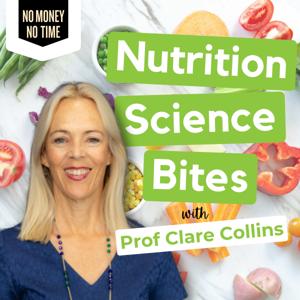

In line with a key update from the Therapeutic Goods Administration (TGA), this episode explores all things vitamin B6. Prof Clare Collins and Ilyse Jones discuss the serious issue of vitamin B6 toxicity, and emphasise the importance of reading labels carefully, as many supplements contain hidden ingredients that can lead to health complications. The conversation also explores the growing trend of supplement use, why professional guidance is essential, and why a diet rich in whole foods is the safest way to meet your nutritional needs.
The TGA has announced stronger safety controls for products containing vitamin B6, where products containing 50mg or more will (from 1 June 2027) require advice from a pharmacist or a prescription from a doctor to be available for sale - to reduce the risk of nerve damage from long-term high-dose use. You can read the full update here: https://www.tga.gov.au/news/media-releases/stronger-safety-controls-be-introduced-products-containing-vitamin-b6
Consumers should always check labels for vitamin B6 (also called pyridoxine, pyridoxamine, or pyridoxal) and seek medical advice if experiencing symptoms like tingling, burning, or numbness in hands or feet.
Foods rich in magnesium: Nuts, wholegrains, legumes (like lentils), dark green vegetables, avocado
Foods rich in Vitamin B6: Meat, chicken, peanuts, tofu and soy products, oats and some fortified breakfast cereals, bananas, watermelon and milk.
Are you in a position to make a small donation to support No Money No Time? Donate here
Hosted on Acast. See acast.com/privacy for more information.
 View all episodes
 By Clare Collins
In line with a key update from the Therapeutic Goods Administration (TGA), this episode explores all things vitamin B6. Prof Clare Collins and Ilyse Jones discuss the serious issue of vitamin B6 toxicity, and emphasise the importance of reading labels carefully, as many supplements contain hidden ingredients that can lead to health complications. The conversation also explores the growing trend of supplement use, why professional guidance is essential, and why a diet rich in whole foods is the safest way to meet your nutritional needs.
The TGA has announced stronger safety controls for products containing vitamin B6, where products containing 50mg or more will (from 1 June 2027) require advice from a pharmacist or a prescription from a doctor to be available for sale - to reduce the risk of nerve damage from long-term high-dose use. You can read the full update here: https://www.tga.gov.au/news/media-releases/stronger-safety-controls-be-introduced-products-containing-vitamin-b6
Consumers should always check labels for vitamin B6 (also called pyridoxine, pyridoxamine, or pyridoxal) and seek medical advice if experiencing symptoms like tingling, burning, or numbness in hands or feet.
Foods rich in magnesium: Nuts, wholegrains, legumes (like lentils), dark green vegetables, avocado
Foods rich in Vitamin B6: Meat, chicken, peanuts, tofu and soy products, oats and some fortified breakfast cereals, bananas, watermelon and milk.
Are you in a position to make a small donation to support No Money No Time? Donate here
Hosted on Acast. See acast.com/privacy for more information.