
Sign up to save your podcasts
Or

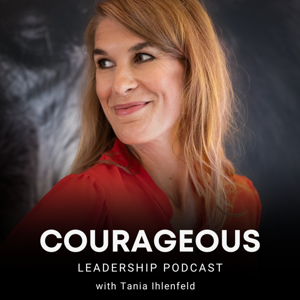


The best collaborative projects don't happen by accident; leaders design them by inviting expertise in without losing the vision. Tania Ihlenfeld reveals the leadership mistakes that quietly kill collaboration, and why simply “listening to everyone” is not enough. Tania shares how years of working across multi-disciplinary projects have reshaped her understanding of what real collaborative leadership looks like. What starts as a natural-seeming creative process becomes a lesson in guardrails, decision-making, and holding a clear direction when every voice at the table has something valuable to say.
You’ll hear:
Tania also reflects on the gap between what leaders say about collaboration and what they can actually do in practice. Inspired by a workshop with next-gen leaders, she unpacks why collaborative leadership is often treated as an obvious virtue, yet rarely translated into concrete behaviour, and why that gap matters for anyone responsible for guiding complex, cross-functional work.
If you lead teams, shape strategy, or manage projects where too many voices can either unlock something extraordinary or derail everything, this episode is for you.
It’s a pragmatic reminder that collaboration is not about stepping back; it’s about stepping up with clarity, discipline, and courage. Perfect for architects, designers, project leaders, and anyone trying to turn complex collaboration into real progress.
Key Insights
Chapters
00:00 Introduction to collaborative leadership and its importance
01:58 Avoiding tokenism
03:50 Managing stakeholder expectations and transparency
05:58 Follow-through, accountability, and ground rules
07:59 The importance of context and information sharing
09:53 Decision-making governance and traceability
12:04 The impact of clear vision and direction
19:46 Raising expectations and pushing project quality
22:01 Challenging fundamentals and fostering a culture of challenge
24:01 Difficult conversations and emotional intelligence
28:08 Creating an environment for respectful challenge
What does it take to transform an industry... bold innovation, better regulation, stronger financial incentives or simply the courage to take responsibility? In this wide-ranging conversation, pioneering environmental engineer and Atelier Ten founder Patrick Bellew reflects on a career spent bringing engineering, architecture and sustainability closer together. Patrick explores the growing importance of embodied carbon, regenerative design and nature-led thinking; reveals the lessons behind landmark projects including Gardens by the Bay; and explains why good governance, intelligent incentives and compelling communication are essential to meaningful change. He also shares candid thoughts on AI-generated architecture, the danger of sustainability bling, and how every professional can become the small but powerful “trim tab” that helps turn the entire ship.
Since filming this incredible interview, Patrick has now retired.
Key insights00:00 — Personal agency in sustainability
02:09 — Introducing Patrick Bellew
03:48 — Founding Atelier Ten
10:32 — Making sustainability understandable—and valuable
14:00 — The carbon reset
19:18 — What individuals and professionals can do now
25:22 — Leading change at scale
29:10 — Sponsor message
29:46 — Sustainability across very different global contexts
33:00 — The projects that mattered most
38:04 — Governance, incentives, and accountability
41:22 — Ideas still waiting for their moment
45:22 — Architecture, beauty, and designing with context
50:31 — The trim-tab principle
This conversation explores the desperate need for radical change in the construction industry, emphasising the real challenges and abundant opportunities on offer when we pool our collective efforts for safety and long-term commitments.
We also delve into the role of family businesses in leadership, the necessity of attracting diverse talent, and the lessons that can be learned from other industries to foster innovation and efficiency in construction. In this conversation, Sir James discusses the importance of design quality and sustainability, and the necessity of increasing female representation in the field. He shares insights on doing things radically differently, navigating change, the value of planning, and the significance of gaining cross-party agreements for a pipeline of essential infrastructure and housing projects.
Sir James also highlights the synergies between business and cricket and how to build profitable companies and truly collaborative alliances to drive meaningful impact.
Key insights
Chapters
00:00
Challenging the Status Quo in Construction
03:04
The Need for Long-Term Commitment in Infrastructure
06:01
Collective Efforts for Safety and Innovation
08:59
The Role of Family in Business Leadership
11:51
Attracting Talent and Embracing Diversity
14:45
Learning from Other Industries
18:08
The Future of Construction: Innovation and Change
24:53
Navigating Change in Construction
32:57
The Importance of Design Quality and Sustainability
39:54
Influencing Change in the Construction Industry
44:41
Increasing Female Representation in Construction
This episode focuses on an overlooked leadership skill that influences how you show up for your team and your significant responsibilities. Tania Ihlenfeld explores the nuances of setting boundaries, being intentional and recognising your own working style, especially if you are an introvert, which can improve both your leadership impact and your project outcomes.
Key topics
Chapters
00:00 - Why protecting your energy is a leadership priority
00:27 - Introverts need recovery time after high-energy moments
01:21 - What writing a book taught Tania about energy management
02:14 - Using focus time, music, and quiet to protect creative energy
03:39 - How being the approachable leader can drain your energy
04:33 - When team support starts getting in the way of strategic thinking
05:53 - Why shared accountability keeps everything from landing on one person
06:46 - How home life and emotions from others can affect your energy
08:13 - Setting clear intentions before meetings
09:10 - When a new issue should be deferred instead of derailing the meeting
Summary
We don’t lose innovation because we lack tools; we lose it when we rush strategy and skip the human conversations that change everything.
In this episode of the Courageous Leadership podcast, Jane Clay, Principal and Strategy Director at Gensler London and a globally respected workplace strategist, shares how to use workplace strategy, communication and storytelling to transform projects rather than just deliver them.
You’ll hear how Jane:
This is perfect for architects, designers, workplace strategists and clients who:
Key insights:
Chapters:
00:00 – Communication as a core leadership superpower
02:22 – Vulnerability and asking for help in leadership
03:13 – The design strategist’s role as “the job before the job”
04:54 – Continuous learning, unlearning and strategic rethinking
06:22 – Innovation through blowing up and repacking ideas
07:39 – Drawing, storytelling and visual communication in design
10:06 – McCann case study: flexible office, subcultures and narrative
12:15 – Inclusive, story‑driven client engagement
17:13 – Designing process deliberately in creative projects
22:12 – Navigating conflict and resistance through better conversations
30:29 – Setting expectations and aligning assumptions early
33:11 – Curating strategy and trust over long‑term projects
41:33 – Avoiding process‑driven, soulless design
44:21 – Harnessing chaos and personality for innovation
46:04 – Leadership as a blend of strategy, storytelling, chaos and communication
Workplace strategy, leadership communication, design process, change management, innovation in architecture, client engagement, narrative‑driven design, future of work, culture‑led projects, creative team leadership.
Useful links
Gensler Workplace Strategy
https://www.gensler.com/research-topic-work-and-the-workplace
Jane Clay - LinkedIn
https://www.linkedin.com/in/jane-clay-a1b65816/
In this episode, Caroline Harper shares her career journey from geography student to urban regeneration leader and managing director at Be First, the London Borough of Barking & Dagenham’s urban regeneration agency. Her dreams of building a city and her determination to end homelessness. Highlighting the importance of persistence, finding allies, strategic thinking, managing expectations, avoiding micro-management at all costs and pursuing open doors - because you don’t know whether you'll get those opportunities again.
Key Topics
Career milestones to rise to managing director
The role of social value in city planning
Building effective public-private partnerships
Bringing people with you
Innovative approaches to affordable housing
Shaping a new part of London
Planning long-term in market unpredictability
Key Insights
Leadership involves empowering teams and trusting professionals.
Strategic partnerships are essential for large-scale regeneration.
Dealing with market challenges
Innovation in housing requires bold policy and financial incentives.
Bold urban regeneration needs new business models
Resilience and adaptability are key to career success.
Chapters
00:00
Humble Beginnings: Career Milestones
06:18
Persistence and Relentlessness in Leadership
12:09
Navigating Academia and Corporate Worlds
19:06
Transitioning to B-First: Building a City
25:05
Leadership Style: Coaching and Directness
32:25
Introduction to B First and Its Unique Model
35:20
Transitioning to a New Business Model
39:56
Dealing with the Current Market Challenges
43:48
Placemaking and Community Engagement
49:08
Industry Insights and Future Changes
55:49
Courage and Risk in Leadership
In this conversation, Tania Ihlenfeld speaks with Abb-d Taiyo, a creative strategist and co-founder of DriftTime, about the complexities of progress, the importance of resilience, and the ethical responsibilities of design.
"Progress is messy. It's painful. It's difficult."
We discuss Abb-d’s career twists and turns, from musician to founder of DriftTime, an impact-first design agency. We discuss the challenges of working with clients to create meaningful impact, the need for emotional investment in projects, the significance of building strong client relationships, and why failure is the path to progress.
Abb-d highlights the importance of building trust and credibility in campaigns, as well as the evolution of the Design Declares movement, which aims to address climate emergencies through design. We also explore how to drive impact by diving into some of his most successful campaigns, the challenges of sustainable design, the role of AI in enhancing creative processes, and the need for greater access and recognition within the design industry.
Key insights
Progress is inherently messy and requires resilience.
Emotional investment in projects is crucial for success.
Failure is a necessary part of the creative process.
Building trust with clients is essential for impactful work.
Design should serve a greater purpose beyond aesthetics.
Navigating bureaucracy can hinder project progress.
Incremental improvements can lead to significant change.
Selecting the right clients is vital for ethical design.
Collaboration and partnership enhance project outcomes.
Creative expression should not be misrepresented as evidence.
Rapid execution of branding and web presence can lead to significant traction.
Bringing polarised communities together requires understanding and empathy.
Sustainable design education is crucial for the future of the industry.
AI can enhance design processes, but should be used intentionally and ethically.
Values alignment is key to successful client-agency relationships.
True impact metrics should focus on real-world outcomes, not just financial valuations.
Difficult conversations are necessary for progress in sustainable design.
Resilience and conviction are vital for aspiring change-makers.
Chapters
00:00
The Messy Nature of Progress
01:58
The Journey of Abdi Tayo
05:48
Navigating Career Pivots
09:57
The Birth of DriftTime
17:04
Defining Impact and Purpose
24:05
Building Relationships with Clients
30:06
Challenges and Successes in Impact Projects
37:09
Building Trust and Credibility in Campaigns
42:10
The Evolution of Design Declares
46:29
Navigating the Challenges of Sustainable Design
52:15
The Role of AI in Design
56:50
Envisioning Change in the Design Industry
01:07:11
Advice for Aspiring Change-Makers
Courage Shorts are designed to give you short, sharp courage and inspiration boosts.
Because we all need a boat from time to time.
Tania Ihlenfeld shares her journey from a shy background to leading large teams and now her own business, emphasising the importance of perspective and leadership evolution.
You’ll also hear the mission behind the podcast and hopefully be inspired to engage with the incredible leaders interviewed in the show.
Key insights
The importance of perspective and inspiration
Supporting emerging leaders and creating impact
Shyness is not an obstacle.
Leadership is a journey of continuous evolution.
Inspiring others and creating impact.
Chapters
00:00 Introduction to Courageous Leadership Podcast
01:58 The Mission Behind the Podcast
06:19 Leadership is a journey of continuous evolution.
By hearing real stories and scenarios of how and when awe-inspiring leaders have applied courage. So we can see what’s possible for ourselves in our specific corner of the built environment. Be inspired to take bold action to move yourself and our industry forward.
In this conversation, Danna Walker, an award-winning electrician-turned-architect and founder of Built by Us, discusses the lack of leadership training in the construction industry and the imperative of diversity and inclusion in the built environment. She shares her experiences with microaggressions and the challenges faced by underrepresented groups. The conversation highlights the need for systemic change and the role of architecture in social justice. Danna emphasises the importance of mentorship, advocacy, and organisational support in fostering an inclusive environment and the game-changing effects of adopting new leadership styles. We also explore workplace dynamics, how to navigate challenging conversations, finding allies and the courage required for personal growth.
Key insights
An inclusive leadership style can transform the industry.
Change makers are essential for driving progress.
Diversity and inclusion are crucial for productivity.
Built by Us aims to connect untapped talent to careers.
The architecture industry has a long way to go in terms of diversity.
Microaggressions can significantly impact individuals in the workplace.
Socioeconomic background influences career opportunities.
Architecture can play a vital role in social change.
Finding ways to influence change outside traditional practices is important.
Change makers within practice can nudge things forward.
Support for individuals returning to work is crucial.
COVID-19 has shifted conversations around flexible working.
Diversity discussions often become diluted and need depth.
Inclusive management training is lacking in the industry.
Challenging conversations are essential for progress.
Understanding communication styles is key to influence.
Mentorship can transform individuals and organisations.
Chapters
00:00
The Need for Leadership Training in Construction
03:13
Dana Walker's Journey and the Birth of Built by Us
06:07
Challenges in the Built Environment: Diversity and Inclusion
09:00
Navigating the Architecture Industry: A Personal Perspective
11:46
From Trade to Architecture: Breaking Barriers
15:07
Experiences of Isolation and Microaggressions
17:59
The Impact of Socioeconomic Background on Career Paths
21:11
The Role of Architecture in Social Change
24:04
Transitioning from Education to Practice
26:57
Finding Influence Outside Traditional Practice
32:10
Navigating Change in Practice
33:53
Building Supportive Programs for Career Returnees
35:46
The Impact of COVID-19 on Workplace Conversations
39:05
Adapting Communication for Inclusive Leadership
41:27
The Need for Inclusive Management Training
44:16
The Importance of Challenging Conversations
53:39
Courage and Personal Growth in Leadership
01:01:11
Facilitating Change and Connection
From the publisher's feed
Tania Ihlenfeld is an architect, author and entrepreneur on a mission to develop and support formidable leaders in the built environment. She created this podcast so you can be more courageous and…
Tips, stories and interviews with high-calibre leaders who are overcoming challenges and achieving impact, despite their fears. You’ll be inspired to take action and to support others in doing the same. Curating conversations that matter so that you can see what’s possible and apply it to your projects, organisations and outward within the industry today.
We don’t have a talent shortage; we have a courage deficit.
My Build Success book: https://www.edeenablers.com/eBook
The Courageous Leaders APP: https://www.edeenablers.com/courageous-leaders-course
Insta: https://www.instagram.com/tania_m_ihlenfeld
LinkedIn: https://www.linkedin.com/in/tania-ihlenfeld-98a03b67/