
Sign up to save your podcasts
Or

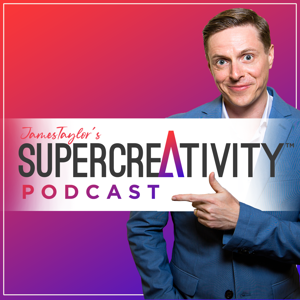

We love the story of the lone genius. But when you look behind the scenes of the most successful companies, discoveries, and creative breakthroughs, a very different pattern emerges. Innovation is rarely a solo act. It is a team sport, and it often begins with the power of two.
In this solo episode, keynote speaker and author James Taylor explores the science and stories behind creative pairs. From iconic partnerships like Steve Jobs and Steve Wozniak to long-term research collaborations that consistently outperform solo efforts, James explains why sustained creative duos generate better ideas, stronger execution, and more lasting impact.
Drawing on large-scale academic studies and his own experience working with high-performing creatives, James breaks down why productive tension matters, how complementary roles strengthen ideas, and why the future of mastery lies in collaboration rather than individual brilliance. He also introduces the barbell model of mentorship and challenges listeners to find their own creative counterweight.
Notable Quotes
Resources and Links
Buy your copy of ‘SuperCreativity – Accelerating Innovation in the Age of Artificial Intelligence’ at https://www.jamestaylor.me/supercreativity/
In his upcoming book, James Taylor delves into the transformative concept of SuperCreativity™—the art of amplifying your creative potential through collaboration with both humans and machines. Drawing from his experiences speaking in over 30 countries, James combines compelling stories, case studies, and practical strategies to help readers unlock innovation and harness the power of AI-driven tools. This book is a must-read for anyone looking to elevate their creativity and thrive in the modern age of human-machine collaboration.
James Taylor is a highly sought-after keynote speaker, often booked months or even years in advance due to his exceptional expertise. Given his limited availability, it’s crucial to contact him early if you’re interested in securing a date or learning how he can enhance your event. Reach out to James Taylor now for an opportunity to bring his unique insights to your conference or team.
Free 3-Part Video Training Series On How To Unlock Your Creative Potential, Break Down Creative Blocks, and Unleash Your Creative Genius
FREE training video shows you how to unlock your creative potential in 5 simple steps. The world’s top creative individuals and organizations use these exact strategies.
FREE training video shows you the ten ways to make $1,000,000 from your speaking. The world’s top professional speakers use these exact strategies.
In this first FREE video series, award-winning keynote speaker James Taylor reveals how to become a 7-figure speaker.
00:00 – The myth of the lone innovator
01:05 – Why the power of two drives breakthrough ideas
02:10 – Jobs, Wozniak, and Ive as creative pairs
03:40 – What research reveals about long-term collaborations
05:15 – Why teams outperform individuals at scale
06:45 – Productive tension and complementary roles
08:20 – Visionaries, implementers, and creative counterweights
09:50 – The barbell model of mentorship explained
11:40 – Finding the right person to challenge your thinking
13:10 – Moving from the age of “me” to the age of “we”
14:40 – Building your own brain trust
15:50 – Invitation to explore SuperCreativity
Pre-order your copy of the SuperCreativity book today at https://geni.us/QiDBu
The post Creative Pairs: Why Breakthrough Ideas Rarely Happen Alone #369 appeared first on James Taylor.
 View all episodes
 By James Taylor - Keynote Speaker on Creativity, Innovation and Artificial Intelligence

4.8
4545 ratings
We love the story of the lone genius. But when you look behind the scenes of the most successful companies, discoveries, and creative breakthroughs, a very different pattern emerges. Innovation is rarely a solo act. It is a team sport, and it often begins with the power of two.
In this solo episode, keynote speaker and author James Taylor explores the science and stories behind creative pairs. From iconic partnerships like Steve Jobs and Steve Wozniak to long-term research collaborations that consistently outperform solo efforts, James explains why sustained creative duos generate better ideas, stronger execution, and more lasting impact.
Drawing on large-scale academic studies and his own experience working with high-performing creatives, James breaks down why productive tension matters, how complementary roles strengthen ideas, and why the future of mastery lies in collaboration rather than individual brilliance. He also introduces the barbell model of mentorship and challenges listeners to find their own creative counterweight.
Notable Quotes
Resources and Links
Buy your copy of ‘SuperCreativity – Accelerating Innovation in the Age of Artificial Intelligence’ at https://www.jamestaylor.me/supercreativity/
In his upcoming book, James Taylor delves into the transformative concept of SuperCreativity™—the art of amplifying your creative potential through collaboration with both humans and machines. Drawing from his experiences speaking in over 30 countries, James combines compelling stories, case studies, and practical strategies to help readers unlock innovation and harness the power of AI-driven tools. This book is a must-read for anyone looking to elevate their creativity and thrive in the modern age of human-machine collaboration.
James Taylor is a highly sought-after keynote speaker, often booked months or even years in advance due to his exceptional expertise. Given his limited availability, it’s crucial to contact him early if you’re interested in securing a date or learning how he can enhance your event. Reach out to James Taylor now for an opportunity to bring his unique insights to your conference or team.
Free 3-Part Video Training Series On How To Unlock Your Creative Potential, Break Down Creative Blocks, and Unleash Your Creative Genius
FREE training video shows you how to unlock your creative potential in 5 simple steps. The world’s top creative individuals and organizations use these exact strategies.
FREE training video shows you the ten ways to make $1,000,000 from your speaking. The world’s top professional speakers use these exact strategies.
In this first FREE video series, award-winning keynote speaker James Taylor reveals how to become a 7-figure speaker.
00:00 – The myth of the lone innovator
01:05 – Why the power of two drives breakthrough ideas
02:10 – Jobs, Wozniak, and Ive as creative pairs
03:40 – What research reveals about long-term collaborations
05:15 – Why teams outperform individuals at scale
06:45 – Productive tension and complementary roles
08:20 – Visionaries, implementers, and creative counterweights
09:50 – The barbell model of mentorship explained
11:40 – Finding the right person to challenge your thinking
13:10 – Moving from the age of “me” to the age of “we”
14:40 – Building your own brain trust
15:50 – Invitation to explore SuperCreativity
Pre-order your copy of the SuperCreativity book today at https://geni.us/QiDBu
The post Creative Pairs: Why Breakthrough Ideas Rarely Happen Alone #369 appeared first on James Taylor.
407 Listeners

3,336 Listeners

2,409 Listeners

2,300 Listeners