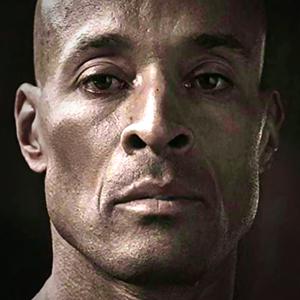
ordan Peterson discusses the 2020 US Presidential election through the lens of personality psychology. He explains that personality traits, largely genetic, cluster into five main categories (extroversion, neuroticism, agreeableness, conscientiousness, and openness). He argues that liberals tend to score higher in openness and lower in conscientiousness, valuing the free flow of information, while conservatives score lower in openness and higher in conscientiousness, prioritizing order and stability. He posits that both liberal and conservative viewpoints are necessary for a functioning society, emphasizing the importance of dialogue and negotiation to find solutions. Peterson concludes that while objective truths exist, many political issues require compromise and pragmatic assessment of what “works” in the real world. He also suggests the sovereignty of the individual as a fundamental truth.
- 🧠 Personality Traits and Politics: Peterson connects political ideologies to established personality traits, arguing that genetic predispositions influence political leanings.
- ⚖️ Liberals vs. Conservatives: He contrasts liberal and conservative viewpoints, highlighting the value of both openness to change and the maintenance of order.
- 🗣️ The Importance of Dialogue: Peterson stresses the necessity of open discussion and negotiation in resolving political differences, emphasizing the need to understand opposing perspectives.
- 🎯 Pragmatic Truth: He introduces a pragmatic definition of truth—that which works in practice—as a way to assess political policies and outcomes.
- 👑 Individual Sovereignty: Peterson identifies the concept of individual sovereignty as a fundamental truth underlying a well-functioning society.