
Sign up to save your podcasts
Or

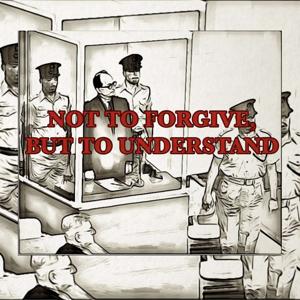

In this episode, we speak with David Chandler, historian of Cambodia, biographer of Pol Pot, and leading researcher on the S-21 Prison under the Khmer Rouge, who provided expert testimony at the Extraordinary Chambers in the Courts of Cambodia in 2009 and 2012. He is joined by Peg LeVine, a medical anthropologist, psychologist, sculptor, and clinician whose work addresses mass killing and torture, and who served as an expert witness at the ECCC in 2016 following her book Love and Dread in Cambodia: Weddings, Births, and Ritual Harm under the Khmer Rouge; both scholars are affiliated with Monash University. Together, they examine the aftermath of genocide and crimes against humanity, the concept of “genocidal priming,” the limits and possibilities of prevention, and how atrocity is narrated from Cambodia to Gaza, Afghanistan, and beyond.
We extend our sincere thanks to Tibor Hegedis (videographer, photographer) and Maki LeVine (photographer, art therapist). Their generosity, care, and expertise were integral to the production of this conversation.
00:00:00 – Opening
00:01:50 – Setting the Context: Cambodia, the Khmer Rouge, and Historical Responsibility
00:08:43 – The Problem of Defining Genocide When Victims and Perpetrators Overlap
00:12:53 – Genocidal Priming: Identifying Early Warning Signs of Mass Violence
00:17:00 – Genocide Prevention in Protracted and Unfinished Conflicts
00:20:03 – Beyond Binary Narratives: Complexity, Complicity, and Moral Discomfort
00:26:06 – Researching Pol Pot Before the Internet and Modern Archives
00:28:47 – Conducting Ethnographic Research Under Post-Genocide Conditions
00:35:48 – Challenging Master Narratives and Methodological Assumptions
00:42:57 – The Emotional and Psychological Cost of Studying Genocide
00:48:29 – Ritualcide: What Happens When Social Rituals Are Destroyed
00:52:10 – Would You Choose This Work Again? Reflections on Scholarly Commitment
00:54:45 – What Genocide Studies Programs Still Fail to Address
00:59:44 – Framing, Retelling History, and the Limits of Narrative Models
01:03:15 – The Political Power and Misuse of the Word “Genocide”
01:08:54 – Can Scholars Study Genocide From Within a Violent Society?
01:13:40 – What Comes Next After Genocide Studies Acknowledges Its Limits?
 View all episodes
 By Sabah Carrim and Luis Gonzalez-Aponte
In this episode, we speak with David Chandler, historian of Cambodia, biographer of Pol Pot, and leading researcher on the S-21 Prison under the Khmer Rouge, who provided expert testimony at the Extraordinary Chambers in the Courts of Cambodia in 2009 and 2012. He is joined by Peg LeVine, a medical anthropologist, psychologist, sculptor, and clinician whose work addresses mass killing and torture, and who served as an expert witness at the ECCC in 2016 following her book Love and Dread in Cambodia: Weddings, Births, and Ritual Harm under the Khmer Rouge; both scholars are affiliated with Monash University. Together, they examine the aftermath of genocide and crimes against humanity, the concept of “genocidal priming,” the limits and possibilities of prevention, and how atrocity is narrated from Cambodia to Gaza, Afghanistan, and beyond.
We extend our sincere thanks to Tibor Hegedis (videographer, photographer) and Maki LeVine (photographer, art therapist). Their generosity, care, and expertise were integral to the production of this conversation.
00:00:00 – Opening
00:01:50 – Setting the Context: Cambodia, the Khmer Rouge, and Historical Responsibility
00:08:43 – The Problem of Defining Genocide When Victims and Perpetrators Overlap
00:12:53 – Genocidal Priming: Identifying Early Warning Signs of Mass Violence
00:17:00 – Genocide Prevention in Protracted and Unfinished Conflicts
00:20:03 – Beyond Binary Narratives: Complexity, Complicity, and Moral Discomfort
00:26:06 – Researching Pol Pot Before the Internet and Modern Archives
00:28:47 – Conducting Ethnographic Research Under Post-Genocide Conditions
00:35:48 – Challenging Master Narratives and Methodological Assumptions
00:42:57 – The Emotional and Psychological Cost of Studying Genocide
00:48:29 – Ritualcide: What Happens When Social Rituals Are Destroyed
00:52:10 – Would You Choose This Work Again? Reflections on Scholarly Commitment
00:54:45 – What Genocide Studies Programs Still Fail to Address
00:59:44 – Framing, Retelling History, and the Limits of Narrative Models
01:03:15 – The Political Power and Misuse of the Word “Genocide”
01:08:54 – Can Scholars Study Genocide From Within a Violent Society?
01:13:40 – What Comes Next After Genocide Studies Acknowledges Its Limits?