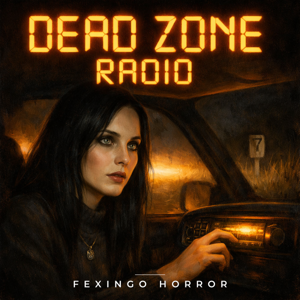
Somewhere past the long curve at milepost 58 on old Route 9, there's a thrift store that never closes. It sits at the edge of a town that stopped appearing on maps around 1997—a place called Harrow, population forty-three by the sign, though I counted zero living souls the night I pulled over. The fluorescent lights were on inside, casting that pale green glow across racks of coats that smelled like mothballs and someone else's grief. I went in because I needed a blanket for the back seat. I stayed because the mannequins weren't still. They stood clustered in the back aisle, facing the dressing room curtain, and one of them—a woman in a torn wedding dress—had her head turned just enough to watch me. No, not watch. Remember. The storekeeper never looked up from his newspaper, but when I asked about the mannequins, he said they'd been there longer than he had. Longer than the store. He said they were the ones who found him. I didn't ask what that meant. I bought the blanket and left, but the whole drive east I kept seeing her face in the rearview—not the mannequin's painted one, but the real face beneath the porcelain, pressed against the window from inside. This is the story of how I learned that some stores don't sell things. They keep them.