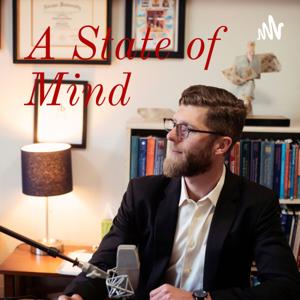
Julian and Braxton discuss Attachment Theory, what it is, some of the history and research behind it and how to work with and heal different attachment styles.
Braxton Dudley, MA offers both counseling and contemplative coaching in Boulder Colorado. That focuses on somatic parts work, relationship and spiritual issues.
https://www.spaciousheartcounseling.com/
Topics (in chronological order)

Introduction, mindfulness, the primacy of consciousnessAttachment theory: how we show up in relationships as well as our pursuit of lifeWe are most likely to have the same attachment styles as our care giversHow the dismissive attachment style shuts down their own relational needsHow our early childhood relationships with our primary caregivers impacts our relationships todayDefining "Attachment Style"Studies show 75% chance that one will die with the same attachment style they developed by age 24 Attachment Styles: Secure, Avoidant, Anxious and DisorganizedPrimary caregivers only have to show up in an attuned way 30% of the time is enough to develop secure attachmentExplaining the Anxious Attachment Styles, which is called Preoccupied in adultsAnxious Style tends to be more insecure in their explorationDiscussing the Dismissive(also called Avoidant) attachment styleHow Disorganized attachment styles tends to develop in response to neglectful or abusive care giversDifferent attachment styles can show up in different contextsTrans-generational traumaHow healing Attachment involves implicit memory, not just from cognitive understandingThe Strange experiments and the work of John Bowlby and Mary AinsworthHow Anxious attachment style in the child comes about in part from a lack of reliability in care givers.How all the different attachment styles are evolutionarily intelligent adaptation strategies that are actually the best response to particular dysfunctional environments.How the attachment styles one develops from 0-2 years old often becomes the same attachment style one has in the context of intimate relationship as an adult.How our largely unconscious internal working modelsHow the development of meta cognition can lead to healing our attachment patterns.That many with dismissive attachment styles get into meditation and intense spiritual pursuitsJust because someone is a Spiritual Teacher does not mean they have healthy relationshipsAnd how that often comes from a lack of awareness or respect of the relational needs of othersThe Qualities of Secure AttachmentStrategies for healing insecure attachment stylesThe role of self regulation for helping Pre-OccupiedThe importance of the Dismissive attachment styles to work on receiving and letting in intimacy and loveSecure (both child and adult)Anxious-ambivalent (for children) is called Preoccupied (adult)Avoidant (child) is called Dismissive (for adults)Disorganized in both child and adult (sometimes referred to as fearful-avoidant or fearful-preoccupied)https://a.co/d/6kVVwPbhttps://insig.ht/aLmAh4HKIrb