Digital Reflections: Exploring the Pretty Scale and Face Shape Detector in the Era of AI Beauty

Digital Reflections: Exploring the Pretty Scale and Face Shape Detector in the Era of AI Beauty

By richardBusiness
Download on the App Store

Digital Reflections: Exploring the Pretty Scale and Face Shape Detector in the Era of AI Beauty episodes

  • Fortnite: Performance Optimization Tips That Actually Work
    You might not need that hardware update… yet!

    New gaming consoles and PCs these days cost almost an arm and a leg! And sometimes when you update a game, you start getting that noticeable stutter that’s starting to make you and your wallet sweat.
    However, this isn’t always a hardware issue, there are many reasons for a game that used to run fine to suddenly start giving you trouble, and that’s exactly what this article seeks to educate you on. And hey, if you do manage to dodge the hardware bullet, you might as well celebrate by using that money to browse some Fortnite accounts for sale!


    What “Running Slow” Really Means in FortniteFirst things first! We need to be able to point out what people mean when they say the game is “running slow”:
    • Low FPS (choppy visuals, motion feels rough)
    • Frame drops (smooth one second, slideshow the next)
    • Input lag (you click, the game reacts late)
    • Stuttering (tiny freezes during fights)
    • Long load times or texture pop-in

    Each symptom points to a slightly different cause. That’s why one-size-fits-all fixes rarely work.

    The Hardware Reality Check (It Matters More Than You Think)Fortnite updates constantly. New maps, mechanics, and lighting changes - it all adds up. A PC or console that ran Fortnite perfectly two years ago might now be barely keeping up.
    PC PlayersIf you’re on PC, your bottleneck is usually one of three things:

    • GPU (graphics card struggling to render frames)
    • CPU (can’t keep up with game logic and background tasks)
    • RAM (not enough memory, causing stutters)

    You don’t need a monster rig, but running Fortnite on 8GB of RAM with a dated CPU and expecting buttery performance is… optimistic.
    Console PlayersConsoles lack the diversity of solutions to employ, but they also lack the amount of issues you can have, at least! Issues like overheating and storage being almost full can absolutely hurt performance.
    If your console sounds like it’s about to take flight, that’s not a great sign.

    Graphics Settings: Where Most Performance Is LostThis is the big one. When you first log into your Fortnite account, the game defaults the settings to whatever they think your machine can run at its best. However, this is often wrong and rarely optimized for maximum performance.
    Here’s where you usually get the biggest FPS gains:
    Turn These Down First

    • Shadows – Huge performance hit, minimal gameplay benefit
    • Effects – Explosions look nice, but you won’t miss them
    • Post-processing – Adds flair, costs frames

    Switching these to Low or Off can instantly stabilize FPS.
    Textures: Don’t Overdo ItHigh textures eat VRAM. If your GPU has limited memory, medium textures are often the sweet spot - clear visuals without the stutters.
    Rendering Mode MattersFortnite offers multiple rendering modes:

    • Performance Mode – Best FPS, especially on low-end PCs
    • DirectX 11 – Stable and reliable
    • DirectX 12 – Can be smoother or worse, depending on your system

    If you’re struggling, Performance Mode is usually the fastest fix.

    Background Apps: The Silent Performance KillersThis one sneaks up on people.
    People usually have a lot of things open without realizing it. Whether it’s as inconspicuous as your browser with 20 tabs open or launchers for other games, to even bigger programs that use up more resources like streaming software - each one steals a little CPU or RAM. Individually, they don’t seem like much. Together, they can choke Fortnite mid-match.
    Before launching the game:

    • Close unnecessary apps
    • Pause downloads
    • Disable overlays you don’t use

    It’s not glamorous, but it works.

    Network Issues That Feel Like Performance ProblemsSometimes Fortnite looks slow, but the real issue is your connection.
    High ping, packet loss, or unstable Wi-Fi can cause:

    • Teleporting players
    • Delayed building
    • Shots not registering
    • Random freezes during fights

    If possible:

    • Use a wired Ethernet connection
    • Avoid gaming while others are streaming heavily
    • Restart your router occasionally (yes, really)

    A stable connection won’t increase FPS - but it will make everything feel smoother.
    Thermal Throttling: When Heat Wrecks PerformanceHere’s a sneaky one.
    When your machine overheats, it will slow itself down. This is to avoid any severe damage and, of course, means that your FPS will be affected. It usually happens around 20 to 30 minutes of gaming time.
    Signs this might be happening:

    • Performance gets worse the longer you play
    • Fans get extremely loud
    • The device feels hot to the touch

    Quick fixes:

    • Clean dust from vents
    • Improve airflow
    • Avoid gaming on soft surfaces (looking at you, couch gamers)

    Long-term? Better cooling makes a real difference.
    Drivers, Updates, and the “Outdated Software” TrapIt’s boring, but it matters.
    Outdated GPU drivers can cause:

    • Stuttering
    • Crashes
    • Lower FPS after Fortnite updates

    Likewise, running an old version of Fortnite - or a partially corrupted install - can cause performance issues that make no sense until you reinstall.
    A clean driver update and game verification can fix problems that settings tweaks won’t touch.
    Storage Speed: The Bottleneck Nobody Talks AboutIf Fortnite is installed on an old hard drive, you might notice:

    • Long load times
    • Texture pop-in
    • Stutters when entering new areas

    An SSD doesn’t increase FPS directly, but it smooths out the experience dramatically. If you’ve ever watched textures load mid-fight, this is probably why.
    When Fortnite Updates Break PerformanceSometimes, it’s not you.
    When Fortnite releases a big update, like a change of season or chapter, there are usually a lot of bugs and glitches that can cause even the best of machines to run the game poorly. It’s a normal thing for most games, you can see it in most of the game’s forums or social media.
    In these cases:

    • Lowering settings helps
    • Waiting for a hotfix often solves it
    • Avoid panicking and rebuilding your entire system

    Yes, it’s annoying. But it usually passes.
    Quick Checklist to Get Ready to Game!

    • Switch to Performance Mode
    • Set shadows and effects to Low
    • Close background apps
    • Restart Fortnite (and your PC/console if needed)
    • Check temperatures mid-game

    This alone fixes performance for a surprising number of players.
    Why Fortnite Running Slow Feels Extra FrustratingFortnite isn’t just about aim - it’s timing, building, and positioning. A tiny stutter can mean losing a fight you should’ve won. That’s what makes performance issues feel personal.
    However, Fortnite is known for having very good optimization, meaning you don’t need perfect hardware or expert-level tweaking. A few smart changes usually get you back to smooth gameplay.
    And when the game finally runs the way it should - no stutters, no lag spikes - those Victory Royales feel earned again.
    FAQsDoes Performance Mode really help?Yes. For many Fortnite accounts, it’s the single biggest FPS boost available.
    Can internet speed affect Fortnite performance?It won’t change FPS, but poor internet can cause lag that feels like performance issues.
    Why does Fortnite stutter during fights?Sudden CPU or GPU spikes, overheating, or asset loading can cause mid-combat stutters.
    Is low FPS always a hardware problem?Not always. Software issues, settings, or recent updates can cause FPS drops even on strong systems.

    2 min
  • technology has changed how we see ourselves
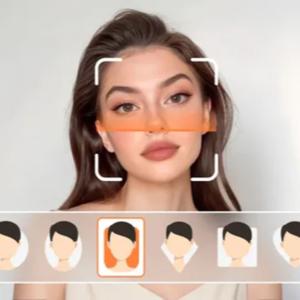
    Technology has changed how we see ourselves. What used to be a private look in the mirror is now a digital analysis powered by artificial intelligence. Tools like PrettyScale and Detect Face Shape Detector promise to assess our faces, measuring symmetry and structure, and sometimes even rating beauty. They may seem like harmless fun, but they reveal how much we’ve begun to view beauty through data rather than emotion.
    2 min
  • Digital Reflections: Exploring the Pretty Scale and Face Shape Detector in the Era of AI Beauty
    Technology has changed how we see ourselves. What used to be a private look in the mirror is now a digital analysis powered by artificial intelligence. Tools like PrettyScale and Detect Face Shape Detector promise to assess our faces, measuring symmetry and structure, and sometimes even rating beauty. They may seem like harmless fun, but they reveal how much we’ve begun to view beauty through data rather than emotion.

    From Art to Algorithms

    Human fascination with beauty isn’t new. Ancient Greeks used mathematical ratios; Renaissance painters pursued perfect balance. Today, algorithms do the same. PrettyScale and Face Shape Detector use facial recognition to map features and compare them to idealized proportions. What once depended on intuition is now reduced to numbers. Yet beauty has never been purely mathematical—reducing it to geometry oversimplifies something deeply human.

    How the Tools Work

    PrettyScale analyzes uploaded photos, measuring distances between key facial points—eyes, nose, lips, and jaw—to produce a symmetry score. The Face Shape Detector takes a different approach, identifying overall geometry—oval, heart, round, or square—to help guide styling or fashion choices. While the first feels judgmental, the second is more practical and neutral.

    The Psychology Behind the Scores

    Submitting one’s face for digital judgment can feel both curious and vulnerable. A high score might boost confidence, while a low one can sting. These reactions show how deeply appearance shapes self-worth. Like social media likes and filters, beauty algorithms reflect and reinforce how we measure value in the digital age.

    Beauty Beyond Numbers

    AI-driven analysis can’t capture what makes people unique. Beauty is cultural, emotional, and personal—it varies across societies and moments. Algorithms, limited by their data, often reflect narrow beauty ideals. Real beauty lies in individuality, confidence, and character—qualities no machine can quantify.

    Technology and Humanity

    As AI continues to evolve, these tools will likely become more advanced and widespread. They may even help dermatologists or stylists offer personalized advice. But it’s vital that such systems promote inclusivity and self acceptance rather than comparison and conformity.Ultimately, PrettyScale and similar apps remind us of our enduring curiosity about appearance. Yet they also prove that while AI can measure proportions, it can’t measure personality. The truest beauty still lies in expression, warmth, and authenticity—things no algorithm will ever define.

    2 min

About Digital Reflections: Exploring the Pretty Scale and Face Shape Detector in the Era of AI Beauty

From the publisher's feed

Technology has changed how we see ourselves. What used to be a private look in the mirror is now a digital analysis powered by artificial intelligence. Tools like PrettyScale and Detect Face Shape…