
Sign up to save your podcasts
Or

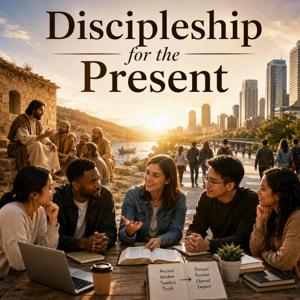


The Book of Deuteronomy often surprises modern readers with its unexpected blend of legal, ethical, and communal mandates. Chapters 12 through 26, in particular, shatter the stereotype of ancient legal codes as mere lists of crimes and punishments. Instead, they present a vibrant, interconnected vision of society where economic, spiritual, and civic life are inseparably woven together.
At the heart of these chapters is a radical vision of community life that defies modern legal compartmentalization. The Israelites, poised on the brink of entering the Promised Land, are given laws that mandate joy and community celebration, such as the second tithe, which functions as a mandated vacation fund. This tithe requires them to spend a portion of their agricultural yield on a communal feast, fostering social cohesion and dismantling the scarcity mindset that breeds isolation and inequality.
The text also addresses the concentration of power, particularly in the anticipated role of a king. Unlike the despotic monarchs of surrounding nations, the Israelite king is bound by a constitution that limits military, diplomatic, and economic power, ensuring he remains a brother among his people rather than a supreme overlord. This is a breathtakingly modern concept of rule of law, where the king is subject to the same statutes as the poorest farmer.
Moreover, Deuteronomy's laws on debt and labor reveal a profound commitment to economic dignity. The seven-year release of debts and the mandated economic rehabilitation of servants reflect a society striving to prevent permanent underclasses and ensure that even the most vulnerable can restart their lives with dignity.
In a world where personal property rights often eclipse communal responsibility, the laws of Deuteronomy demand proactive neighborliness. From the construction of roof battlements to the maintenance of roads leading to cities of refuge, the text insists on a community that actively safeguards the vulnerable.
Yet, these chapters also confront us with difficult, seemingly draconian laws that challenge our modern sensibilities. By contextualizing these within their historical framework, we uncover a trajectory of justice that bends toward mercy and protection of the weak, urging us to examine our own era's entrenched systems with a critical eye.
In This Episode
* The unexpected joy and community focus in Deuteronomy's legal code
* How the second tithe fosters social cohesion and dismantles scarcity mindsets
* The radical limitations placed on the power of Israelite kings
* Economic dignity through debt release and servant rehabilitation
* The proactive neighborliness mandated by laws on roof battlements and cities of refuge
* The historical context of seemingly harsh laws and their trajectory toward justice
* The challenge of translating ancient wisdom into modern empathy and justice
* The call to break cultural norms to become sanctuaries for the oppressed
Practical Reflection
1. How do you institutionalize joy in your life, ensuring you celebrate with those who can offer nothing in return?2. When achieving success, do you have a personal liturgy that reminds you of your humble beginnings to prevent arrogance?3. Where in your life are you currently hiding yourself from others' struggles, and how can you build battlements to protect the vulnerable?
Suggested Substack Excerpt
Deuteronomy's chapters 12 through 26 reveal a society built on joy, justice, and radical empathy. This episode explores how these ancient laws challenge modern assumptions about power, community, and responsibility, urging us to become sanctuaries for the oppressed.
AI Disclosure
This episode was created using Google NotebookLM Audio Overview, based on human-curated source material, structured guidance, and editorial review. AI is used as a tool for clarity and delivery, not as a replacement for thoughtful study or engagement with the original texts.
Copyright
© 2026 Wisdom for the Present / Kamashcu Production Studios. All rights reserved.
In the latest episode of Wisdom for the Present, we explore the profound insights of Deuteronomy chapters 5 through 11, revealing a survival guide not for the wilderness, but for the perils of prosperity. As the Israelites stand on the brink of entering the Promised Land, Moses delivers a powerful address, warning them of the dangers that come with unprecedented success. This text challenges modern assumptions, flipping the script on survival by focusing on the spiritual and psychological pitfalls of abundance.
Moses begins by anchoring the Israelites in their shared history, reminding them of the terrifying encounter at Mount Sinai. This fear, far from being a lack of faith, is praised as a recognition of human limitations and the need for mediated grace. The episode delves into the psychological nuance of this fear, exploring how it fosters a deep consciousness of human flaws and the necessity of divine intervention.
The narrative then shifts to the repetition of the Ten Commandments, highlighting a significant change in the rationale for the Sabbath. No longer just a reflection of creation, the Sabbath becomes a mechanism of liberation, a radical declaration against the hustle culture mindset. This ancient anti-hustle manifesto insists that human worth is not tied to economic output, a lesson desperately needed in today's world.
As Moses recounts the history of the Israelites, he warns against the dangers of spiritual amnesia that prosperity can bring. The episode examines the cognitive dissonance of attributing success solely to personal merit, ignoring the unseen currents of grace that underpin every achievement. The discipline of gratitude, especially at moments of fullness, is presented as a countermeasure to the arrogance of the ego.
The episode also tackles the difficult passages of holy war, applying critical historical discernment to extract enduring wisdom. The mandate for destruction is contextualized as a necessary ideological quarantine, preserving the unique monotheistic witness of Israel against the moral decay of Canaanite practices. This internal ruthlessness is juxtaposed with a call for radical external empathy, transforming past trauma into a mandate for compassion.
Finally, Moses presents the ultimate choice between the blessings of humility and the curses of self-reliance. The geographical metaphor of Mount Gerizim and Mount Ebal becomes a permanent reminder of human agency and the profound consequences of our choices. In this ancient survival manual, the ultimate tool for thriving in prosperity is the realization that true survival is never a solitary endeavor.
In This Episode
* How Deuteronomy 5-11 flips the survival guide narrative from wilderness to prosperity
* The fear at Sinai as a recognition of human limitations and the need for mediated grace
* The shift in Sabbath rationale from creation to liberation as an anti-hustle manifesto
* The dangers of spiritual amnesia and the discipline of gratitude in moments of fullness
* Contextualizing the mandate for holy war as an ideological quarantine
* The tension between internal ruthlessness and radical external empathy
* The choice between the blessings of humility and the curses of self-reliance
* The geographical metaphor of Mount Gerizim and Mount Ebal as a reminder of human agency
Practical Reflection
1. Where in your life are you attributing success solely to your own merit, ignoring the unseen currents of grace?2. What are the modern idols in your life that you need to ruthlessly dismantle to maintain your integrity?3. How can you transform your past trauma into a mandate for compassion and empathy towards others?
Suggested Substack Excerpt
Deuteronomy chapters 5-11 offer a survival guide for prosperity, challenging modern assumptions about success and self-reliance. This episode explores the psychological and spiritual pitfalls of abundance, the radical declaration of the Sabbath, and the transformative power of gratitude and empathy.
AI Disclosure
This episode was created using Google NotebookLM Audio Overview, based on human-curated source material, structured guidance, and editorial review. AI is used as a tool for clarity and delivery, not as a replacement for thoughtful study or engagement with the original texts.
Copyright
© 2026 Wisdom for the Present / Kamashcu Production Studios. All rights reserved.
Before the Israelites could enter the Promised Land, they faced a farewell speech that shattered expectations. Unlike the nostalgic, comforting goodbyes we often imagine, Moses delivered a blistering, urgent survival guide to a new generation standing on the brink of an unknown future. This episode of "Wisdom for the Present" delves into the first four chapters of Deuteronomy, where Moses confronts the Israelites with their history of fear, failure, and the need for faith.
Moses stands before a generation that never saw Egypt, never walked through the Red Sea, and never stood at Mount Sinai. They are the children of those who perished in the wilderness, and Moses has one final chance to prepare them for the monumental task ahead. He begins by recounting the disaster at Kadesh Barnea, where an 11-day journey turned into a 38-year death march due to fear and doubt. The spies' report, driven by unbelief, led to paralysis and rebellion, a lesson in the cost of demanding sight over faith.
As Moses recounts these events, he also addresses the burden of leadership, the necessity of justice, and the importance of knowing which battles to fight. He implements a revolutionary system of delegation to manage the immense society, emphasizing impartiality and justice for all, including the marginalized. This episode explores how these ancient insights challenge modern leadership and decision-making.
Moses' narrative shifts to the end of the 38 years, where the Israelites must navigate through foreign territories with respect and restraint. The command to avoid conflict with Edom, Moab, and Ammon underscores the importance of respecting boundaries and knowing which giants are truly yours to fight. The victories over Sihon and Og demonstrate the courage needed to face formidable obstacles, while the concept of harem raises challenging questions about divine justice and moral corruption.
Finally, Moses confronts the ultimate no from God, accepting that he will not enter the Promised Land. Instead, he pours his energy into empowering Joshua, demonstrating the grace of succession and the importance of legacy. The episode concludes with a powerful warning against idolatry, urging listeners to remember their own deliverance and pass wisdom to future generations.
In This Episode
* The unexpected intensity of Moses' farewell speech and its relevance today
* The disaster at Kadesh Barnea and the cost of demanding sight over faith
* The burden of leadership and the necessity of impartial justice
* Respecting boundaries and knowing which battles are yours to fight
* The victories over Sihon and Og and the challenge of divine justice
* Moses' acceptance of God's no and the grace of succession
* The warning against idolatry and the importance of remembrance
* The challenge of maintaining faith and integrity in everyday life
Practical Reflection
1. Where are you demanding more data when you already know the right action to take?2. Who is the Joshua in your sphere of influence that you need to empower?3. Are you actively transmitting your hard-won wisdom to the next generation?
Suggested Substack Excerpt
Moses' farewell speech in Deuteronomy shatters modern expectations of a comforting goodbye. Instead, it offers a survival guide for a new generation, confronting them with their history of fear and the need for faith. This episode explores the cost of demanding sight over faith, the burden of leadership, and the importance of legacy.
AI Disclosure
This episode was created using Google NotebookLM Audio Overview, based on human-curated source material, structured guidance, and editorial review. AI is used as a tool for clarity and delivery, not as a replacement for thoughtful study or engagement with the original texts.
Copyright
© 2026 Wisdom for the Present / Kamashcu Production Studios. All rights reserved.
In the final chapters of the Book of Numbers, we witness a profound transformation from wandering refugees to a society on the brink of nationhood. As the Israelites stand on the plains of Moab, they face the daunting task of building a civilization from the ashes of a generation lost to the desert. This episode of "Wisdom for the Present" explores Numbers 26-36, a pivotal moment where survival gives way to the architecture of a new society.
The episode opens with the second census, a demographic survey that reveals the scars of past rebellions and the potential for future growth. The stark contrast between the tribes of Manasseh and Simeon illustrates how leadership and cultural behavior can lead to either flourishing or collapse. This census is not just a list of names; it is a ledger of consequence and a blueprint for equitable land distribution.
We delve into the story of the daughters of Zelophehad, whose audacious demand for inheritance rights challenges the patriarchal norms of their time. Their case sets a precedent for justice and reveals a legal system capable of adapting to protect the vulnerable. This narrative underscores the importance of listening to marginalized voices and adjusting institutional frameworks to ensure equity.
The episode also tackles the dark and difficult narrative of the war against Midian, a story that tests our modern sensibilities. By examining the theological and philosophical underpinnings, we extract the enduring wisdom of radical separation from toxic influences. This ancient narrative serves as a metaphor for the necessity of cutting ties with destructive behaviors and systems.
As we move into the establishment of the cities of refuge, we explore a revolutionary legal structure that balances justice with mercy. These cities act as a circuit breaker in the cycle of violence, offering sanctuary to those who commit unintentional harm. The narrative challenges us to consider how our modern institutions handle failure and whether we provide spaces for redemption.
Finally, the episode reflects on the transition of leadership from Moses to Joshua, highlighting the importance of succession planning and the humility required to ensure the stability of future generations. The meticulous catalog of feasts and sacrifices underscores the need for grounding routines amidst chaos, emphasizing that identity is preserved through disciplined rhythms.
In This Episode
* The transformative pivot from survival to statecraft in Numbers 26-36
* The second census as a ledger of consequence and a blueprint for land distribution
* The daughters of Zelophehad and the precedent for justice in a patriarchal society
* Radical separation from toxic influences as illustrated by the war against Midian
* The cities of refuge as a revolutionary legal structure balancing justice and mercy
* The transition of leadership from Moses to Joshua and the importance of succession planning
* The grounding rhythms of feasts and sacrifices amidst impending chaos
* The enduring wisdom of balancing individual zeal with communal accountability
Practical Reflection
1. Where in your life do you need to enact a radical separation from toxic influences or behaviors?2. How can you ensure that your commitments and vows are aligned with your responsibilities to those around you?3. In what ways can you contribute to creating spaces of refuge and redemption within your community or organization?
Suggested Substack Excerpt
As the Israelites stand on the brink of nationhood, Numbers 26-36 reveals a blueprint for justice, leadership, and societal stability. This episode explores the transformative pivot from wandering to statecraft, highlighting the enduring wisdom of balancing individual zeal with communal accountability.
AI Disclosure
This episode was created using Google NotebookLM Audio Overview, based on human-curated source material, structured guidance, and editorial review. AI is used as a tool for clarity and delivery, not as a replacement for thoughtful study or engagement with the original texts.
Copyright
© 2026 Wisdom for the Present / Kamashcu Production Studios. All rights reserved.
The Book of Numbers, chapters 11 through 25, offers a profound exploration of human nature under duress, revealing our tendency to romanticize the past and resist the unknown. Imagine surviving a brutal dictatorship, experiencing miraculous liberation, only to find yourself yearning for the predictability of past oppression. This episode of "Wisdom for the Present" delves into the Israelites' journey through the wilderness—a harsh, barren landscape that becomes a psychological crucible for growth and transformation.
We begin with the Israelites' nostalgia for Egypt, where they long for the familiar comforts of their enslavement, despite the miraculous provision of manna. This craving for the past highlights a universal human tendency to prefer the certainty of misery over the anxiety of freedom. In a modern context, this reflects our inclination to remain in toxic situations simply because they are predictable.
As the narrative unfolds, we witness Moses' leadership fatigue and the divine response to structural burnout. The introduction of 70 elders to share the burden underscores the importance of delegation and community support in leadership. Yet, the Israelites' insatiable cravings lead to a devastating plague, illustrating the natural consequences of unchecked desires.
The episode further explores the rebellion of Miriam and Aaron, driven by jealousy and disguised as moral critique. Moses' meekness—power under control—serves as a model for handling envy and maintaining integrity. The narrative then shifts to the infamous report of the 12 spies, where fear and self-doubt prevent the Israelites from entering the Promised Land. This "grasshopper complex" warns against allowing insecurities to dictate our actions and limit our potential.
Korah's rebellion against Moses and Aaron reveals the dangers of cloaking personal ambition in the language of equality. The subsequent divine judgment emphasizes the importance of recognizing genuine leadership and avoiding the pitfalls of envy and power struggles.
Finally, the episode examines the Israelites' susceptibility to internal moral compromise, as seen in the incident with Balaam and the Moabite women. Despite being protected from external curses, the Israelites fall prey to their own desires, leading to catastrophic consequences. This serves as a stark reminder that our greatest vulnerabilities often lie within.
In This Episode
* The Israelites' toxic nostalgia for Egypt and its modern parallels
* Moses' leadership fatigue and the divine response to burnout
* The devastating consequences of unchecked cravings and desires
* Miriam and Aaron's rebellion and the dangers of envy
* The "grasshopper complex" and its impact on self-perception
* Korah's rebellion and the pitfalls of cloaked ambition
* The Israelites' internal moral compromise and its consequences
* Balaam's failed curse and the Israelites' vulnerability to internal threats
Practical Reflection
1. Where in your life are you romanticizing your own Egypt, ignoring the daily blessings and freedoms you've fought for?2. Do you suffer from the grasshopper complex, projecting insecurities onto your obstacles and limiting your potential?3. Are you focusing on external threats while ignoring the internal habits that may be undermining your foundation?
Suggested Substack Excerpt
The Book of Numbers reveals the Israelites' struggle with nostalgia, fear, and internal rebellion. This episode explores how unchecked desires and self-doubt can hinder personal growth and fulfillment, urging listeners to confront their own internal Egypts.
AI Disclosure
This episode was created using Google NotebookLM Audio Overview, based on human-curated source material, structured guidance, and editorial review. AI is used as a tool for clarity and delivery, not as a replacement for thoughtful study or engagement with the original texts.
Copyright
© 2026 Wisdom for the Present / Kamashcu Production Studios. All rights reserved.
Most of us might dismiss the Book of Numbers as a dry, bureaucratic account of ancient censuses and camp layouts. Yet, the opening chapters reveal a profound blueprint for organizing human life amidst chaos. Imagine standing amidst two million people in the Sinai Peninsula, a year after escaping brutal slavery in Egypt. The euphoria of freedom has faded, and the Israelites face the daunting task of becoming a cohesive nation.
The episode begins by unpacking the seemingly mundane census in Numbers 1. Far from mere bureaucracy, this count serves as tangible proof of a divine promise fulfilled: the descendants of Abraham have multiplied from 75 individuals to a nation of millions. This census is not just about numbers; it's a restoration of individual dignity, recognizing each person by name—a stark contrast to their dehumanizing past in Egypt.
The narrative then shifts to the camp's physical layout in Numbers 2. The tribes are meticulously arranged around the tabernacle, the divine presence at the center. This design is more than logistical; it dictates the community's mental architecture, ensuring that every aspect of life revolves around their core spiritual values. This ancient layout challenges us today: what occupies the center of our lives? Is it anxiety, ambition, or something more profound?
As we delve deeper, the focus moves to the Levites in Numbers 3 and 4, whose roles are akin to a corporate restructuring. Their tasks are distributed with precision, highlighting the importance of proportional resourcing. The sacred objects they carry symbolize the core values that cannot be outsourced or delegated, a lesson for modern leadership.
Numbers 5 introduces laws of restitution and the controversial Trial of Jealousy, revealing the text's complex approach to justice and suspicion. The Nazirite vow in Numbers 6 offers a model for radical focus, akin to modern practices like dopamine detoxes. Finally, the priestly blessing encapsulates the ultimate goal: peace, or shalom, a state of wholeness and harmony.
This episode challenges us to examine our life's architecture, ensuring our systems and values align with our ultimate purpose. As the Israelites prepare to journey into the wilderness, their story reminds us that perfect systems don't guarantee perfect behavior, but they provide a framework for recovery and resilience.
In This Episode
* The Book of Numbers as a masterclass in organizing human life amidst chaos
* The census as a restoration of dignity and fulfillment of divine promise
* The camp layout as a reflection of core spiritual values
* The Levites' roles as a lesson in proportional resourcing and leadership
* The Trial of Jealousy and its protective mechanism against domestic violence
* The Nazirite vow as a model for radical focus and intentional living
* The priestly blessing and the pursuit of shalom
* The importance of aligning life's architecture with core values
* The Israelites' journey as a reminder of human nature's challenges to perfect systems
Practical Reflection
Where in your life is anxiety or ambition occupying the center, dictating your daily routine?
What core values or sacred elements are you trying to outsource or delegate, rather than carrying them yourself?
How can you create a framework for recovery and resilience when life's chaos scatters your plans?
Suggested Substack Excerpt
In the opening chapters of Numbers, we find a profound blueprint for organizing human life amidst chaos. From the census restoring dignity to the camp's layout reflecting core values, this episode explores how ancient wisdom can guide our modern lives in aligning systems with purpose.
AI Disclosure
This episode was created using Google NotebookLM Audio Overview, based on human-curated source material, structured guidance, and editorial review. AI is used as a tool for clarity and delivery, not as a replacement for thoughtful study or engagement with the original texts.
Copyright
© 2026 Wisdom for the Present / Kamashcu Production Studios. All rights reserved.
In the heart of Leviticus, a book often overlooked and misunderstood, lies a radical blueprint for societal and personal transformation. This episode of "Wisdom for the Present" delves into the holiness code found in Leviticus chapters 17 through 27, revealing a profound, ancient framework for human flourishing that challenges modern assumptions about economics, justice, and community.
Imagine a society that mandates rest for the land every seven years, forgives all debts every fifty years, and insists on leaving the corners of fields unharvested for the poor and the stranger. This is not a utopian fantasy but a three-thousand-year-old reality. The holiness code's radical economic and social laws are not just relics of the past but offer enduring wisdom for today's world, where wealth inequality and environmental degradation are pressing concerns.
The episode begins by exploring the sanctity of life through the lens of ancient Israel's sacrificial system. The prohibition against consuming blood underscores a deep reverence for life, demanding that even in death, life is honored. This ancient practice challenges modern detachment from the origins of our food and the invisible violence of industrialized consumption.
As the discussion unfolds, we see how the holiness code extends beyond the altar to the marketplace and the home. The laws of gleaning and timely wages protect the vulnerable, ensuring dignity and fairness in economic transactions. The text's insistence on just weights and measures speaks directly to modern issues of corporate ethics and consumer trust.
In a culture obsessed with personal autonomy, the episode tackles the controversial sexual ethics of Leviticus, reframing them as protective guardrails rather than oppressive cages. The ancient laws aim to safeguard the family structure and prevent the exploitation of the vulnerable, offering a counter-narrative to the modern celebration of boundary-less freedom.
The episode also highlights the psychological and spiritual significance of sacred time. The Sabbath and the Jubilee year disrupt the relentless grind of production and consumption, reminding us that true freedom includes the ability to rest and reflect.
Finally, the episode closes with a powerful reflection on personal integrity. The valuation of vows in Leviticus 27 underscores the importance of keeping one's word, a principle that underpins the trust necessary for any society to thrive.
In This Episode
* The radical societal blueprint of Leviticus and its relevance to modern issues of wealth inequality and environmental stewardship
* The sanctity of life and the prohibition against consuming blood as a challenge to modern detachment from food origins
* The laws of gleaning and timely wages as mechanisms for economic justice and dignity
* The enduring wisdom of just weights and measures in the context of modern corporate ethics
* Reframing Levitical sexual ethics as protective guardrails for family and community
* The psychological and spiritual significance of the Sabbath and Jubilee as disruptions to modern burnout culture
* The profound challenge of personal integrity in the valuation of vows
* The blessings and curses of Leviticus 26 as natural consequences of societal obedience or disobedience
Practical Reflection
Where are the corners of your field that you can leave unharvested for others?
How does your modern economic footprint measure up to the ancient standard of justice and dignity?
What does a genuine Sabbath look like in your life, and how can it help you remember your humanity?
Suggested Substack Excerpt
In the often-overlooked book of Leviticus lies a radical blueprint for societal transformation. This episode explores the holiness code as a profound framework for justice, dignity, and community, challenging modern assumptions about wealth, rest, and personal integrity.
AI Disclosure
This episode was created using Google NotebookLM Audio Overview, based on human-curated source material, structured guidance, and editorial review. AI is used as a tool for clarity and delivery, not as a replacement for thoughtful study or engagement with the original texts.
Copyright
© 2026 Wisdom for the Present / Kamashcu Production Studios. All rights reserved.
In the book of Leviticus, chapters 11 through 16, we are invited into a world where the physical and spiritual realms are inseparably intertwined. This episode of "Wisdom for the Present" explores how these ancient texts, often dismissed as archaic rulebooks, offer profound insights into identity, community, and the human condition.
The dietary laws in chapter 11 are not merely primitive health codes but a sophisticated mechanism of cultural identity. By forbidding the consumption of animals venerated by neighboring cultures, the Israelites reinforced their distinct covenantal identity. This ancient practice challenges us today to consider how our consumption—of food, media, and ideas—shapes our identity and community.
The laws surrounding childbirth in chapter 12, often perceived as misogynistic, are reinterpreted as an ancient form of maternity leave, providing new mothers with a protected period of rest and recovery. This perspective critiques our modern culture's failure to honor life transitions and underscores the necessity of setting boundaries for healing.
Chapters 13 and 14 delve into the contagion of corruption, using the metaphor of leprosy to illustrate how unchecked moral compromise can spread and isolate individuals from their communities. The cleansing rituals, rich in symbolism, offer a blueprint for personal and organizational renewal, emphasizing the need to address systemic rot before it becomes irreparable.
Chapter 15's focus on bodily discharges highlights the interconnectedness of physical and spiritual health, urging us to respect our mortal limits and recognize the impact of our physical state on our mental and spiritual well-being.
Finally, chapter 16's Day of Atonement presents a powerful psychological framework for dealing with guilt and reconciliation. The ritual of the scapegoat, far from evading responsibility, provides a mechanism for communal and personal release, challenging our modern tendency to hold onto grudges and past mistakes.
In This Episode
* The intertwined nature of the physical and spiritual in Leviticus
* Dietary laws as a mechanism of cultural identity and separation
* Reinterpreting childbirth laws as ancient maternity leave
* The metaphor of leprosy for moral corruption and isolation
* Cleansing rituals as a blueprint for renewal and reintegration
* The connection between physical health and spiritual readiness
* The Day of Atonement as a framework for guilt and reconciliation
* The psychological and communal significance of the scapegoat ritual
* The necessity of setting boundaries for healing and recovery
* The enduring wisdom of bearing others' burdens for true community healing
Practical Reflection
1. How does your consumption—whether of food, media, or ideas—shape your identity and community?2. Do you allow yourself the necessary time and space to heal after major life transitions?3. What is your personal mechanism for acknowledging failure, feeling its cost, and truly letting it go?
Suggested Substack Excerpt
Leviticus 11-16 challenges modern assumptions by intertwining the physical and spiritual, offering insights into identity, community, and the human condition. This episode explores dietary laws, childbirth, leprosy, and the Day of Atonement, revealing profound wisdom for personal and communal renewal.
AI Disclosure
This episode was created using Google NotebookLM Audio Overview, based on human-curated source material, structured guidance, and editorial review. AI is used as a tool for clarity and delivery, not as a replacement for thoughtful study or engagement with the original texts.
Copyright
© 2026 Wisdom for the Present / Kamashcu Production Studios. All rights reserved.
In the heart of Leviticus, chapters 8, 9, and 10 unfold a narrative that is both ancient and startlingly relevant. This episode of "Wisdom for the Present" delves into the profound emotional and spiritual journey of Aaron and his sons as they step into the priesthood. The text begins with a public ordination, a spectacle designed to legitimize Aaron’s authority in the eyes of a newly liberated, deeply suspicious nation. As Moses gathers the entire congregation, the psychological weight of leadership becomes palpable. The intricate rituals of washing and dressing Aaron in sacred garments symbolize a total transformation, stripping away his past and marking him with the indelible scent of divine responsibility.
The narrative crescendos with the miraculous fire of divine validation, only to pivot sharply into tragedy as Aaron's sons, Nadab and Abihu, fall victim to their own arrogance. Their offering of "strange fire" serves as a cautionary tale about the dangers of presumption and the necessity of reverence. This ancient story challenges modern listeners to consider where they might be bypassing the hard work of preparation in favor of shortcuts, risking the integrity of their own pursuits.
Amidst the tragedy, Aaron's silent submission and the subsequent divine prohibition against intoxicants underscore the necessity of clear-headed leadership. The episode concludes with a powerful reflection on the importance of discerning intent, distinguishing between mistakes born of arrogance and those arising from genuine human frailty. This narrative invites listeners to cultivate wisdom and grace in their own lives, recognizing the profound impact of leadership that is both humble and discerning.
In This Episode
* The transformative power of public ordination and its role in establishing leadership legitimacy
* The intricate symbolism of Aaron's sacred garments and the weight of leadership
* The miraculous fire of divine validation and its modern parallels
* The tragic downfall of Nadab and Abihu and the dangers of presumption
* Aaron's silent submission and the role of grief in leadership
* The prohibition against intoxicants and the importance of clear-headed judgment
* The distinction between the letter and spirit of the law in leadership
* The necessity of discerning intent and exercising grace in leadership
* The challenge of avoiding shortcuts and maintaining reverence in modern pursuits
Practical Reflection
1. Where in your life are you tempted to bypass the hard work of preparation in favor of shortcuts?2. How do you discern between mistakes made out of arrogance and those arising from genuine human frailty?3. In what areas of your life do you need to cultivate a clearer, more reverent approach to leadership and responsibility?
Suggested Substack Excerpt
In Leviticus 8-10, the narrative of Aaron's ordination and his sons' tragic downfall offers a profound exploration of leadership, reverence, and the dangers of presumption. This episode unpacks the ancient rituals and their modern implications, inviting listeners to reflect on the integrity of their own pursuits.
AI Disclosure
This episode was created using Google NotebookLM Audio Overview, based on human-curated source material, structured guidance, and editorial review. AI is used as a tool for clarity and delivery, not as a replacement for thoughtful study or engagement with the original texts.
Copyright
© 2026 Wisdom for the Present / Kamashcu Production Studios. All rights reserved.
In the opening chapters of Leviticus, we encounter a text that challenges our modern sensibilities with its vivid depictions of ancient sacrificial rituals. Far from the philosophical purity we might expect from ancient wisdom, Leviticus 1-7 reads more like a detailed manual of ritualistic butchery. Yet, beneath the visceral imagery lies profound insights into human nature, leadership, and community.
The Israelites, newly liberated from Egyptian slavery, are given a system of sacrifices that serve as both a spiritual and psychological framework. These rituals are not primitive echoes of a bygone era but rather a sophisticated system designed to teach lessons about pride, responsibility, and the cost of forgiveness. The burnt offering, for example, symbolizes total dedication and surrender, requiring the worshipper to physically connect with the sacrifice, acknowledging personal guilt and responsibility.
The meal offering, devoid of blood, represents the dedication of one's labor and skills, emphasizing sincerity and integrity over ego and superficiality. The peace offering introduces a communal aspect, where blessings must be shared, fostering community and preventing hoarding. The sin offering addresses unintentional wrongs, highlighting the need for leaders to bear greater responsibility for their actions. Finally, the trespass offering underscores the importance of restitution and the economics of forgiveness.
These ancient practices reveal timeless truths about human dynamics, urging us to examine our own lives for areas where we might be puffed up with pride or seeking instant gratification. They challenge us to maintain the eternal flame of our core values through daily reflection and renewal.
In This Episode
* The visceral reality of Leviticus as a manual of ancient butchery
* The burnt offering as a symbol of total dedication and personal responsibility
* The meal offering's emphasis on sincerity and integrity over ego
* The peace offering's role in fostering community and preventing hoarding
* The sin offering's focus on unintentional wrongs and leadership accountability
* The trespass offering and the economics of forgiveness
* The priestly duties and the profound symbolism of blood
* The psychological and spiritual implications of ancient sacrificial rituals
* The typological connections between Leviticus and New Testament theology
* The challenge of maintaining integrity and accountability in modern life
Practical Reflection
1. Where in your life are you allowing pride or ego to inflate your sense of self-worth?2. How can you ensure your daily actions are salted with genuine integrity rather than seeking instant gratification?3. In what ways can you introduce tangible acts to make your gratitude, apologies, and commitments real?
Suggested Substack Excerpt
Leviticus 1-7 confronts us with a world of ritualistic sacrifice that challenges modern sensibilities. Yet, beneath the visceral imagery lies profound insights into human nature, leadership, and community. This episode explores the ancient sacrificial system as a framework for understanding pride, responsibility, and the cost of forgiveness.
AI Disclosure
This episode was created using Google NotebookLM Audio Overview, based on human-curated source material, structured guidance, and editorial review. AI is used as a tool for clarity and delivery, not as a replacement for thoughtful study or engagement with the original texts.
Copyright
© 2026 Wisdom for the Present / Kamashcu Production Studios. All rights reserved.
From the publisher's feed