
Sign up to save your podcasts
Or



In 1940, the first radio show with a live band aired. The band played hits, and the host spoke to fans. It was a big hit and showed how radio could bring music to all.
In 1922, the first radio ad aired on a New York station. It was for a real estate firm, and the ad lasted 10 minutes. This marked the start of radio as a place for ads, which would soon grow into a big part of the medium.
In 1920, the first radio news hit the air. A station in Pittsburgh aired the results of a big vote. It was the first time many folks heard news live on the radio, and it changed how people got info.
In 1927, the U.S. set rules for radio. The rules helped make stations fair and clear. It led to the start of the FCC. This was key in making radio a big tool for news and shows.
In 1920, the first commercial radio station in the United States, KDKA in Pittsburgh, began broadcasting. It was founded by Frank Conrad, an engineer at Westinghouse, and its inaugural broadcast was the results of the presidential election between Warren G. Harding and James M. Cox. KDKA success helped pave the way for the rise of commercial radio networks and the idea of radio as a widespread medium for entertainment and news. It marked the beginning of radios role as a powerful tool for communication.
In 1938, one of the most famous radio broadcasts in history occurred= Orson Welles= War of the Worlds. This radio drama, based on H.G. Wells novel, was broadcast on Halloween night and was presented in a format that made it sound like real news reports of an alien invasion. Many listeners, not realizing it was fictional, panicked, thinking that an actual Martian invasion was happening. The broadcast caused widespread fear and is often cited as one of the most dramatic demonstrations of radio power to influence public perception.
Reginald Fessenden made the first ever voice and music radio broadcast. On Xmas Eve, 1906, Fessenden tx from MA using AM. Instead of Morse code, he played O Holy Night on the violin, read a Bible verse, and spoke to ships at sea. This was a groundbreaking moment before that, wireless communication was just dits and dahs. Sailors who expected Morse code were shocked to hear an actual human voice over their rx. This event marked the beginning of radio broadcasting as we know it today
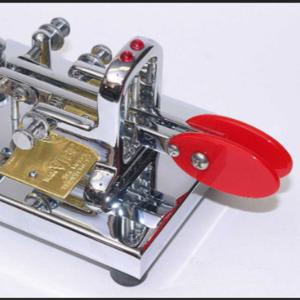
Learn fast. Morse is key. Dits and dahs send words quick. Tap each one. Hear the code. Know each sign. Work each day. Stay on pace. Send a name, send a note. Keep at it. Time will help. Sound is key. Dits are short, dahs are long. Copy well. Write it fast. Hear and tap. Air and sea use this too. Old but strong. Code will last. Try each day. Work on it. Stay on track. Fast is good. Slow is fine. Each bit counts. Dits then dahs. Note each one. Morse is clear. Calls go far. Stay sharp. Keep on. Tap, send, go.
84J20 C6IP1 9T?PF 61,IB X7CMB
3Z,3I EVD98 BB0/7 C?B6Q 2U4H4
V08K7 ?25TQ YN0W8 ACDHU XXXBL
JI/LG 2Q?8U 730X1 3L,U3 DWRC=
?,ST5 DU54/ FL3D4 1Y6XY XC9DY
I0,S6 53WMX VSFC5 KG/7, 9T?PF
2V=LI 4D4=/ IP0Z8 =L76R 086?F
X33CB X1H=1 7TET6 HUJPH X,1IA
Z96BM G=701 .14ZT 3.CZD 7Y6ZH
V6F/B /C?2A ?DN=E HGO3P H/0L1
1E5/8 6.HWY .5WGY F2X37 8?NH9
J6,VD MB2FM 9AF.O 5V9SV 8TK1Y
6,BI3 1/CE5 NN6GO 8G/FT 7TET6
X1P84 XKSGH 6H?84 Q1IV1 LMX8
From the publisher's feed