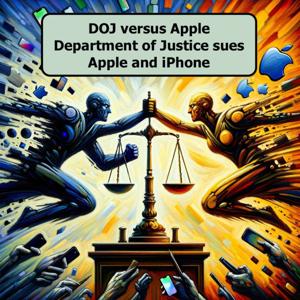
In a significant development in the antitrust landscape, a U.S. federal judge has denied Apple's motion to dismiss a major antitrust lawsuit filed by the U.S. Department of Justice. The ruling, issued on June 30, 2025, by U.S. District Judge Julien Neals in New Jersey, allows the DOJ's case against Apple to proceed.
The DOJ's lawsuit, filed fifteen months ago, alleges that Apple has engaged in anticompetitive practices by creating a "walled garden" around its iPhone and other products. This strategy, according to the DOJ, has stifled competition, limited consumer choice, and enabled Apple to charge higher prices. The lawsuit highlights several key areas where Apple is accused of anticompetitive behavior, including blocking whole app categories like cloud gaming apps from the App Store, preventing messaging interoperability, limiting third-party smartwatch functionality, and restricting access to iPhone hardware features such as near field communication (NFC) payments[2][3][5].
Apple had argued that the DOJ's complaint failed to demonstrate anticompetitive conduct, harm to consumers, or that Apple has a monopoly over the U.S. smartphone market. Apple also contended that the DOJ misunderstood the smartphone market and misrepresented facts, which they believed warranted the dismissal of the lawsuit. However, Judge Neals disagreed, stating there is enough evidence to support the government's claims and that the key accusations deserve further examination at trial[1][3][5].
With the dismissal motion denied, the case will now move into the discovery phase, where both Apple and the DOJ will exchange documents, expert testimony, and depositions. Following this, there will be a summary judgment with additional arguments before potentially proceeding to a trial, which is not expected until 2027 at the earliest[1][3][5].
This ruling marks a significant setback for Apple, as it must now prepare to defend its business practices in a lengthy and potentially costly legal battle. For the DOJ, the decision is a major win, allowing them to continue their pursuit of what they see as Apple's monopolistic behaviors.
The ramifications of this case could be far-reaching, potentially impacting not just Apple but the broader tech industry. If the DOJ succeeds in its claims, it could lead to significant changes in how tech companies design and integrate their products and services, promoting greater competition and innovation[2].
As the case progresses, it will be closely watched by industry observers and consumers alike, given its potential to reshape the competitive landscape of the tech sector.
This content was created in partnership and with the help of Artificial Intelligence AI.