
Sign up to save your podcasts
Or

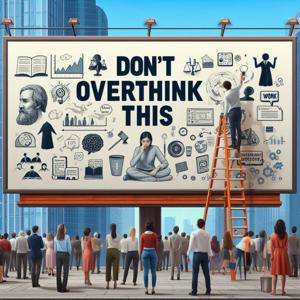


In this episode, Brian Heath and Ross Jackson discuss the dynamics of generational leadership, the implications of capitalism on society, and the rise of populism in politics. They explore the future of political parties, the erosion of trust in global alliances, and the lessons that can be learned from history. The conversation emphasizes the need for a more integrated society that can function amidst disagreement, while also expressing a cautious optimism for the future.Chapters
00:00 Generational Dynamics and Leadership
02:58 The Role of Capitalism in Society
06:09 Populism and Political Power
08:53 The Future of Political Parties
11:50 Global Trust and Economic Stability
15:05 Lessons from History and Future Optimism
In this episode, Brian Heath and Ross Jackson discuss the future of coding in the age of AI, the impact of capitalism on education, and the importance of critical thinking. They explore the limitations of higher education, the potential of self-education, and the role of AI in learning. The conversation emphasizes the need for a human element in education and the challenges posed by the rapid advancement of technology in the workforce.
Chapters
00:00 The Future of Coding and AI
02:47 The Impact of Capitalism on Education
06:04 Higher Education and Critical Thinking
09:10 Self-Education and the Role of AI
14:52 The Human Element in Learning
20:06 Navigating AI: Understanding vs. Ignorance
27:01 The Future of Work and Skills De-skilling
In this episode, Brian and Ross discuss the implications of Trump's cabinet picks, the differences between business and government leadership, the concept of government efficiency, and societal responses to capitalism's inequities. They explore how loyalty often trumps competence in political appointments, the challenges of privatization, and the potential for societal upheaval in response to exploitation.
Chapters
00:00 Trump's Cabinet Picks: Loyalty vs. Competence
08:01 Business Leaders vs. Government Leaders
16:43 Violence and Inequity in Society
22:18 The Breaking Point of Society
35:41 Looking Ahead: Hope for the Future
In this episode of the Don't Overthink This podcast, we delve into the complexities of political perspectives, neutrality, and the implications of recent election results. They discuss the challenges faced by the Democratic Party, the dynamics of working-class perspectives, and the role of education in shaping societal values. The conversation highlights the need for authentic connections across class divides and the importance of addressing the pervasive despair within society.
Chapters
00:00 Introduction
02:30 Analyzing Neutrality and Objectivity
04:03 The Impact of Political Bias
08:11 Election Results and Their Implications
12:16 Coalitions and Class Dynamics
16:44 Democratic Party's Challenges
20:45 Values and Ideologies in Politics
24:11 The Working Class Perspective
26:19 Authenticity in Political Messaging
30:16 Elite Overproduction and Its Effects
33:36 The Pursuit of Fulfillment
45:21 Conclusion and Future Outlook
In this episode of the Don't Overthink This podcast, the hosts delve into the implications of political labels, particularly focusing on Trump's characterization as a fascist. They explore the public's perception of such labels, the role of history in shaping political awareness, and the challenges of objective analysis in a polarized environment. The conversation also touches on the dynamics of political name-calling, the evolving nature of political discourse, and the potential for class awareness to reshape political alliances in the future.
Chapters
00:00 The Fascist Label: Understanding Public Perception
03:10 The Role of History in Political Awareness
06:13 Analytics vs. Subjectivity in Political Discourse
09:13 The Nature of Political Labels and Their Impact
11:47 The Paradox of Self-Identification in Politics
15:09 The Dynamics of Political Name-Calling
18:01 Class Awareness and Political Shifts
20:57 The Future of Analytics in Political Engagement
In this episode, hosts Brian Heath and Ross Jackson delve into the nuances of Gen Z language and pop culture, exploring terms like 'Riz' and 'slaps.' They discuss the generational divide in communication styles, the impact of authority in workplace dynamics, and the implications of AI on the future of work. The conversation also touches on food culture, gossip, and the need to redefine purpose in an increasingly automated world.
Chapters
00:00 Introduction to Gen Z Language
01:38 Understanding Riz and Charisma
03:56 Cultural Context and Communication Gaps
05:43 Food Slang and Personal Preferences
09:27 Generational Differences in Food and Drink
10:41 Spilling Tea and Gossip Culture
12:11 Transition to Boomer Terms
13:03 Authority and Workplace Dynamics
15:51 AI and Its Impact on Work
19:44 The Future of Work and AI
23:08 Redefining Purpose in the Age of AI
26:07 The Predictability of Human Behavior
27:43 Conclusion and Final Thoughts
In this episode, Brian Heath and Ross Jackson delve into the concept of a 'real analyst' versus a traditional analyst, emphasizing the importance of wisdom, philosophical insights, and a broader understanding of the world. They discuss the societal undervaluation of wisdom, the implications of political dynamics, and the historical context of leadership. The conversation also touches on the role of drugs in human development and the nature of analysis, ultimately questioning what it means to be human in a world filled with substances. The episode concludes with thoughts on the future of analysis and the potential for a real analyst book club.
Takeaways
Chapters
00:00 The Essence of Real Analysis
02:47 Wisdom in Society and Organizations
05:57 Political Dynamics and Historical Context
09:04 The Role of Drugs in Human Development
11:59 The Nature of Real Analysts
15:11 The Future of Analysis and Society
Ross Jackson and Brian Heath discuss the concept of social experiments and how they relate to current policies and economic systems. They explore the ethical questions surrounding social experiments and their potential benefits. They also discuss the role of inequality in society and the need to find an optimum level of inequality that motivates individuals while ensuring all members' well-being. They touch on the importance of addressing social barriers and creating equal opportunities for individuals to move up in society. The conversation concludes with a discussion of the Olympics as a case study for competition and the consequences of winning and losing.
Takeaways
00:00 Introduction
00:33 Exploring the Ethics and Benefits of Social Experiments
03:22 Finding the Optimum Level of Inequality in Society
05:39 Addressing Social Barriers and Creating Equal Opportunities
12:20 Minimizing the Consequences of Losing in Competition
30:24 The Ethics of Wealth and the Role of Society
40:01 Competition and its Consequences
42:50 Conclusion
Summary
In this conversation, Brian and Ross discuss their initial understanding of analytics and how it has evolved. They explore the role of analytics in organizations and the challenges of decision-making. They also discuss the influence of leadership and the potential for collective decision-making. Overall, they emphasize the importance of asking critical questions and considering a broader range of factors in analysis and decision-making.
Takeaways
Sound Bites
"Analytics is primarily about helping people think through a problem and come to a solution."
"Analysis can shape, constrain, and inform decisions."
"Analysis unconstrained is philosophy."
Chapters
00:00
Introduction and Initial Understanding of Analytics
07:19
Different Approaches to Analysis: Performance vs. Dialogue
12:47
The Role of Analysis in Organizations: Rhetoric vs. Shaping Decisions
19:07
Starting with Critical Questions: Impact on Decision-Making
24:39
Leadership in Collective Decision-Making: Emergence and Influence
33:04
Conclusion and Call to Action
Brian and Ross discuss their summer travels and reflect on consequential elections in their lifetimes, highlighting Reagan's 1980 election as transformative for politics and economics in the U.S.
They explore the Republican party's shift from a pro-business stance to embracing labor unions like the Teamsters. The conversation delves into philosophical questions about identity and change over time, drawing parallels to challenges in political categorization. The speakers critique the limitations of traditional class distinctions and argue for a more meaningful divide between the working and capitalist classes.
They note the U. S. political landscape is skewed to the right, with Democrats representing a moderate right-wing position.
The pros and cons of voting for third parties are discussed, acknowledging their potential long-term influence. Recent political developments in various countries are covered, including the UK's new labor government and the near-success of a right-wing movement in France. The speakers explore the structural issues in representative democracy that prevent elected officials from truly representing the people's will, favoring the capitalist class instead.
They highlight how the capped number of U. S. representatives, due to the physical constraints of the Capitol building, has led to a lack of proportional representation and serves the interests of the wealthy and powerful.
The dignity and economic security of the American working class are emphasized as crucial issues that need more focus from politicians and policymakers.
From the publisher's feed