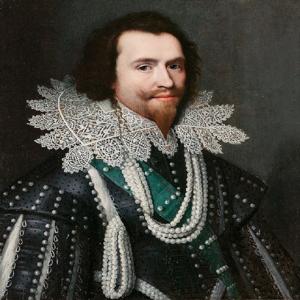
As Charles turns away from parliaments, political influence shifts to a small group of people surrounding the King at court. These personalities, and their conflicts with one another, determine English politics for the next decade.
Facing insurrection in parliament, and riots throughout the kingdom, Charles suspects a co-ordinated conspiracy against his regime. A lengthy investigation uncovers troubling opposition to this rule.
Parliament reconvenes, in the hopes that the removal of Buckingham will solve the political problems of the past decade. However, the divisions in society run deeper than one man.
In an effort to provide for the war-time defence of Ireland, Charles enters into negotiations with the Old English Catholics. A settlement emerges in the form of limited toleration for Catholics in exchange for a locally raised (and funded) army.
With parliamentary subsidies in hand, and favourable diplomatic circumstances in Europe, Charles and Buckingham finally see light at the end of the tunnel.
Charles comes to a tentative agreement with his subjects. Parliament agrees to provide war funding in exchange for the King's acceptance of the Petition of Right (a declaration of the rights enjoyed by all English subjects).
The moderates on the Privy Council attempt to reconcile King and parliament, through a bill clarifying the rights of English subjects. Success depends on their ability to manage parliament.
While the Duke of Buckingham wages war in France, the Forced Loan has its day in court. A group of 5 loan refusers dispute the King's right to detain them without charge, hoping to test the legality of extra-parliamentary taxation before the law.