
Sign up to save your podcasts
Or

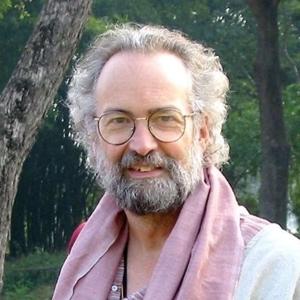


The Buddha described the awareness jhānas as a map of how the mind-heart unfolds from ordinary awareness to full awakening and the end of suffering. By following his guidance, these stages are more accessible than we might imagine.
This episode with Doug Kraft was recorded at a retreat given at the Auburn Mercy Center in November 2015.
Support the show
Within our greatest vulnerabilities lie our greatest gifts. Angulimala was a serial killer and a healer. The Buddha showed him how to find within his deepest confusion the path to full awakening. There are lessons here for all of us.
This episode with Doug Kraft was recorded at a retreat given at the Auburn Mercy Center in November 2015.
Support the show
Buddha’s Map, Chapter 2, “Beginnings,” read by Daniel Cohen: The Buddha’s instructions came in the form of meditation practices. One of the practices he talked about most has two aspects: loving-kindness (mettā) and insight (vipassanā). They aren’t separate or even sequential practices. Rather, both are done at the same time and are intended to be integrated together. The Buddha described this path in stages (or jhānas).
This audio chapter is taken from the book Buddha's Map, written by Doug Kraft.
Support the show
The 6Rs are a tool for meditation. In meditation, there is nothing actively to be done but deepen awareness. But in life in the world, sometimes we must engage actively. The 7Rs add an extra step that allows the 6Rs to be bought into an active life. On the last day of the retreat we discuss the 7Rs and 6 precepts in everyday life.
Support the show
With compassion, the place where the rubber meets the road is when someone who is suffering has done something wrong to bring it on themselves. The place where self-compassion is most difficult is when we are hurting because of something we’ve done wrong. To go deeply into compassion we must go deeply into forgiveness. And forgiveness without confession is tepid. So on the last evening of this retreat, before returning to our lives in the world, this talk explores compassion, confession, and forgiveness.
Support the show
If suffering is the illness, the Buddha's diagnosis is sobering: the disease is incurable. Anguish is an inherent part of the relative world in which we live. So he proposed a radical solution. If we can't get rid of the disease, let's get rid of the patient. If there is no one to suffer, there is no suffering. Brilliant! But hardly the answer we were looking for. We shy away from the topic. Meanwhile, many of the difficulties we face as a species are rooted in a hyper-developed sense of self. This talk considers ways to take ourselves more lightly.
Support the show
Support the show
Day 4 Retreat: In the earliest texts the Buddha described a path to awakening that goes through several stages called "jhanas". These are not the absorption jhanas that have been talked about in the West so often. Rather they are stages of deepening awareness. On this path, the meditation techniques change as we progress. They led to a powerful well-being that is more accessible than most people imagine. This talk traces this path from joy to peace to spaciousness to cessation to freedom.
Support the show
Day 2 Retreat: Doug responds to a range of questions related to deepening meditation practice.
Support the show
Day 3 Retreat: Buddhism is not a religion, philosophy, or even spirituality as much as it’s a way of engaging life. It’s a way of looking with a quiet, unflinching smile at whatever comes along. It’s turning toward the waves that crash toward us. The Buddha described this as four ennobling truths: (1) Life is sometimes unsatisfactory; (2) The source of our experience of discomfort is craving (tanha); (3) When we abandon the craving, suffering ceases; (4) There is a path we can follow to cultivate well-being.
Support the show
From the publisher's feed