Ecce Homo - Friedrich Nietzsche

Ecce Homo - Friedrich Nietzsche

Download on the App Store

Ecce Homo - Friedrich Nietzsche episodes

  • H.M.S. Pinafore; Or, The Lass That Loved A Sailor-W. S. Gilbert
    H.M.S. Pinafore; Or, The Lass That Loved A Sailor by W. S. Gilbert is a delightful operetta that combines humor and romance aboard a British warship. The story explores themes of love and social class, as it follows the romantic entanglements of sailors and their sweethearts, showcasing the enduring struggle between duty and desire. This timeless tale remains relevant today, as it reflects the complexities of relationships and societal expectations, making it a captivating listen for anyone interested in the intricacies of love and loyalty. With its witty dialogue and memorable melodies, this operetta continues to charm audiences, inviting listeners to revel in its lighthearted spirit and sharp social commentary.

    This episode includes AI-generated content.
    1 hr 3 min
  • Beyond Good and Evil-Friedrich Nietzsche
    "Beyond Good and Evil" by Friedrich Nietzsche challenges conventional moral values and explores the complexities of human nature and truth. Nietzsche delves into the idea that traditional notions of good and evil are simplistic, advocating for a more nuanced understanding of morality that embraces individual perspectives. This thought-provoking work encourages listeners to question societal norms and consider the implications of power, culture, and philosophy on their lives. Its themes of skepticism and the critique of established beliefs remain relevant today, inviting reflection on how we define morality and navigate the complexities of existence.

    This episode includes AI-generated content.
    8 hr 3 min
  • Ecce Homo - Friedrich Nietzsche
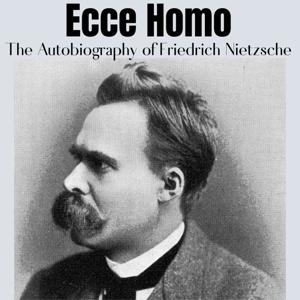
    Ecce Homo by Friedrich Nietzsche is a profound exploration of the author's life, philosophy, and the ideas that shaped his work. In this autobiographical reflection, Nietzsche examines his own thoughts and beliefs, presenting a candid look at his identity and the challenges he faced. The themes of self-examination, individuality, and the questioning of traditional values resonate deeply in today's world, inviting listeners to reflect on their own beliefs and the societal norms that surround them. Nietzsche's incisive prose and bold assertions make this work an enduring testament to the human spirit's quest for understanding and authenticity.

    This episode includes AI-generated content.
    5 hr 37 min
  • Alexander the Great - Jacob Abbott
    Alexander the Great was one of the most successful military commanders in history, and was undefeated in battle. By the time of his death, he had conquered most of the world known to the ancient Greeks.Alexander the Great is one of many biographies aimed at young people written by Jacob Abbott and his brother. The biographies are written in such a way that makes them appealing and easily accessible to everyone. - Written by Wikipedia and Lizzie Driver

    This episode includes AI-generated content.
    5 hr 57 min
  • Adventures of a Nature Guide - Enos A Mills
    Enos Mills (1870-1922 ), naturalist and conservationist, was instrumental in the creation of Rocky Mountain National Park. Like his mentor John Muir, Mills was an intrepid solitary high country rambler, as well as an accomplished Colorado mountain guide. There are mountain tales aplenty in "Adventures of a Nature Guide." At one point, Mills climbs Long's Peak alone in a gale with winds topping 170 mph., "carried away with the wild, elemental eloquence of the storm." Near the summit, the wind is so fierce he cannot make headway, so he concludes to "reverse ends." "Putting a shoulder against a rock point, I allowed the wind to push my legs around. This . . . enabled me to brace effectively with my feet, and also to hang on more securely with my hands. . . There was no climbing; the wind sucked, dragged, pushed, and floated me ever upward." Summary by Sue Anderson.

    This episode includes AI-generated content.

    7 hr 31 min
  • Spiritual Dialogue Between the Soul the Body Self-Love the Spirit Humanity and the Lord God - Saint Catherine of Genoa
    "Spiritual Dialogue Between the Soul the Body Self-Love the Spirit Humanity and the Lord God" by Saint Catherine of Genoa explores the profound transformation of the soul as it moves from worldly distractions to a devoted life of spiritual love and penance. Through her captivating narrative, Saint Catherine shares her journey of conversion and the sublime experiences of divine love that she encountered, illuminating the path to spiritual fulfillment. This timeless work resonates today as it addresses the universal struggle between earthly desires and spiritual aspirations, encouraging listeners to reflect on their own journeys toward self-love and connection with the divine.

    This episode includes AI-generated content.
    3 hr 49 min
  • Great Galeoto - Jose Echegaray y Eizaguirre
    "What touches us more closely is Echegaray's manipulation of the modern conscience, and its illimitable scope for reflection, for conflict, and the many-sided drama of temptation.... Not even Tolstoi, with all that delicacy and keenness of the Russian conscience, that profound seriousness, which moves us so variously in his great books, has a nobler consciousness of the dignity of suffering and virtue than this Spanish dramatist. And not less capable is he of a jesting survey of life." Echegaray won the Nobel Prize for literature in 1904. This play was made into movies several times in both its original Spanish and in English. - Summary by The Translator Cast list: Teodora, Wife of Don Julian: Nissy Don Julian: Greg Giordano Dona Mercedes, Wife of Don Severo: Sonia Don Severo: Alan Mapstone Pepito, Their Son: Adrian Stephens Ernest: ToddHW Rueda, A Witness: Sandra Schmit Servant at Don Julian's: Andrew Kennedy Ernest's Servant: Joanna Michal Hoyt Stage Directions: Availle Editing: ToddHW

    This episode includes AI-generated content.
    2 hr 59 min
  • Climatic Changes Their Nature and Causes - Ellsworth Huntington
    "Climatic Changes: Their Nature and Causes" by Ellsworth Huntington delves into the historical shifts in Earth's climate and explores the hypothesis surrounding climate change. By examining the evidence for these geographical changes, Huntington provides insights that remain relevant today as discussions about climate impact and environmental shifts continue to dominate global conversations. The themes of adaptation and understanding our planet's evolving nature resonate deeply in a world increasingly aware of ecological challenges. This enduring work invites listeners to reflect on humanity's relationship with climate and the importance of recognizing historical patterns to inform our future.

    This episode includes AI-generated content.

    9 hr 2 min
  • Ecce Homo - Friedrich Nietzsche
    Friedrich Nietzsche's "Ecce Homo" stands as a bold and unapologetic autobiography that encapsulates the essence of his philosophy and character. Written at the pinnacle of his creative output, this work defies modesty with audacious chapter titles like “Why I am so Wise” and “Why I am so Clever,” reflecting his deep confidence in his intellectual contributions. Nietzsche’s reflections serve as a profound summation of his life’s endeavors, offering insights into his purpose as a reformer and his legacy as a thinker. The themes of self-examination, the critique of societal norms, and the celebration of individuality resonate powerfully, prompting readers to confront their own beliefs and values. As Nietzsche articulates his thoughts with clarity and conviction, "Ecce Homo" invites listeners to engage with the enduring questions of wisdom, creativity, and the human condition.

    This episode includes AI-generated content.

    5 hr 37 min
  • Gleanings in Graveyards A Collection of Curious Epitaphs - Horatio Edward Norfolk
    "Gleanings in Graveyards: A Collection of Curious Epitaphs" by Horatio Edward Norfolk invites listeners to explore a fascinating array of witty and unusual epitaphs from graveyards across England, Wales, Scotland, and beyond. With gems like Dr. I. Letsome's playful inscription, the book highlights the humor and humanity found in the final words of the departed. These epitaphs not only reflect the personalities of those who wrote them but also offer timeless insights into life, death, and the quirks of human nature. In a world where we often shy away from discussing mortality, this collection serves as a reminder to embrace the lighter side of life and to celebrate the unique stories that each individual leaves behind.

    This episode includes AI-generated content.
    4 hr 30 min

About Ecce Homo - Friedrich Nietzsche

From the publisher's feed

Explore the profound self-examination and philosophical musings implied by this title, where the exploration of identity, morality, and the human condition takes center stage. This podcast offers a…