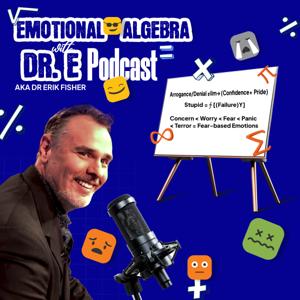
Emotional Algebra with Dr. E...

Emotional Algebra with Dr. E...

Download on the App Store

Emotional Algebra with Dr. E... episodes

  • Emotional Algebra with Dr. E... S2 Episode 1: Trauma Dumping, Sadfishing, AI and Narcissism, Oh My!

    In this insightful episode of "Emotional Algebra with Dr. E...," co-host Andrew Tavani and Dr. E... delve into contemporary psychological themes, examining popular terms that permeate social media and pop culture today. Kicking off the episode, they emphasize the aim of the podcast—fostering self-awareness and personal growth through an understanding of emotional dynamics.

    The discussion transitions into analyzing the cultural phenomenon surrounding superhero movies, specifically referencing the characters Wolverine and Deadpool. Dr. E... articulates how these films weave complex narratives around trauma and community, noting how they resonate with audiences and offer deeper life lessons (00:00:28 - 00:03:06). The conversation touches on how perceptions of trauma can vary dramatically among individuals and how this influences emotional responses (00:03:41 - 00:05:20).
    The hosts explore the concept of trauma dumping, noting its rise in social media discourses, particularly among Gen Z (00:06:01 - 00:12:22). They discuss the fine line between sharing personal struggles and using trauma as a means of competition or attention-seeking—a phenomenon known as "sadfishing." They emphasize the need for authentic connections and compassion rather than superficial comparisons of pain.
    As they address the pitfalls of modern communication, they "doom scrolling" (00:12:52 - 00:16:11), elucidating how this habit can lead to feelings of hopelessness and loneliness. Dr. E... talks about the importance of setting self-imposed limits to mitigate the negative effects of consuming distressing amounts of content online.
    The duo also examines the potential roles of artificial intelligence, including in therapy and self-help, contemplating whether AI could serve as an auxiliary tool for mental health support and/or if it lacks the essential human touch crucial for deep emotional healing (00:23:59 - 00:27:10).
    Towards the end, Dr. E... encourages listeners to become proactive in their mental health journeys, illustrating how the self-care movement be helpful to provide strategies, while it can sometimes devolve into a competitive arena rather than fostering authentic growth. They assert that it’s essential for individuals to seek meaningful healing and connections and strive for personal development rather than engage in what can be a band-aid.
    This episode concludes with a reminder of the importance of understanding and addressing the underlying emotional variables that affect personal well-being. It emphasizes the need for an engaged, empathetic approach to mental health for all, urging listeners to foster healing connections within their communities.


    37 min
  • Emotional Algebra with Dr. E... Ep 16: Rivalries Part 2 with Chris Singleton

    In this episode, Dr. E... engages in a lively discussion about sports rivalries with Chris Singleton, aka Singy, a former NCAA two-sport athlete and MLB player with the Chicago White Sox and now MLBPA rep. The conversation begins with a lighthearted debate over which Ohio State National Championship hat Dr. E... should wear, setting a casual tone for the episode (00:00:12).
    As the discussion progresses, Chris shares his personal experiences with rivalries during his time as a college athlete at the University of Nevada Reno, particularly focusing on the intense rivalry with UNLV. He elaborates on the emotional energy surrounding these games and how fans' investments can lead to heightened pressure on players. Chris reflects on how different the atmosphere of rivalry games is compared to regular games, likening it to the energy felt in professional sports (00:01:06 - 00:03:27).
    The conversation shifts to the differences between college sports and professional sports, emphasizing that while college athletes play for their schools and communities, professional athletes often face much more intense scrutiny and pressure due to their salaries and public exposure (00:07:04 - 00:08:27). Chris explains that while he felt pressure during rivalry games, it was more about the excitement of the competition rather than a negative burden.
    The duo then discusses historic rivalries, notably the Boston Red Sox vs. New York Yankees, and how the performance pressure from passionate fan bases can affect athletes differently. Chris outlines the importance of winning and individual performance, noting that, in high-pressure situations, athletes must focus on the team rather than individual stats to achieve success (00:11:55 - 00:12:57).
    They touch on the psychological aspects of playing in front of passionate crowds, the emotional investment from fans based on team history and performance, and how these factors influence players' mental health and performance. The discussion delves into the complex relationship between fan expectations and player performance, especially in cities with intense sports cultures (00:28:00 - 00:31:14).
    Towards the end, Chris highlights the importance of supportive coaching staff and internal team dynamics in promoting positive mental health for athletes. He reflects on the need for nurturing relationships rather than strictly transactional ones between players and coaches, especially at critical developmental stages (00:45:23 - 00:46:31).
    The episode as a whole examines the multifaceted nature of sports rivalries, fan expectations, and their psychological effects on players, providing deep insights into what drives competition in both college and professional sports.
    https://youtu.be/bA1Rsgbmxuw

    1 hr 5 min
  • Emotional Algebra with Dr. E... Special Episode: The Politics of Canceling Christmas

    In this episode of the Emotional Algebra with Dr. E... podcast, co-hosts Andrew Tavani and Dr. E... engage in a thought-provoking discussion about the complexities of family relationships during the holiday season, especially in the wake of a divisive election. They initiate the conversation by revisiting themes from previous episodes about the impact of political disagreements on family dynamics, particularly during gatherings like Thanksgiving and Christmas.

    To dive deeper into this topic, the hosts welcome Andrea Tate, a writer whose column titled “My Husband and His Family Voted for Trump, So I’m Canceling Thanksgiving and Christmas” sparked significant attention and controversy. Andrea shares her personal experiences and the emotional turmoil she faced after writing the piece, which resonated with many people who feel similarly isolated in their political beliefs. The initial reaction to her article was overwhelming, being discussed on Sean Hannity and Bill Maher, with Andrea recounting the viral nature of her post and the mixed responses from the public and her own family.
    Throughout the episode, the trio explores themes of emotional boundaries and the importance of self-care during times of political tension. Andrea candidly discusses her decision to skip family gatherings, emphasizing her need for space and how it’s crucial to protect one’s mental health. The conversation also touches on the impact of subtle political remarks during family interactions, illustrating the challenges of navigating relationships where viewpoints significantly differ.
    Additionally, they discuss the stages of emotional processing in response to grief and loss, drawing parallels to the collective emotional responses triggered by elections and political outcomes. The episode ultimately aims to foster understanding and empathy among those facing similar relational dilemmas, encouraging listeners to acknowledge their own feelings while also being respectful of others’ experiences.
    By the end of the episode, both Andrea and the hosts reflect on the possibility of future discussions that bridge divides, highlighting the importance of acknowledging differences while seeking common ground.
    They leave listeners with the message that while political discourse can be fraught, it's essential to approach these conversations with compassion and an open heart. The episode concludes with a reminder of the importance of community and support in navigating these challenging times.
    Links to articles by Andrea:
    https://www.yahoo.com/lifestyle/husband-family-voted-trump-im-132507732.html
    https://brevity.wordpress.com/2024/11/21/going-viral-what-to-do-before-during-and-after/


    49 min
  • Emotional Algebra with Dr. E... Episode 15: Sports, Rivalries, Athletes, and Emotions Part 1

    In this episode of "Emotional Algebra," co-hosts Andrew Tavani and Dr. E... delve into the intense emotions surrounding sports rivalries and the impact these feelings have on athletes, fans, and the culture of sports. The hosts emphasize the emotional calculations fans and players make in the context of high-stakes games, particularly focusing on the iconic rivalry between Ohio State and Michigan. They address recent rivalry week chaos in college football, including altercations and the controversial practice of "flag planting" by players as a show of dominance. Dr. E... critiques this behavior as rooted in arrogance and insecurity, sparking a conversation about the motivations behind such actions, including the pressures of social media and societal expectations.

    As the dialogue progresses, the co-hosts explore how fans often tie their identity and self-worth to the successes and failures of their teams, leading to toxic behaviors and unrealistic expectations. They utilize social psychology concepts, such as "BIRGing" (Basking in Reflective Glory), to underline how fans’ emotional investments sway their view of self through their perceptions of their players and teams.
    The episode draws attention to the detrimental effects of harsh criticisms from fans and media on amateur and professional athletes, emphasizing the importance of compassion and understanding their emotional journeys. Highlighting a clip featuring Mike Gundy, they advocate for a cultural shift in how fans interact with athletes, underscoring the need for sensitivity in a sport that largely hinges upon human emotions.
    Dr. E... and Andrew also weave in relevant anecdotes and quotes from prominent figures in sports to illustrate their points, ultimately calling for a more supportive environment for athletes, based on mutual respect and empathy. The episode concludes with a discussion of increases in domestic violence following losses by teams after rivalries or big stakes games, adding a further reminder of the universal nature of emotions in sports, encouraging listeners to reflect on their own emotional responses and the deeper implications of how they support their teams, and their families.


    1 hr
  • Emotional Algebra with Dr. E... Special Episode: Holidays and Politics

    In this episode of "Emotional Algebra," hosted by Dr. E... and co-host Andrew T, the discussion centers around the emotional challenges that arise from divisive political climates, particularly in the wake of a polarizing election. The major theme addressed how to navigate contentious topics during family gatherings, especially around the holidays. Dr. E... emphasizes the need for compassion and understanding, suggesting that individuals should strive to maintain equity in their relationships rather than allowing politics to drive wedges between them.

    The episode features a guest, Eric Lucas, who introduces his concept of the "Oxygen Plan." Eric explains how this framework can help individuals assess their social interactions and recognize which relationships are supportive (oxygen), draining (carbon dioxide), or harmful (carbon monoxide). The three-color coding system (green, yellow, and red) is introduced as a helpful tool for listeners to categorize conversations and manage emotional health effectively.
    Throughout the episode, practical strategies are shared, including setting boundaries for holiday discussions and creating agreements about avoiding polarizing topics. The hosts and Eric discuss the importance of fostering a positive atmosphere during family gatherings, focusing on gratitude and shared experiences rather than divisive political debates.
    Listeners are encouraged to take the stress number questionnaire available through Eric's Oxygen Plan app, which provides insights into personal emotional well-being and offers strategies to improve mental health. The episode concludes with a reminder that while political differences can be profound, the relationships we cherish should not suffer as a result. The overarching message is one of unity, resilience, and the importance of prioritizing emotional wellness during challenging times, especially during the holiday season.


    43 min
  • T'was The Sale Before Christmas - 2024 an Emotional Algebra with Dr. E... production

    The poem "T’was the Sale before Christmas - 2024" presents a contemporary and satirical take on the holiday shopping culture that often overshadows the true spirit of Christmas. It begins with a scene of rampant consumerism, where shoppers are urged to keep buying despite their financial struggles (as highlighted in the opening lines). The narrator observes their neighbors facing repossession and the emotional toll that such economic strains create, particularly on families striving for a happy holiday.

    The poem brings attention to the disconnect between the joy of giving and the pressures of materialism, emphasizing how parents feel guilt over not being able to provide extravagant gifts for their children. It reflects societal issues, including the strain of excessive spending and the hollow nature of modern Christmas celebrations that have become enmeshed in consumer culture.
    As the poem progresses, the narrator experiences a moment of introspection, leading to a dream-like encounter with two spirits— Jesus and the jolly Santa Claus—who stress the importance of valuing emotional connections over material possessions. They remind the narrator that true fulfillment comes from love, kindness, and balance with nature, rather than conforming to commercial expectations.
    Ultimately, the poem challenges readers to reconsider their values during the holiday season and to remember that the essence of Christmas lies in love and togetherness, not in material goods. The closing lines echo a hopeful message: true abundance and joy can be found within, highlighting the need for deeper connections and mindfulness.

    6 min
  • Emotional Algebra with Dr. E... Episode 14: Logic Felt Within

    In this episode of the podcast "Emotional Algebra with Dr. E...", the focus is on exploring the concept of emotions through the lens of poetry. Dr. E... elaborates on a shift in approach, proposing the use of a poem to facilitate the conversation and connect with listeners on a deeper level.

    Throughout the episode, starting around 00:01:10, Dr. E... emphasizes the therapeutic use of poetry as a means to help individuals process their emotions. He discusses the concept of bibliotherapy, which includes using literature and art, such as poems or songs, to evoke feelings and provoke self-reflection. This approach is highlighted as an effective way to discuss complex emotional landscapes that traditional therapy might not capture fully.

    As the episode progresses, Dr. E... recites a longer poem that metaphorically personifies emotions, allowing listeners to visualize and relate to them better. By around 00:03:30, the poem introduces various emotions like Fear, Logic, Anger, and Shame, presenting them as characters in a narrative that unfolds their interactions and conflicts.The hosts pause at various points to discuss their interpretations and insights, emphasizing the inner dialogue people experience with their emotions.
    At 00:11:12, a critical moment occurs where Logic attempts to distance itself from other emotions, showcasing the common internal struggle between rational thought and emotional experiences. The poem becomes an allegory for self-exploration, revealing how various emotions can impact one's decision-making and perceptions.
    By 00:23:01, the poetry shifts toward a moment of realization, where emotions begin to understand their roles and their relationship with Logic, culminating in a scene of acceptance and healing. The hosts relate this to real-life therapeutic processes, discussing how acknowledging and accepting one's emotions leads to personal growth and self-awareness.
    The episode wraps up with reflections on the enduring relevance of these concepts in today's fast-paced world, highlighting that despite the changes in society since the poem's writing in 1995, the fundamental truths about our emotional lives remain constant. Dr. E... shares personal insights on how writing this poem was a transformative experience for him, aiming to guide others in their journeys toward self-acceptance and understanding.
    Overall, this episode serves as a poignant exploration of emotions through poetry, providing listeners with both a narrative and therapeutic framework to better understand their inner lives. The discussion encourages individuals to embrace all facets of their emotional selves as they seek healing and connection.


    42 min
  • Emotional Algebra with Dr., E... Episode 13: Your Personal Brand: You ARE More than a Name!

    In this episode of "Emotional Algebra," Dr. E... and co-host Andrew Tavani delve into the intricate concept of personal branding, a theme that has gained significant traction in the age of social media. The discussion kicks off with a recap of their previous episode, where they explored the multifaceted impacts of social media culture, both positive and negative.

    Dr. E reflects on his long-standing interest in personal branding, dating back 25 years to when he worked with teens who often overlooked their potential impact on society. He emphasizes that personal branding extends beyond social media and is integral to daily life.
    Throughout the episode, the pair engage in a detailed conversation about various aspects of personal branding, including brand loyalty, brand identity, and the importance of consistency. Dr. E poses thought-provoking questions about brand associations, prompting Andrew to consider what words and images he wants affiliated with his personal brand.
    As the discussion progresses, they touch on the significance of maintaining integrity in branding, making difficult decisions for brand management, and being accountable for past actions. Dr. E... shares personal anecdotes about his experience in media, illustrating how crucial it is to present oneself authentically while managing public perception.
    They also explore the challenges faced by younger individuals on social media, addressing questions around the appropriate age for entering these platforms and the potential emotional consequences of early exposure. Dr. E... advocates for mindfulness in personal branding, urging listeners to maintain a balance between their real and ideal selves.
    The episode wraps up with a summary of key points and a reminder that living with principles of truth, honor, and integrity can guide individuals toward a stronger personal brand. With engaging visuals and practical insights, this episode serves as a valuable resource for anyone looking to navigate personal branding successfully, whether online or offline.


    42 min
  • Emotional Algebra with Dr. E... Episode 12: Integrity and Social Media

    In this episode of the podcast "Emotional Algebra with Dr. E..." co-hosts Andrew and Dr. E... engage in a thoughtful discussion about the complexities of emotions, behaviors, and social media's influence on our lives. The conversation recaps the previous episode, which focused on social media dynamics, particularly how Instagram culture manifests in Japan and the U.S., and how individuals often navigate insecurities through social media engagement.

    As they delve deeper, Dr. E... expresses concern over the rise of narcissistic behaviors and arrogance contributed by social media, encouraging listeners to engage in honest self-reflection to understand their emotional motivations. The hosts explore the dual nature of social media: its potential for connection and its capacity to foster unhealthy behaviors and cultural detachment when used excessively.
    The episode also touches on the concept of personal branding, stressing the importance of consistency and genuine representation over time. Dr. E... emphasizes that success should be measured by personal growth and integrity rather than clicks, likes, or superficial validation. Through examples, including a tribute to Bill Walton and Coach John Wooden's philosophies, the conversation highlights the importance of principles such as truth, integrity, honor, and self-reflection in personal and professional life.
    In the later segments, they delve into how lessons from sports can serve as metaphors for life, reinforcing that true success is about personal integrity and understanding one’s role within a team or community. Dr. E... draws parallels between sports coaching and life coaching, discussing the need for balance between competition and collaboration.
    In conclusion, the episode encourages listeners to cultivate a mindset focused on emotional growth and community engagement rather than individual gain, reminding everyone that learning from failures and embracing humility is vital for personal development. The podcast wraps up with a promise to explore further themes of personal branding in upcoming episodes, fostering anticipation for future discussions.
    Overall, this episode presents a rich blend of personal anecdotes, psychological insights, and practical advice aimed at fostering emotional intelligence and integrity in a world increasingly influenced by social media.


    35 min
  • Emotional Algebra with Dr. E... Episode 11: Social Media and Me vs. We

    In this episode of Emotional Algebra with Dr. E..., co-host Andrew Tavani and Dr. E... delve into the intricacies of relationships, self-awareness, and mindfulness, particularly in the context of social media and modern culture. The discussion starts with Dr. E...'s summer travels to Japan, where he reflected on the cultural differences he observed, especially regarding dining etiquette and the mindfulness associated with eating—an aspect often overlooked in fast-paced American society.

    As the conversation unfolds, they explore the impact of social media on self-perception and relationships. Dr. E... highlights the phenomenon of individuals, particularly in dating scenarios, expecting their partners to act as personal photographers, which can lead to a skewed sense of self-love and connection. They emphasize that while social media offers opportunities to connect across the globe, it can also dilute the quality of relationships, reducing them to numbers—likes, clicks, and followers—rather than meaningful interactions.
    The episode also critiques the emerging culture of narcissism fostered by social media platforms. Andrew and Dr. E... discuss how the quest for the perfect photo often overshadows genuine moments, leading to stress and pressure in interpersonal relationships.
    Dr. E... provides insight into how individuals can navigate these complexities by fostering self-awareness and open communication in their relationships. He stresses the importance of mutual respect and the need to balance the desire for social approval with genuine personal connections.
    To further illustrate their points, they reference a provocative article titled "Your Boyfriend Isn't Your Cameraman," which discusses the burden placed on partners to continually capture the perfect moments for social media. This serves as a backdrop for a broader discussion about entitlement and the impact it has on modern relationships.
    Concluding with a Zen Koan analogy, Dr. E... encourages listeners to look beyond superficial appearances and to recognize the deeper lessons life presents, emphasizing that personal growth often emerges from navigating challenges (00.25.10). The episode reinforces the need for mindfulness, self-reflection, and a shift from a "me-first" mindset to one of mutual respect and shared joy in relationships.
    Overall, this episode of Emotional Algebra combines personal anecdotes, cultural observations, and psychological insights to challenge listeners to consider the implications of their behaviors and the societal pressures shaping their lives and relationships.


    27 min

About Emotional Algebra with Dr. E...

From the publisher's feed

How many times have you asked yourself, "Why in the heck did I do that?" Well, we'll help you answer that question, not just for yourself, but also looking at culture, society, politics,…