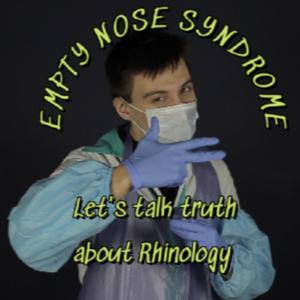
Every day, individuals worldwide are enduring irreversible harm due to Septoplasty and Turbinate reduction procedures. These operations, ostensibly for alleviating nasal congestion, are often presented by surgeons as having minimal risks—typically just bleeding and infection. However, this narrative is far from the truth. These surgeries essentially involve the destruction of the respiratory organs, namely the turbinates. Despite the well-known negative effects, these vital organs are consistently resected and damaged.
Unfortunately, financial interests have overridden the compassionate side of medicine, leading surgeons to dismiss patient complaints post-surgery. When individuals raise concerns about experiencing air hunger following the procedure, they are often dismissed as imagining it.
The reality is that a surgery targeting the turbinates and nasal mucosa transcends the confines of a local procedure within the nasal passage. It extends its impact to the nervous system and the brain, affecting cognition, sleep, and even personality. Patients are left grappling with a compromised nasal mucosa, resulting in a range of distressing symptoms: air hunger, suffocation sensations, insomnia, emotional distress, nasal pain, nasal dryness, vasoconstriction, and Hypoxia. The ramifications can be dire—jobs, friendships, and tragically, lives, are often lost to suicide.
Regrettably, the medical community's reluctance to acknowledge these damages, coupled with financial motives, keeps them from admitting the extent of the issue. The surgeons' pride often hinders them from addressing the problems, all while they continue to prioritize monetary gains. One can't help but wonder how many more individuals must suffer before regulatory authorities intervene to prevent these life-threatening outcomes.
The notion of performing such surgeries without adequately disclosing the potential consequences simply can't be ethical. The injury and risks far outweigh any potential benefits, particularly when it's apparent that dietary changes can often effectively address nasal congestion.
While the scientific evidence exists, financial interests often obstruct its dissemination. In this presentation, I'll unveil the iatrogenic injuries and complications that surgeons prefer to keep hidden prior to conducting Septoplasty or Turbinate reduction procedures.
This lecture revolves around the topic of Iatrogenic Nasal Respiratory Dysfunction / Empty Nose Syndrome.
INDEX OF THIS VIDEO
3.27 Natural reasons to a congested nose
9.19 Index of this video lecture
10.43 What is a Turbinate / Nasal Concha
11.57 Nose-Nervous system-Brain connection
17.52 Function of the Nose and the Turbinate’s
24.50 The Nasal cycle explained
26.13 Importance of air velocity in Nose
28.54 Delayed Empty Nose syndrome years after surgery
32.18 Methods for turbinate reduction & Septoplasty and its consequence’s
54.06 Common injury from Septoplasty and Turbinate reduction
1 h 12.48 How you are tricked to have an unnecessary surgery
1 h 16.30 The lie about the enlarged Turbinates’
1 h 24.30 Vasoconstriction & and Hypoxia after mucosal damage
1 h 22.34 Restless legs syndrome & vasoconstriction due to nose surgery
1 h 26.45 The importance of Nitric Oxide production in the nasal mucosa
1 h 31.42 Patient stories: Statements from people who have been injured.
LINK TO THE POWER POINT FILE USED IN THE VIDEO: https://1drv.ms/p/s!AjHYbLDDYBuygYscbRoyz50lA9sX0g?e=xPzZcp
See also my longer youtube video about ENS: A sientific explanation behind ENS:
https://youtu.be/U9bLXQwbkBM