
Sign up to save your podcasts
Or

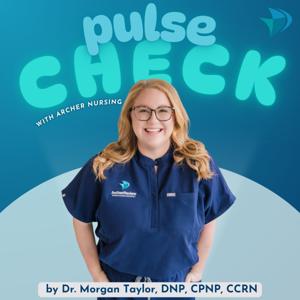

In this episode of Pulse Check with Archer Nursing, Dr. Morgan Taylor breaks down serotonin syndrome in a clear, NCLEX-focused way. You’ll learn how too much serotonin affects the body, which medications can increase risk, and what symptoms nurses should recognize quickly, including fever, tachycardia, tremors, hyperreflexia, and agitation.
Morgan walks through a case study involving an SSRI and tramadol, explains why medication history matters, and reviews priority nursing actions, including holding serotonergic medications, notifying the provider, starting supportive care, cooling the patient, and monitoring for complications like rhabdomyolysis.
If serotonin syndrome feels confusing, this episode will help you connect the pathophysiology, clinical signs, and NCLEX-style priorities in a way that actually sticks.
 View all episodes
 By Archer Review
5
1616 ratings
In this episode of Pulse Check with Archer Nursing, Dr. Morgan Taylor breaks down serotonin syndrome in a clear, NCLEX-focused way. You’ll learn how too much serotonin affects the body, which medications can increase risk, and what symptoms nurses should recognize quickly, including fever, tachycardia, tremors, hyperreflexia, and agitation.
Morgan walks through a case study involving an SSRI and tramadol, explains why medication history matters, and reviews priority nursing actions, including holding serotonergic medications, notifying the provider, starting supportive care, cooling the patient, and monitoring for complications like rhabdomyolysis.
If serotonin syndrome feels confusing, this episode will help you connect the pathophysiology, clinical signs, and NCLEX-style priorities in a way that actually sticks.
1,234 Listeners

986 Listeners