
Sign up to save your podcasts
Or

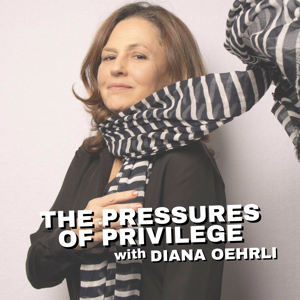

What happens when successful people have everything they thought they wanted but are quietly falling apart inside? Dr. Magdalena Bak-Maier, neuroscientist and founder of Make Time Count, joins Diana to explore why high achievers get trapped in cycles of burnout, imposter syndrome, and doing things they don't care about with people they don't like.
Drawing from her own journey as an immigrant who grew up under Poland's repressive regime, Magdalena reveals how early trauma shapes our ability to feel safe—and why psychological safety is the foundation for everything from workplace performance to personal relationships.
In this deeply personal conversation, Diana and Magdalena dive into:
• Why we become "brains on legs" disconnected from our emotions • The hidden patterns that keep successful people suffering • How to reconnect with feelings you've been shoving under the rug for years • The difference between shutdown and hyperactivity as trauma responses • Why AI can't replace human connection in healing • How to create psychological safety when you never had it growing up • The Grid Method for balancing life, work, career, and self-care
Plus, Magdalena shares her controversial take on pleasure: if you feel guilty about having it, you probably need more of it.
This episode will change how you think about safety, productivity, and what it truly means to feel alive.
Summary
In this conversation, Diana Oehrli and Dr. Magdalena Bak-Meier explore the hidden struggles of high achievers, discussing the cycles of crisis and burnout they often face. They delve into the importance of psychological safety, self-care, and the role of dopamine in motivation. The discussion also touches on the impact of relationships, the need to reconnect with emotions, and the significance of pleasure in life. Additionally, they examine how technology affects emotional processing and the importance of finding balance in a chaotic world.
Takeaways
Many high achievers experience hidden suffering despite their success.
Crisis points often lead to burnout cycles that can be difficult to navigate.
Creating space for self-care is essential for maintaining productivity.
Psychological safety is crucial for emotional well-being in all environments.
Dopamine plays a significant role in motivation and goal achievement.
Relationships can impact our emotional health and sense of belonging.
Reconnecting with emotions is vital for personal growth and healing.
Pleasure should be embraced, especially for those who feel guilty about it.
Technology can hinder emotional processing if not used mindfully.
Finding balance in life is key to overall happiness and fulfillment.
Links mentioned:
Credits
Thank The Team: To all those who help me. Gwendolyn Christian for the scheduling and Oliver Kiker for the theme music.
 View all episodes
 By Diana Oehrli
What happens when successful people have everything they thought they wanted but are quietly falling apart inside? Dr. Magdalena Bak-Maier, neuroscientist and founder of Make Time Count, joins Diana to explore why high achievers get trapped in cycles of burnout, imposter syndrome, and doing things they don't care about with people they don't like.
Drawing from her own journey as an immigrant who grew up under Poland's repressive regime, Magdalena reveals how early trauma shapes our ability to feel safe—and why psychological safety is the foundation for everything from workplace performance to personal relationships.
In this deeply personal conversation, Diana and Magdalena dive into:
• Why we become "brains on legs" disconnected from our emotions • The hidden patterns that keep successful people suffering • How to reconnect with feelings you've been shoving under the rug for years • The difference between shutdown and hyperactivity as trauma responses • Why AI can't replace human connection in healing • How to create psychological safety when you never had it growing up • The Grid Method for balancing life, work, career, and self-care
Plus, Magdalena shares her controversial take on pleasure: if you feel guilty about having it, you probably need more of it.
This episode will change how you think about safety, productivity, and what it truly means to feel alive.
Summary
In this conversation, Diana Oehrli and Dr. Magdalena Bak-Meier explore the hidden struggles of high achievers, discussing the cycles of crisis and burnout they often face. They delve into the importance of psychological safety, self-care, and the role of dopamine in motivation. The discussion also touches on the impact of relationships, the need to reconnect with emotions, and the significance of pleasure in life. Additionally, they examine how technology affects emotional processing and the importance of finding balance in a chaotic world.
Takeaways
Many high achievers experience hidden suffering despite their success.
Crisis points often lead to burnout cycles that can be difficult to navigate.
Creating space for self-care is essential for maintaining productivity.
Psychological safety is crucial for emotional well-being in all environments.
Dopamine plays a significant role in motivation and goal achievement.
Relationships can impact our emotional health and sense of belonging.
Reconnecting with emotions is vital for personal growth and healing.
Pleasure should be embraced, especially for those who feel guilty about it.
Technology can hinder emotional processing if not used mindfully.
Finding balance in life is key to overall happiness and fulfillment.
Links mentioned:
Credits
Thank The Team: To all those who help me. Gwendolyn Christian for the scheduling and Oliver Kiker for the theme music.