
Sign up to save your podcasts
Or

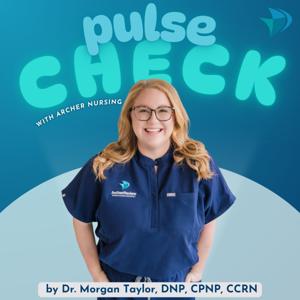

Rhabdomyolysis may start in the muscles—but without fast nursing intervention, it can spiral into electrolyte imbalances, kidney failure, and life-threatening arrhythmias. In this episode, Dr. Morgan Taylor, DNP, CPNP, CCRN, breaks down the cascade of events that occurs when muscle cells break down and release their contents into the bloodstream.
From dark “cola-colored” urine to dangerously high potassium levels, Dr. Taylor shares the classic signs of rhabdo, the key labs to monitor, and a real-life case that underscores how fast things can escalate. Learn the step-by-step interventions to protect the kidneys, stabilize the heart, and prevent deadly complications. Plus, we’ll walk through a high-yield NCLEX-style question to solidify your knowledge.
Topics discussed in this episode:
What rhabdomyolysis is and why it’s a medical emergency
Muscle cell breakdown and the release of CK, myoglobin, potassium, and phosphate
Classic signs: tea-colored urine, weakness, muscle tenderness, and electrolyte abnormalities
A real case of rhabdomyolysis in a college athlete
Managing hyperkalemia: calcium gluconate, insulin, and dextrose
Breaking down a high-yield NCLEX question on EKG changes in rhabdomyolysis
This episode is packed with critical nursing actions and clinical red flags to help you manage rhabdomyolysis like a pro. Tune in now to sharpen your skills and prep for both the NCLEX and real-world emergencies!
Find everything Archer Review has to offer:
archerreview.link/PulseCheck
Use code PULSECHECK10 - an exclusive discount just for our listeners!
Connect with us!
📸 Instagram: @archernursing
📘 Facebook: Archer NCLEX Review
🎵 TikTok: @archernursing
▶️ YouTube: Archer Review NCLEX, USMLE, TEAS7, and FNP
 View all episodes
 By Archer Review
5
1616 ratings
Rhabdomyolysis may start in the muscles—but without fast nursing intervention, it can spiral into electrolyte imbalances, kidney failure, and life-threatening arrhythmias. In this episode, Dr. Morgan Taylor, DNP, CPNP, CCRN, breaks down the cascade of events that occurs when muscle cells break down and release their contents into the bloodstream.
From dark “cola-colored” urine to dangerously high potassium levels, Dr. Taylor shares the classic signs of rhabdo, the key labs to monitor, and a real-life case that underscores how fast things can escalate. Learn the step-by-step interventions to protect the kidneys, stabilize the heart, and prevent deadly complications. Plus, we’ll walk through a high-yield NCLEX-style question to solidify your knowledge.
Topics discussed in this episode:
What rhabdomyolysis is and why it’s a medical emergency
Muscle cell breakdown and the release of CK, myoglobin, potassium, and phosphate
Classic signs: tea-colored urine, weakness, muscle tenderness, and electrolyte abnormalities
A real case of rhabdomyolysis in a college athlete
Managing hyperkalemia: calcium gluconate, insulin, and dextrose
Breaking down a high-yield NCLEX question on EKG changes in rhabdomyolysis
This episode is packed with critical nursing actions and clinical red flags to help you manage rhabdomyolysis like a pro. Tune in now to sharpen your skills and prep for both the NCLEX and real-world emergencies!
Find everything Archer Review has to offer:
archerreview.link/PulseCheck
Use code PULSECHECK10 - an exclusive discount just for our listeners!
Connect with us!
📸 Instagram: @archernursing
📘 Facebook: Archer NCLEX Review
🎵 TikTok: @archernursing
▶️ YouTube: Archer Review NCLEX, USMLE, TEAS7, and FNP

1,234 Listeners

986 Listeners