
Sign up to save your podcasts
Or

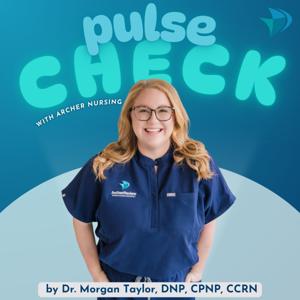

Tumor lysis syndrome (TLS) is an oncologic emergency that can unfold fast—and nurses are on the front line of catching it early. In this episode, Dr. Morgan Taylor, DNP, CPNP, CCRN, breaks down the cellular chaos that occurs when high-dose chemotherapy causes rapid tumor cell destruction, leading to a flood of intracellular contents and dangerous metabolic complications.
From muscle cramps and tingling lips to sudden confusion and bradycardia, Morgan walks you through the signs of TLS, the critical labs to monitor, and a real case where quick ICU intervention made all the difference. Learn the essential nursing priorities to protect the kidneys, stabilize the heart, and manage electrolyte abnormalities—plus, get a breakdown of a high-yield NCLEX-style select-all-that-apply question.
Topics discussed in this episode:
What tumor lysis syndrome is and why it’s an oncologic emergency
Electrolyte imbalances: hyperkalemia, hyperphosphatemia, and hypocalcemia
Kidney damage and the role of uric acid crystals in acute kidney injury
A real ICU case triggered by third-line chemo for a mediastinal mass
Priority nursing interventions for TLS management
Why telemetry and aggressive lab monitoring are key
Breaking down a high-yield NCLEX-style SATA question on TLS labs
This episode is packed with clinical pearls and practical takeaways to help you recognize, respond to, and prevent the worst outcomes of TLS. Tune in now to sharpen your nursing instincts and NCLEX prep!
Find everything Archer Review has to offer:
archerreview.link/PulseCheck
Use code PULSECHECK10 - an exclusive discount just for our listeners!
Connect with us!
📸 Instagram: @archernursing
📘 Facebook: Archer NCLEX Review
🎵 TikTok: @archernursing
▶️ YouTube: Archer Review NCLEX, USMLE, TEAS7, and FNP
 View all episodes
 By Archer Review
5
1616 ratings
Tumor lysis syndrome (TLS) is an oncologic emergency that can unfold fast—and nurses are on the front line of catching it early. In this episode, Dr. Morgan Taylor, DNP, CPNP, CCRN, breaks down the cellular chaos that occurs when high-dose chemotherapy causes rapid tumor cell destruction, leading to a flood of intracellular contents and dangerous metabolic complications.
From muscle cramps and tingling lips to sudden confusion and bradycardia, Morgan walks you through the signs of TLS, the critical labs to monitor, and a real case where quick ICU intervention made all the difference. Learn the essential nursing priorities to protect the kidneys, stabilize the heart, and manage electrolyte abnormalities—plus, get a breakdown of a high-yield NCLEX-style select-all-that-apply question.
Topics discussed in this episode:
What tumor lysis syndrome is and why it’s an oncologic emergency
Electrolyte imbalances: hyperkalemia, hyperphosphatemia, and hypocalcemia
Kidney damage and the role of uric acid crystals in acute kidney injury
A real ICU case triggered by third-line chemo for a mediastinal mass
Priority nursing interventions for TLS management
Why telemetry and aggressive lab monitoring are key
Breaking down a high-yield NCLEX-style SATA question on TLS labs
This episode is packed with clinical pearls and practical takeaways to help you recognize, respond to, and prevent the worst outcomes of TLS. Tune in now to sharpen your nursing instincts and NCLEX prep!
Find everything Archer Review has to offer:
archerreview.link/PulseCheck
Use code PULSECHECK10 - an exclusive discount just for our listeners!
Connect with us!
📸 Instagram: @archernursing
📘 Facebook: Archer NCLEX Review
🎵 TikTok: @archernursing
▶️ YouTube: Archer Review NCLEX, USMLE, TEAS7, and FNP
1,234 Listeners

986 Listeners