
Sign up to save your podcasts
Or

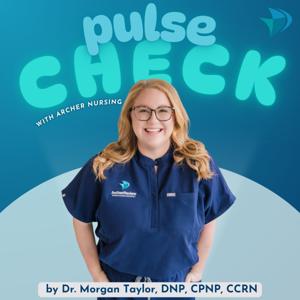

Disseminated intravascular coagulation (DIC) is one of the most chaotic, and critical, conditions nurses may encounter. In this episode, Dr. Morgan Taylor, DNP, CPNP, CCRN, breaks down this life-threatening complication in a way that finally makes it make sense.
DIC isn’t a disease...it’s the body’s response to something major going wrong. You’ll learn how this "consumptive coagulopathy" causes the body to use up all its clotting factors, leading to bleeding from unexpected sites like IV sites, gums, and the urinary tract—while also throwing clots that can damage major organs.
What you’ll learn in this episode:
What can cause DIC to occur and why it spirals so quickly
The key lab findings that point to DIC: low platelets, prolonged PT/aPTT, low fibrinogen, high D-dimer
Why bleeding and clotting happen simultaneously
Which NCLEX answer choice takes priority when the client is actively bleeding
A real-world case: a pregnant client whose DIC diagnosis changed everything
This episode covers the high-stakes thinking behind emergency nursing actions and reinforces the mantra: “When in distress, don’t assess!” You’ll walk away with the clinical confidence to recognize DIC and respond fast.
Find everything Archer Review has to offer:
archerreview.link/PulseCheck
Use code PULSECHECK10 - an exclusive discount just for our listeners!
Connect with us!
📸 Instagram: @archernursing
📘 Facebook: Archer NCLEX Review
🎵 TikTok: @archernursing
▶️ YouTube: Archer Review NCLEX, USMLE, TEAS7, and FNP
 View all episodes
 By Archer Review
5
1616 ratings
Disseminated intravascular coagulation (DIC) is one of the most chaotic, and critical, conditions nurses may encounter. In this episode, Dr. Morgan Taylor, DNP, CPNP, CCRN, breaks down this life-threatening complication in a way that finally makes it make sense.
DIC isn’t a disease...it’s the body’s response to something major going wrong. You’ll learn how this "consumptive coagulopathy" causes the body to use up all its clotting factors, leading to bleeding from unexpected sites like IV sites, gums, and the urinary tract—while also throwing clots that can damage major organs.
What you’ll learn in this episode:
What can cause DIC to occur and why it spirals so quickly
The key lab findings that point to DIC: low platelets, prolonged PT/aPTT, low fibrinogen, high D-dimer
Why bleeding and clotting happen simultaneously
Which NCLEX answer choice takes priority when the client is actively bleeding
A real-world case: a pregnant client whose DIC diagnosis changed everything
This episode covers the high-stakes thinking behind emergency nursing actions and reinforces the mantra: “When in distress, don’t assess!” You’ll walk away with the clinical confidence to recognize DIC and respond fast.
Find everything Archer Review has to offer:
archerreview.link/PulseCheck
Use code PULSECHECK10 - an exclusive discount just for our listeners!
Connect with us!
📸 Instagram: @archernursing
📘 Facebook: Archer NCLEX Review
🎵 TikTok: @archernursing
▶️ YouTube: Archer Review NCLEX, USMLE, TEAS7, and FNP
1,234 Listeners

986 Listeners