
Sign up to save your podcasts
Or

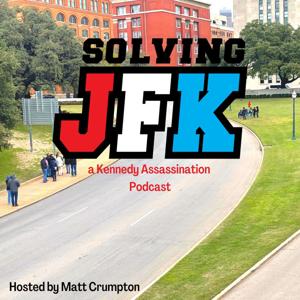

The Cuban Missile Crisis was the closest the United States and the Soviet Union ever came to nuclear war—a thirteen-day period where decisions made in real time carried unimaginable consequences. In this episode, we break down how the crisis developed, why Khrushchev chose to place nuclear missiles in Cuba, and how American intelligence and leadership responded as the situation escalated. Inside the Kennedy administration, there was no consensus. Military leaders urged immediate force, while Kennedy weighed options that might avoid triggering a nuclear exchange.
As the pressure intensified, miscommunications, near-misses, and rogue actions on both sides pushed the world closer to disaster than most people realized at the time. This episode examines the internal tensions within the U.S. government, the role of backchannel diplomacy, and the narrow margin by which catastrophe was avoided. It’s a look at leadership under extreme stress—and what this moment reveals about power, perception, and the risks that defined the Cold War.
Patreon - Patreon.com/solvingJFK
Twitter - https://twitter.com/solvingjfk
Facebook - https://www.facebook.com/solvingjfk
Instagram - https://www.instagram.com/solvingjfkpodcast
Tik Tok - https://www.tiktok.com/@solvingjfk
Transcripts and Sources - https://www.solvingjfkpodcast.com
 View all episodes
 By Matt Crumpton

4.7
338338 ratings
The Cuban Missile Crisis was the closest the United States and the Soviet Union ever came to nuclear war—a thirteen-day period where decisions made in real time carried unimaginable consequences. In this episode, we break down how the crisis developed, why Khrushchev chose to place nuclear missiles in Cuba, and how American intelligence and leadership responded as the situation escalated. Inside the Kennedy administration, there was no consensus. Military leaders urged immediate force, while Kennedy weighed options that might avoid triggering a nuclear exchange.
As the pressure intensified, miscommunications, near-misses, and rogue actions on both sides pushed the world closer to disaster than most people realized at the time. This episode examines the internal tensions within the U.S. government, the role of backchannel diplomacy, and the narrow margin by which catastrophe was avoided. It’s a look at leadership under extreme stress—and what this moment reveals about power, perception, and the risks that defined the Cold War.
Patreon - Patreon.com/solvingJFK
Twitter - https://twitter.com/solvingjfk
Facebook - https://www.facebook.com/solvingjfk
Instagram - https://www.instagram.com/solvingjfkpodcast
Tik Tok - https://www.tiktok.com/@solvingjfk
Transcripts and Sources - https://www.solvingjfkpodcast.com
791 Listeners
6,230 Listeners

19,280 Listeners

237 Listeners

76 Listeners
149 Listeners

44 Listeners

44 Listeners
63 Listeners
370 Listeners

591 Listeners

11,473 Listeners
783 Listeners
4,423 Listeners

39 Listeners
24 Listeners
7 Listeners