
Sign up to save your podcasts
Or

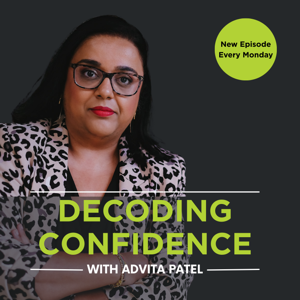

What is confident vulnerability in leadership, and why does it matter?
Vulnerability has become a buzzword in leadership and workplace culture, but it's often misunderstood. In this episode of Decoding Confidence, leadership consultant Advita Patel unpacks what confident vulnerability actually looks like and what it definitely isn't.
You'll discover the difference between genuine humanness and performative oversharing, explore groundbreaking research and learn practical ways to build psychological safety and trust in teams without making yourself (or your team) uncomfortable.
Perfect for: Leaders, managers, HR professionals, and anyone wanting to create psychologically safe teams and build authentic workplace relationships.
If you've ever felt pressure to be "more open" at work but weren't sure how to do it safely, or if you've experienced forced vulnerability that made you uncomfortable, this episode is for you.
✅ The research-backed difference between confident vulnerability and performative oversharing
Confident vulnerability is:
It's NOT:
00:00 - Introduction: What vulnerability is and isn't in leadership
Advita Patel is a leadership consultant, communications expert, and author of Decoding Confidence: The Seven Habits of Confident Leaders. She helps leaders and organizations build confidence through practical, research-backed strategies. Advita has coached over 150 leaders and runs two businesses: CommsRebel and A Leader Like Me.
Her work has been featured in [publications], and she's known for making leadership development accessible, practical, and grounded in real-world experience.
 View all episodes
 By Advita Patel
What is confident vulnerability in leadership, and why does it matter?
Vulnerability has become a buzzword in leadership and workplace culture, but it's often misunderstood. In this episode of Decoding Confidence, leadership consultant Advita Patel unpacks what confident vulnerability actually looks like and what it definitely isn't.
You'll discover the difference between genuine humanness and performative oversharing, explore groundbreaking research and learn practical ways to build psychological safety and trust in teams without making yourself (or your team) uncomfortable.
Perfect for: Leaders, managers, HR professionals, and anyone wanting to create psychologically safe teams and build authentic workplace relationships.
If you've ever felt pressure to be "more open" at work but weren't sure how to do it safely, or if you've experienced forced vulnerability that made you uncomfortable, this episode is for you.
✅ The research-backed difference between confident vulnerability and performative oversharing
Confident vulnerability is:
It's NOT:
00:00 - Introduction: What vulnerability is and isn't in leadership
Advita Patel is a leadership consultant, communications expert, and author of Decoding Confidence: The Seven Habits of Confident Leaders. She helps leaders and organizations build confidence through practical, research-backed strategies. Advita has coached over 150 leaders and runs two businesses: CommsRebel and A Leader Like Me.
Her work has been featured in [publications], and she's known for making leadership development accessible, practical, and grounded in real-world experience.