
Sign up to save your podcasts
Or

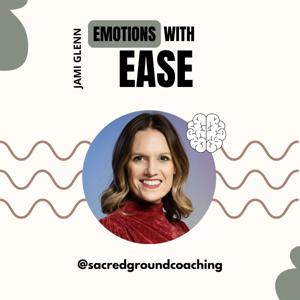

If weeknights feel like one long meltdown—from the car ride home to bedtime—you're not alone.
In this episode of Emotions with Ease, emotional wellness coach Jami Glenn sits down with Kristin Harrington, occupational therapist and mom of two, to talk through practical, body-based tools to help kids regulate after school—without shame, power struggles, or unrealistic expectations.
👉 New here? Grab my free 5-video Emotional Tools 101 series
⏱ Timestamps0:00 – Welcome + why after-school regulation matters 3:00 – Why kids fall apart after school 6:30 – What to do right at pickup (car tools that help) 10:45 – Sensory buckets explained (overflowing vs. empty) 14:30 – Movement ideas to release after-school energy 18:30 – Indoor movement when you can't get outside 22:30 – Dinner time strategies (choices + connection) 26:30 – Nighttime tools to calm the nervous system 29:30 – Kristin's personal regulation tool + wrap-up
Why kids often unravel after school (even on "good" days) How to support regulation in the car, at home, and at bedtime What a "sensory bucket" is and why it matters Why movement before calm activities is key How connection helps the nervous system settle
Have something ready before pickup (snack, fidget) Music (sing or sit quietly—both count) High / Low / Buffalo game (parent joins in) Respect personality: some kids need to talk, others need silence
Is my child's sensory bucket overflowing or empty? Do they need movement or quiet connection? Have they eaten yet? (Chewy snacks help many kids regulate.)
🏃♂️ Movement Ideas That Actually Help
Outside (when possible):
Playground time Ball play (catch, soccer, basketball) Bikes, scooters, chalk, barefoot time
Inside:
Jumping, crawling, rolling in a blanket Nugget couch play Obstacle courses Heavy work (pushing, pulling, carrying) ✨ Tip: Add structure ("10 jumps" vs. "go play") to avoid overstimulation.
Offer choices ("With me or alone?") Let kids help when possible Create a calm space if they need distance Sit together when you can—connection regulates
🌙 Nighttime Tools to Calm the Body
Deep pressure (hugs, squeezes, pillow sandwich) Rocking or gentle movement Sensory bins, Play-Doh, coloring Stretching, yoga, calming music Consistent routine (same order every night)
After-school meltdowns aren't bad behavior. They're a nervous system asking for support.
Small, proactive tools—used consistently—can change the entire rhythm of your evenings.
🎧 Want Support?If you're listening and thinking, "I want help applying this in my home," you can book a low-pressure discovery call using the link in the show notes. We'll talk it through and see what feels supportive for your family.
I'm rooting for you.
 View all episodes
 By Jami Glenn
5
1414 ratings
If weeknights feel like one long meltdown—from the car ride home to bedtime—you're not alone.
In this episode of Emotions with Ease, emotional wellness coach Jami Glenn sits down with Kristin Harrington, occupational therapist and mom of two, to talk through practical, body-based tools to help kids regulate after school—without shame, power struggles, or unrealistic expectations.
👉 New here? Grab my free 5-video Emotional Tools 101 series
⏱ Timestamps0:00 – Welcome + why after-school regulation matters 3:00 – Why kids fall apart after school 6:30 – What to do right at pickup (car tools that help) 10:45 – Sensory buckets explained (overflowing vs. empty) 14:30 – Movement ideas to release after-school energy 18:30 – Indoor movement when you can't get outside 22:30 – Dinner time strategies (choices + connection) 26:30 – Nighttime tools to calm the nervous system 29:30 – Kristin's personal regulation tool + wrap-up
Why kids often unravel after school (even on "good" days) How to support regulation in the car, at home, and at bedtime What a "sensory bucket" is and why it matters Why movement before calm activities is key How connection helps the nervous system settle
Have something ready before pickup (snack, fidget) Music (sing or sit quietly—both count) High / Low / Buffalo game (parent joins in) Respect personality: some kids need to talk, others need silence
Is my child's sensory bucket overflowing or empty? Do they need movement or quiet connection? Have they eaten yet? (Chewy snacks help many kids regulate.)
🏃♂️ Movement Ideas That Actually Help
Outside (when possible):
Playground time Ball play (catch, soccer, basketball) Bikes, scooters, chalk, barefoot time
Inside:
Jumping, crawling, rolling in a blanket Nugget couch play Obstacle courses Heavy work (pushing, pulling, carrying) ✨ Tip: Add structure ("10 jumps" vs. "go play") to avoid overstimulation.
Offer choices ("With me or alone?") Let kids help when possible Create a calm space if they need distance Sit together when you can—connection regulates
🌙 Nighttime Tools to Calm the Body
Deep pressure (hugs, squeezes, pillow sandwich) Rocking or gentle movement Sensory bins, Play-Doh, coloring Stretching, yoga, calming music Consistent routine (same order every night)
After-school meltdowns aren't bad behavior. They're a nervous system asking for support.
Small, proactive tools—used consistently—can change the entire rhythm of your evenings.
🎧 Want Support?If you're listening and thinking, "I want help applying this in my home," you can book a low-pressure discovery call using the link in the show notes. We'll talk it through and see what feels supportive for your family.
I'm rooting for you.