
Sign up to save your podcasts
Or

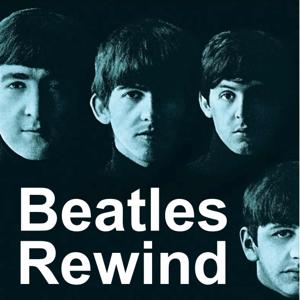

I’ll be honest—I stumbled onto this gem totally by accident. Last night I was scrolling through TV listings, looking for something Beatles-related I hadn’t already seen a dozen times, and there it was: Evolver:62, a documentary I’d somehow never heard of. The title alone was intriguing enough to click, but what I wasn’t expecting was just how good it turned out to be. Over the next 90 minutes or so, I found myself repeatedly pausing to process something I’d never heard—a detail, a reframing, a piece of context that made a story I thought I already knew inside-out suddenly feel brand new. If you consider yourself a serious Beatles fan and you haven’t seen this yet, clear your evening. 🎬
The Time Machine in a Suit
The documentary opens with a moment that sets the tone perfectly. Host Mark Lewisohn—widely regarded as the world’s foremost Beatles historian, the man who’s spent decades doing the kind of archival detective work most historians only dream about—is standing in modern-day London, holding a grainy 1962 photograph up against the actual street corner it depicts. Past and present, overlapping in real time. It’s a simple image, but it’s quietly thrilling. 📸
This is exactly what Evolver:62 promises and delivers: not mythology, but forensic reconstruction. This isn’t the Beatles of legend. This isn’t the mop-tops on Ed Sullivan, the Fab Four conquering America with matching haircuts and coordinated bows. This is something rawer and more interesting—the transitional year, the hinge point, the 12 months when four working-class lads from Liverpool made a series of decisions that would reshape pop culture for the next century. The leather jackets were on their way out. The Pierre Cardin suits were on their way in. And everything was about to change. 🌍
The film is available on Amazon Prime Video, Apple TV / iTunes, YouTube Movies, Fandango at Home (Vudu), and DVD.
The Great Decca “Rejection” Myth
Ask any casual Beatles fan about January 1, 1962, and they’ll tell you the story: the Beatles auditioned for Decca Records, got rejected because guitar groups were supposedly “on the way out,” and the rest is history. It’s one of the most notorious blunders in entertainment history, right up there with the publisher who passed on Harry Potter. 🙅♂️
But Evolver:62 explodes this narrative entirely, and it’s one of the documentary’s most satisfying moments. Lewisohn lays out the evidence that Decca’s decision was less a hard “no” than a “we’ll see”—a hedge that backfired spectacularly. The Decca suits weren’t blind to what they were hearing. But they were cautious in the way that major labels were always cautious, waiting to see which way the wind was blowing before committing.
What makes this reframing so interesting isn’t just the historical detail, it’s what the rejection did to the band. The Decca audition tape, so lovingly analyzed and dissected by Lewisohn, shows a group that was already extraordinary but not yet quite themselves. But the failure lit a fire. Every door that closes can reveal genius; every true artist builds their own universe. Without the Decca rejection, the hunger that drove the band through the rest of 1962 might have been less fierce. 📈
Dumb and Dumber
What makes the Decca saga even richer is what the documentary reveals about the actual offer that came out of that audition. Decca didn't simply slam the door. They would allow the Beatles to record for the label, but with a catch: Beatles manager Brian Epstein would have to foot the bill for pressing the records himself. His answer, of course, was a big fat no. But in a twist that’s almost too ironic to believe, Decca also offered to publish some of the Beatles' songs. The songwriting, not the recording, was what caught their attention. 🤔 This was early 1962, when Lennon and McCartney were still finding their voice as composers, when the band's set list leaned heavily on covers. Decca saw value in publishing songs by unknown songwriters who were quickly becoming great, yet still couldn't bring themselves to simply sign the band. It's the kind of near-miss that makes you wonder how many other world-changing artists slipped through somebody's fingers for equally baffling reasons. 📋
The Suit: Corporate Sellout or Creative Choice?
Here’s where the documentary really earns its place in the Beatles canon. The conventional story of Epstein’s makeover—replacing the Beatles’ leather jackets with neat suits, smoothing their raw Hamburg energy into BBC-friendly respectability—has always had a faint whiff of tragedy about it. The wild boys domesticated. The dangerous act defanged. 🧥
Lewisohn pushes back on this, and he does it with evidence. The Beatles chose it. It wasn’t Epstein marching them into a tailor’s shop against their will. They understood, with the cold, strategic clarity that would define their entire career, that looking “safe” was the price of admission to the mainstream—and that once they were in, they could do whatever they wanted. The BBC wouldn’t playlist a band that looked like it had just rolled in from a Hamburg dive bar at 4 a.m. The suits were a tactical decision, a Trojan horse. And Lewisohn reveals how the Beatles actually designed the suits themselves. 🎭
The Drummer Dilemma
If 1962 has a dramatic centerpiece, it’s the moment that has been discussed, debated, and mythologized more than almost any other in Beatles history: Longtime drummer Pete Best is fired, and Ringo Starr arrives. The final piece of the puzzle clicks into place. The band that will conquer the world is now complete. 🥁
What Evolver:62 shows so well is the cold-blooded efficiency of that decision. The documentary doesn’t wallow in sentimentality about Pete Best, it follows the evidence, and the evidence suggests that the band made a business calculation as much as an artistic one. They weren’t just friends making music together. They were an organization gunning for a very specific outcome. They needed the best drummer available, and Pete Best, despite being a nice guy, was not the best guy.
Merseyside to the World: The Geography of Genius
One of the things that distinguishes Evolver:62 from the average music documentary is its commitment to physical place. Lewisohn doesn’t just talk about history, he stands in it. The actual street corners. The real stage doors. The venues that either still exist or have been replaced by something much less interesting. 📍
This matters. The Beatles’ story is so large, so thoroughly mythologized, that it can start to feel weightless—floating free of any particular time or location, existing in some eternal pop-culture dimension. Seeing Lewisohn physically navigate the Liverpool and London of 1962 tethers the story back to earth. These were real places. Real vans driving down real highways at ungodly hours in freezing weather. Real rehearsal rooms with bad acoustics and no heating. The Beatles weren’t legends who fell from the sky. They were four working-class lads doing a job, getting good at it the hard way, one step at a time.
Why 1962 Still Matters
Lewisohn’s key insight—shown with evidence, passion, and the authority of someone who’s read every document and interviewed every surviving witness—is that “overnight success” never happens. Not ever. The Beatles’ “overnight success” took years of grueling work in Hamburg, endless gigs around Merseyside, and then one very long van ride to London with a lot riding on the outcome.
The pop song as art form, the album as statement, the idea that four people with guitars could be the most important cultural force on the planet—all of it traces back, in one way or another, to the decisions made in that single pivotal year. Evolver:62 takes you back to the moment it all became possible, and reminds you that it was never inevitable. It was chosen, worked for, and earned. 🍏
Visit my Beatles Store:
 View all episodes
 By Steve Weber and Cassandra
I’ll be honest—I stumbled onto this gem totally by accident. Last night I was scrolling through TV listings, looking for something Beatles-related I hadn’t already seen a dozen times, and there it was: Evolver:62, a documentary I’d somehow never heard of. The title alone was intriguing enough to click, but what I wasn’t expecting was just how good it turned out to be. Over the next 90 minutes or so, I found myself repeatedly pausing to process something I’d never heard—a detail, a reframing, a piece of context that made a story I thought I already knew inside-out suddenly feel brand new. If you consider yourself a serious Beatles fan and you haven’t seen this yet, clear your evening. 🎬
The Time Machine in a Suit
The documentary opens with a moment that sets the tone perfectly. Host Mark Lewisohn—widely regarded as the world’s foremost Beatles historian, the man who’s spent decades doing the kind of archival detective work most historians only dream about—is standing in modern-day London, holding a grainy 1962 photograph up against the actual street corner it depicts. Past and present, overlapping in real time. It’s a simple image, but it’s quietly thrilling. 📸
This is exactly what Evolver:62 promises and delivers: not mythology, but forensic reconstruction. This isn’t the Beatles of legend. This isn’t the mop-tops on Ed Sullivan, the Fab Four conquering America with matching haircuts and coordinated bows. This is something rawer and more interesting—the transitional year, the hinge point, the 12 months when four working-class lads from Liverpool made a series of decisions that would reshape pop culture for the next century. The leather jackets were on their way out. The Pierre Cardin suits were on their way in. And everything was about to change. 🌍
The film is available on Amazon Prime Video, Apple TV / iTunes, YouTube Movies, Fandango at Home (Vudu), and DVD.
The Great Decca “Rejection” Myth
Ask any casual Beatles fan about January 1, 1962, and they’ll tell you the story: the Beatles auditioned for Decca Records, got rejected because guitar groups were supposedly “on the way out,” and the rest is history. It’s one of the most notorious blunders in entertainment history, right up there with the publisher who passed on Harry Potter. 🙅♂️
But Evolver:62 explodes this narrative entirely, and it’s one of the documentary’s most satisfying moments. Lewisohn lays out the evidence that Decca’s decision was less a hard “no” than a “we’ll see”—a hedge that backfired spectacularly. The Decca suits weren’t blind to what they were hearing. But they were cautious in the way that major labels were always cautious, waiting to see which way the wind was blowing before committing.
What makes this reframing so interesting isn’t just the historical detail, it’s what the rejection did to the band. The Decca audition tape, so lovingly analyzed and dissected by Lewisohn, shows a group that was already extraordinary but not yet quite themselves. But the failure lit a fire. Every door that closes can reveal genius; every true artist builds their own universe. Without the Decca rejection, the hunger that drove the band through the rest of 1962 might have been less fierce. 📈
Dumb and Dumber
What makes the Decca saga even richer is what the documentary reveals about the actual offer that came out of that audition. Decca didn't simply slam the door. They would allow the Beatles to record for the label, but with a catch: Beatles manager Brian Epstein would have to foot the bill for pressing the records himself. His answer, of course, was a big fat no. But in a twist that’s almost too ironic to believe, Decca also offered to publish some of the Beatles' songs. The songwriting, not the recording, was what caught their attention. 🤔 This was early 1962, when Lennon and McCartney were still finding their voice as composers, when the band's set list leaned heavily on covers. Decca saw value in publishing songs by unknown songwriters who were quickly becoming great, yet still couldn't bring themselves to simply sign the band. It's the kind of near-miss that makes you wonder how many other world-changing artists slipped through somebody's fingers for equally baffling reasons. 📋
The Suit: Corporate Sellout or Creative Choice?
Here’s where the documentary really earns its place in the Beatles canon. The conventional story of Epstein’s makeover—replacing the Beatles’ leather jackets with neat suits, smoothing their raw Hamburg energy into BBC-friendly respectability—has always had a faint whiff of tragedy about it. The wild boys domesticated. The dangerous act defanged. 🧥
Lewisohn pushes back on this, and he does it with evidence. The Beatles chose it. It wasn’t Epstein marching them into a tailor’s shop against their will. They understood, with the cold, strategic clarity that would define their entire career, that looking “safe” was the price of admission to the mainstream—and that once they were in, they could do whatever they wanted. The BBC wouldn’t playlist a band that looked like it had just rolled in from a Hamburg dive bar at 4 a.m. The suits were a tactical decision, a Trojan horse. And Lewisohn reveals how the Beatles actually designed the suits themselves. 🎭
The Drummer Dilemma
If 1962 has a dramatic centerpiece, it’s the moment that has been discussed, debated, and mythologized more than almost any other in Beatles history: Longtime drummer Pete Best is fired, and Ringo Starr arrives. The final piece of the puzzle clicks into place. The band that will conquer the world is now complete. 🥁
What Evolver:62 shows so well is the cold-blooded efficiency of that decision. The documentary doesn’t wallow in sentimentality about Pete Best, it follows the evidence, and the evidence suggests that the band made a business calculation as much as an artistic one. They weren’t just friends making music together. They were an organization gunning for a very specific outcome. They needed the best drummer available, and Pete Best, despite being a nice guy, was not the best guy.
Merseyside to the World: The Geography of Genius
One of the things that distinguishes Evolver:62 from the average music documentary is its commitment to physical place. Lewisohn doesn’t just talk about history, he stands in it. The actual street corners. The real stage doors. The venues that either still exist or have been replaced by something much less interesting. 📍
This matters. The Beatles’ story is so large, so thoroughly mythologized, that it can start to feel weightless—floating free of any particular time or location, existing in some eternal pop-culture dimension. Seeing Lewisohn physically navigate the Liverpool and London of 1962 tethers the story back to earth. These were real places. Real vans driving down real highways at ungodly hours in freezing weather. Real rehearsal rooms with bad acoustics and no heating. The Beatles weren’t legends who fell from the sky. They were four working-class lads doing a job, getting good at it the hard way, one step at a time.
Why 1962 Still Matters
Lewisohn’s key insight—shown with evidence, passion, and the authority of someone who’s read every document and interviewed every surviving witness—is that “overnight success” never happens. Not ever. The Beatles’ “overnight success” took years of grueling work in Hamburg, endless gigs around Merseyside, and then one very long van ride to London with a lot riding on the outcome.
The pop song as art form, the album as statement, the idea that four people with guitars could be the most important cultural force on the planet—all of it traces back, in one way or another, to the decisions made in that single pivotal year. Evolver:62 takes you back to the moment it all became possible, and reminds you that it was never inevitable. It was chosen, worked for, and earned. 🍏
Visit my Beatles Store: