
Sign up to save your podcasts
Or

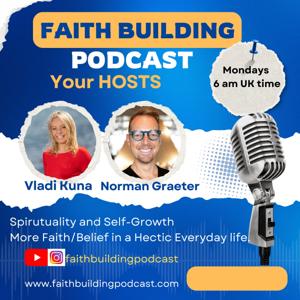


In this episode, Norman Gräter and Vladi Kuna explore the intricacies of male and female psychology, relationship dynamics, and how understanding hormonal influences and love languages can improve partnerships.
Key topics
Differences in male and female hormonal influences
The importance of love languages in relationships
Why men pull away despite loving someone
How to boost testosterone and oxytocin levels naturally
The role of deep conversations in attraction
Misunderstandings women have about men
The impact of appreciation and respect on men
How to identify when you've found your soulmate
Sound bites
"Men want to feel like partners, not employees"
"Misunderstanding: men only want one thing"
"A happy woman makes a happy man"
Chapters
00:00 Introduction to Relationship Dynamics
01:59 What Makes Men Feel Respected
04:04 The Power of Making Men Feel Like Partners
05:56 Using Competition to Boost Male Engagement
07:56 Misunderstandings Women Have About Men
10:02 Hormonal Differences: Oxytocin and Testosterone
12:01 The Role of Deep Conversations in Attraction
14:02 Why Men Stop Communicating
15:59 The Goal-Oriented Nature of Men
17:58 Balancing Love and Personal Growth
20:09 What Makes Men Fall in Love
22:01 Recognizing Your Soulmate
24:06 Why Men Sometimes Pull Away
25:56 The Burden of Male Expectations
27:55 Easing Male Pressure in Relationships
29:52 Healthy Masculine Energy
32:06 Signs You've Found the Right Partner
34:11 Values and Compatibility
36:08 Advice for Teenage Girls About Men
In this episode, Norman and Vladi explore the differences between men and women, focusing on emotional safety, communication, and relationship dynamics. Vladi shares insights from neuroscience and personal experience to help men understand what women truly need for a healthy, lasting connection.
Key topics
Differences in emotional needs between men and women
The importance of emotional safety and how women perceive it
Communication pitfalls and how to avoid them
The role of love languages in relationship satisfaction
How emotional safety impacts long-term connection
Takeaways
- Women value emotional safety and appreciation more than physical safety in mature relationships.
- Men often overlook the importance of emotional intelligence and kindness in maintaining connection.
- Effective communication involves understanding love languages and giving space for emotional expression.
- Consistent neglect of emotional needs can lead to emotional disconnection and relationship breakdown.
- Building trust and emotional safety requires ongoing effort, honesty, and understanding.
Sound bites
"The job of a male is not to make the female happy."
"Women are strong enough to find their own solutions."
"Emotional safety is kindness, compassion, and care."
Chapters
00:00 Introduction and overview of relationship differences
01:10 What men would ask the opposite sex
02:25 What men appreciate and dislike in women
04:27 The evolution of male roles from protection to emotional support
06:26 The importance of emotional safety over physical safety
08:02 How women's needs change with personal development
10:16 The rarity of emotional safety in modern men
12:03 The significance of kindness, compassion, and care
15:39 Effective communication and love languages
18:15 Handling emotional disconnect and how women withdraw
20:45 How to reconnect and rebuild trust
22:42 Common mistakes men make that push women away
25:12 The gradual process of emotional departure
28:37 What women admire in men for long-term respect
31:34 Lightning round: gender differences in behavior
33:09 Conclusion and key takeaways for better relationships
More informations: https://beyourself-academy.com/en/faith-building-podcast-2/
In this episode, Norman and Vladi explore the concept of love languages, discussing how understanding and applying them can improve relationships and personal growth. They delve into the differences between giving and receiving love, the importance of awareness, and practical ways to incorporate love languages into daily life.
Key topics
The five love languages and their impact on relationships
Differences between giving and receiving love languages
How love languages change over time and with personal growth
Practical ways to identify and use love languages with loved ones
The role of self-awareness in emotional connection
Takeaways
People have different love languages for giving and receiving love.
Understanding your loved ones' love languages can prevent misunderstandings.
Love languages can change as people grow and evolve.
Paying attention to subtle emotional cues is crucial.
Self-love and self-awareness are key to fulfilling relationships.
Sound bites
"People are served with their love language."
"The job of a man is to make her happier."
"When women withdraw emotionally, it's often too late."
Chapters
00:00 Introduction to the topic of love languages and their relevance
00:37 Norman discusses the question of whether love languages differ among individuals
01:32 Overview of the five love languages: words of affirmation, quality time, receiving gifts, acts of service, physical touch
04:24 Norman shares personal insights on how love languages differ in giving and receiving
07:18 The importance of understanding the depth and context of love languages
09:11 The significance of knowing your partner's love language and how to communicate it effectively
11:27 The impact of love languages on relationships and emotional connection
14:48 How love languages influence interactions with children and friends
16:42 The story of the diamonds and the metaphor for appreciating different love languages
20:19 The differences in how men and women experience love and the role of oxytocin and testosterone
23:20 Recognizing emotional withdrawal and the importance of paying attention to love languages
25:49 Self-love and using love languages to nurture oneself
31:54 Final thoughts on the importance of awareness and appreciation in love and life
In this episode, Vladi Kuna and Norman Gräter explore how to effectively unlearn old habits and replace them with new, empowering behaviors. They share practical techniques, mental models, and mindset shifts to help listeners transform their self-image and achieve lasting change.
Key topics
The importance of replacing old habits rather than just removing them
How to rehearse and embody a new identity before it becomes automatic
The role of emotions and self-praise in reinforcing new behaviors
The significance of small, consistent steps for lasting change
Mental models for unlearning and relearning habits
Techniques for self-affirmation and visualization
The concept of 'stay ready' versus 'get ready' in skill development
The impact of repetition and consistency in habit formation
Takeaways
You cannot simply rip out old habits; they fade naturally as you replace them.
Repetition over 21-30 days helps establish new autopilot behaviors.
Rehearsing your new identity daily accelerates behavioral change.
Celebrating small wins boosts motivation and self-esteem.
Focus on small, achievable steps to build momentum.
Unlearning is about replacing old patterns, not erasing them.
Consistent practice and self-awareness are key to lasting change.
Sound bites
"Old habits fade away as you replace them."
"Small steps lead to big change."
"Unlearning is about replacing, not erasing."
Chapters
00:00 Introduction to Habit Unlearning and Replacement
01:46 Why Simply Removing Old Habits Doesn't Work
03:58 The Power of Replacing Habits and Small Steps
06:03 Rehearsing Your New Identity Before It Becomes Automatic
08:04 The Role of Emotions and Self-Praise in Reinforcement
10:12 The 'Stay Ready' Mindset for Skill and Habit Development
12:02 Practicing Leadership and Self-Command in Daily Life
14:01 Collecting Evidence and Celebrating Small Wins
15:49 The Power of Small Goals and Consistency
17:58 Unlearning Through Repetition and Self-Reflection
19:54 The Importance of Clear Self-Image and Identity
21:49 Closing Thoughts on Habit Change and Personal Growth
Vladi Kuna and Norman Gräter explore how to unlearn old habits, beliefs, and behaviors to make room for change. They discuss why awareness comes first, how to separate a behavior from your identity, and how a small pause can help you respond differently when a familiar trigger shows up.
In this episode, Vladi and Norman discuss:
Timestamps
The six-step unlearning process
In this episode, we explore the importance of self-love as the foundation for attracting healthy relationships and personal growth. Our discussion covers practical steps, mental models, and the mindset shifts needed to truly love oneself and improve all areas of life.
Key topics
The importance of self-love as a foundation for relationships
How childhood beliefs influence adult behavior
The emotional guidance scale and vibrational alignment
Practical steps to improve self-worth and confidence
The seven-step process to manifest desires using subconscious programming
The role of unlearning limiting beliefs and paradigms
The impact of comparison and societal standards on self-esteem
The significance of feeling and vibration in manifesting goals
Strategies for self-awareness and emotional management
The importance of authenticity and self-acceptance
Takeaways
You cannot give what you don't have in yourself.
Self-love is the foundation for attracting healthy relationships.
Changing your inner dialogue and beliefs is crucial for growth.
The journey of self-improvement is ongoing and should be enjoyed.
Unlearning old paradigms is essential for true transformation.
Your feelings and vibrations determine your reality.
Self-worth grows from consistent self-respect and self-care.
Being honest with yourself accelerates personal development.
The power of affirmations lies in feeling, not just saying.
Investing in yourself is the most valuable investment.
Sound bites
"Love yourself so much that you don't need anyone else."
"Comparing yourself constantly is the biggest obstacle to self-love."
"Feeling is the secret to manifesting your desires."
Chapters
00:00 Introduction to Self-Love and Its Impact
02:06 The Law of Giving and Receiving in Relationships
03:50 Childhood Beliefs and Their Influence on Self-Worth
05:59 The Seven Steps to Manifesting Your Desires
09:01 The Power of Feelings and Vibrations
12:10 The Dangers of Comparing Yourself to Others
15:02 Self-Assessment and Emotional Awareness Exercises
17:49 Unlearning and Relearning Paradigms
22:08 The Role of Authenticity and Self-Acceptance
24:07 Final Thoughts and Next Steps
In this episode, Norman and Vladi explore the complexities of love, relationships, and finding the right partner. They discuss the importance of self-awareness, communication, and the role of subconscious patterns in sustaining love.
Key topics
The myth of the soulmate and whether the right person is out there
The importance of self-awareness and self-love in relationships
How subconscious patterns influence relationship dynamics
The significance of quality time and communication in love
Practical tips for maintaining connection and trust
The impact of energy and mindset on attracting the right partner
The concept of falling in love with oneself first
Strategies for revitalizing long-term relationships
The role of shared values and interests in compatibility
The importance of intentionality and focus in love
Sound bites
"Is the right person out there? Or do we need to create them?"
"Love is about falling in love with yourself first."
"Start with yourself if you want to change your relationship."
Chapters
00:00 Introduction and overview of relationship myths
01:45 The concept of the soulmate and waiting for the right person
03:51 The importance of self-awareness and self-love
05:53 How subconscious patterns shape relationship behaviors
08:00 The significance of quality time and focused attention
09:57 Practical tips for revitalizing long-term relationships
12:02 The power of small gestures and appreciation
13:50 The importance of personal growth and self-change
16:11 Creating shared experiences and new adventures
18:09 The role of mindset and energy in attraction
20:07 Summary and closing thoughts on love and self-discovery
For further informations visit us at: https://beyourself-academy.com/en/faith-building-podcast-2/
Self-Love, Relationships, and Starting Over
This episode is a conversation between Norman Gräter and Vladi Kuna of Elite Minds about relationships, self-love, and what it really means to start over. They explore why many partnerships drift onto autopilot, how childhood conditioning shapes expectations, and why changing yourself is the only reliable way to improve a relationship.We discuss how to spot when you are staying in a situation out of habit, how to "look again" at your values and choices, and why the strongest relationships are built by people who already feel whole on their own.
Key topics
Timestamps
00:00 - Opening the relationship discussion and soulmate question 01:18 - Vladi on fairy tales, real life, and feeling instantly connected to some people 03:22 - Control, trust, and how self-love means letting go 04:56 - When relationships become about ownership, assumptions, and silence 06:07 - Norman on values, attraction, and choosing a partner intentionally 08:00 - Why love feels intense at first and then slips back into subconscious habit 09:57 - Breaking relationship autopilot and making time to be fully present 10:34 - Oprah's date night idea and the challenge of no-work conversations 14:31 - Why expecting your partner to change is where relationships go wrong 16:24 - Noticing what you appreciate before you lose it 17:14 - Small actions that change the energy of a relationship 18:38 - Focus, male and female communication styles, and learning to cut to the point 20:07 - Tour-bus karaoke, narrow focus, and why many couples only talk about work 22:14 - Finding alignment in travel style, values, and shared adventure 23:36 - Falling in love with yourself first and then choosing the right partner
Quotes:
"If there is any change you want in a relationship, start with yourself."
"Falling in love means you fall in love with yourself and then you find the partner who you can be that person with."
"The right soul mate is who you feel like your most authentic version of yourself around."
Find out more: https://beyourself-academy.com/faith-building-podcast/
In this episode, Norman Gräter and Vladi Kuna explore the nuances of human connection, the impact of AI on sharing personal thoughts, and how to foster deeper understanding in relationships through better listening and observation.
Key Topics
The paradox of sharing personal issues with strangers versus loved ones
The role of judgment in communication and trust
The scientific research on talking to AI, strangers, and journaling for happiness
The importance of being an observer and listener in relationships
Dale Carnegie's principles of effective communication and inquiry
The impact of social media and personal development on self-perception
Strategies to foster openness and authenticity in close relationships
Takeaways
People tend to share more with strangers or AI because they fear judgment from loved ones.
Talking to strangers or AI can be more freeing and honest due to lack of judgment.
Effective communication involves asking questions and listening more than speaking.
Being an observer and practicing self-awareness enhances decision-making and relationships.
Sharing personal issues with family can lead to long-term misunderstandings because of past judgments.
Sound Bites
"AI needs nothing, humans need connection."
"Strangers don't judge, they listen."
"Ask questions, be interested, and listen."
Chapters
00:00 Introduction and topic overview
02:55 Research on talking to AI, strangers, and journaling for happiness
04:20 The human need for connection and the limitations of AI
06:08 Why strangers and AI are less judgmental
08:28 The power of neutral listening and asking questions
10:03 The importance of self-awareness and observation
12:25 AI's limitations in feeling and human connection
14:19 The growth process and changing perceptions
16:55 The dangers of sharing personal issues with family
18:45 Dale Carnegie's approach to communication
20:23 How to foster open communication with loved ones
22:06 The role of self-growth and perception in relationships
24:28 The importance of being an observer in decision-making
26:27 Closing thoughts and next steps for better communication
Further informations you can find here: https://beyourself-academy.com/en/faith-building-podcast-2/
In this episode, Norman Gräter and Vladi Kuna explore the nuances of human connection, the impact of AI on sharing personal thoughts, and how to foster deeper understanding in relationships through better listening and observation.
Key topics
The paradox of closeness and understanding in relationships
The role of AI in emotional expression
Dale Carnegie's communication principles
The importance of listening over speaking
The impact of judgment on openness
Sound bites
"He did not even talk, he just listened."
"Use your mouth and two ears proportionally."
"Become more observer and listener."
Learn more about the podcast and us: https://beyourself-academy.com/en/faith-building-podcast-2/
From the publisher's feed