
Sign up to save your podcasts
Or

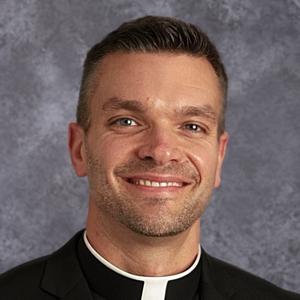


Today's Gospel of the temptations of Jesus is important in a couple ways. First, there is the theological import. Clearly, the symbolism of today's story brings us back to the original temptation in the garden and shows how Jesus is ordering the disorder caused by the first Adam's disobedience. But there is also a practical application for us as well. Seeing Jesus tempted gives us courage in the face of our own temptations, for he is victorious over the suggestions of Satan. As Augustine says, "If we are tempted in Christ, then in Christ we can resist the temptations.
Today's Gospel reading from St. Matthew has Jesus admonishing his disciples to do three things that, for us, establish the program for the Lenten season: prayer, fasting, and almsgiving. All these three involve sacrifice of various kinds. Prayer requires that we sacrifice time for God. Almsgiving, our money or other resources. Fasting is the sacrifice of food or other goods. But instead of looking at these sacrifices as the imposition of a burden upon our lives, Jesus wants us to see the invitation to sacrifice as the invitation to be more free from the cares of the world and thus more alive. Let's let our Lenten observance this year lead to greater life!
In today's Gospel we have the powerful story of the healing of the man with leprosy. What do we see time and time again in Jesus's public ministry? People go directly to him in order to be healed. It's important for us to know that Jesus's ministry on earth did not end when he ascended to heaven. Rather, now that ministry continues through the Sacraments of the Church. Going directly to God today does not consist of wondering around with our face looking up to the heavens imploring a hidden God for help. Rather it means doing the same thing that people did 2000 years ago in Galilee: They approached Jesus and confidently asked him for the grace they needed. We can do exactly the same thing when we approach the Sacraments (where we encounter Jesus truly, directly, and personally) with faith.
In today's Gospel we continue to hear of the very beginnings of Jesus's public ministry according to St. Mark. Last week we heard about his first miracle--excising a demon from a man in the synagogue. Today we hear of the second, which immediately follows the first: Jesus heals Simon's mother-in-law of her fever. Word of these miracles travels very fast, because, by the end of that very same day, "the whole town" is gathered by Simon's door in order to be healed or delivered by Jesus. This work of healing and restoring that is a trademark of Jesus's public ministry -- bringing order to the disorder -- is exactly the work of the Church. Through the Sacraments Jesus continues to order the disorder: But now not only in Galilee and Judea but throughout the whole world.
Today's 2nd reading, taken from the 7th chapter of St. Paul's 1st Letter to the Corinthians, helps us to reflect on the gift of marriage and the gift of celibacy. Paul begins the chapter by affirming the gift of marriage, and he admits that both are a "charism" -- a free gift given by God to an individual in order to bless them and (through them) the Church. But he also adds, "I wish everyone would be as I am," (meaning: celibate). We unwrap this confusing comment using the text from the second reading to help us.
In this Sunday's Gospel we hear the account of the call of the first apostles from the Gospel writer Mark. We see Jesus call the apostles, and we see their generous response. The apostles themselves will be interiorly changed by the Lord such that they themselves will now attract others to Jesus through their own living the Gospel. This cycle is repeated down through the centuries through the saints and all Christians who seek to make a generous response to Christ's call: He calls, we respond, and He changes us so that our lives become an invitation for others.
From the publisher's feed
Ranked by our users in the last 21 days