
Sign up to save your podcasts
Or

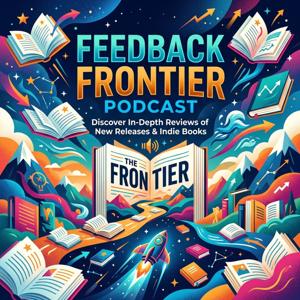


Welcome to Frontier of Fresh Book Reviews, where we go beyond the bestseller lists to find stories worth talking about. Today, we’re exploring independent novels: books published outside the biggest traditional publishing houses, often brought to readers through small presses or authors publishing their own work. If you’re looking for your next favorite read, these books offer a wide-open landscape of voices, ideas, and unexpected discoveries.
One of the great pleasures of reading independent novels is their range. An indie title might be a quiet family drama, a rule-breaking fantasy, a sharp contemporary romance, or a mystery with an unusual setting. Without the same expectations as a major commercial release, authors can take creative chances with structure, subject matter, and style. That freedom doesn’t guarantee every book will be a match for every reader—but it does mean there’s plenty to explore beyond familiar formulas.
So how do you find the right one? Start with the kind of experience you want. Are you after a fast-paced plot, beautifully observed characters, or a setting you can get lost in? Then look beyond the cover copy. Read a sample, browse reviews from readers who enjoy similar books, and pay attention to what those reviewers say about pacing, tone, and character development. A glowing recommendation is most useful when you understand what the recommender values.
Reviews matter especially for independent books, where a title may not arrive with a big advertising campaign or wide bookstore placement. Thoughtful reviewers can help readers discover a new author while giving a clear sense of the book’s strengths and style. The best reviews go beyond a star rating: they explain what worked, who might enjoy the book, and what kind of reading mood it suits. At Frontier of Fresh Book Reviews, we believe that context helps readers choose confidently—and helps distinctive books find their audience.
It’s also worth remembering that independent publishing is not one single lane. Small presses often bring editorial expertise and a strong sense of identity, while author-published books can give writers direct control over their projects. In both cases, the finished result varies, just as it does across all publishing. Look for careful editing, a compelling opening, and a voice that keeps you curious. And if a book doesn’t click, that’s useful information too: your next discovery may be just around the corner.
Most of all, approach independent novels with curiosity rather than a checklist. Follow a reviewer whose taste aligns with yours, explore a genre you don’t usually choose, or try a debut from an author you’ve never heard of. You may find a story that surprises you, challenges your assumptions, or simply makes the hours disappear.
That’s the invitation behind every fresh review: to read widely, trust your instincts, and leave room for the unexpected. Keep exploring independent novels, and your next favorite read might be waiting just beyond the titles you already know.
Welcome to Frontier of Fresh Book Reviews, where we explore new releases and independently published books to help you find your next favorite read. In this episode, we’re talking about novel recommendations: how to look beyond a catchy cover or a familiar bestseller list and find a story that truly fits your mood, interests, and reading style.
First, think about the experience you want from a book. Are you after a fast-moving mystery that keeps you guessing, a sweeping romance, or a thoughtful literary novel you can sit with for a while? Genre is a useful starting point, but tone matters just as much. Two novels might both be labeled fantasy, for example, while one offers lighthearted adventure and the other explores grief, power, or belonging. When you browse reviews, look for descriptions of the reading experience, not just the plot. Words like “quiet,” “witty,” “suspenseful,” or “character-driven” can tell you whether a book is right for today.
Second, pay attention to what makes a novel distinctive. A strong recommendation should give you a reason to be curious without giving away the ending. That might be an unusual setting, a memorable narrator, a clever structure, or a premise that raises an intriguing question. For newer releases, early reviews can help you spot those qualities and understand what readers are responding to. For independently published books, recommendations can also bring attention to voices and ideas that may not appear on every bookstore display. Exploring beyond the usual lists is one of the best ways to stumble upon a story that feels like your own discovery.
Third, use recommendations as a guide, not a guarantee. A book praised by someone else may not be your perfect match, and that’s part of the fun of reading. Notice which reviewers share your preferences. Do their favorite books tend to have rich world-building, sharp humor, or emotionally complex characters? Over time, you’ll learn whose opinions help you choose well. And if a novel doesn’t work for you, that isn’t a failure. It’s useful information about what you’d like to try next.
Finally, keep a small list of possibilities. Save titles that catch your attention, jot down who recommended them, and note what appealed to you. A running list makes choosing your next read easier, especially when you’ve just finished a book and aren’t sure what you’re in the mood for. You can also revisit the list by season or mood: something cozy for a rainy afternoon, something absorbing for a long trip, or something fresh when you want to step outside your usual reading habits.
The best novel recommendations don’t simply tell you what’s popular; they help you find the right story at the right moment. Stay curious, follow the details that excite you, and give unfamiliar authors a chance. Here at Frontier of Fresh Book Reviews, we’ll keep exploring new releases and independently published books with you. Your next favorite read may be closer than you think.
Welcome to the Frontier of Fresh Book Reviews, where new releases and independently published books get a closer look. If your reading list is growing faster than your free time, you’re in the right place. In this episode, we’re exploring what makes a thoughtful book review useful—and how a trusted book reviewer can help you find your next favorite read without spoiling the journey.
First, a good review goes beyond a quick thumbs-up or thumbs-down. It gives you a sense of the book’s voice, pace, and atmosphere, while explaining what makes it stand out. Is the writing brisk and witty, or quiet and reflective? Does the story gather momentum, or invite you to linger over its ideas? A reviewer can point out those qualities and help you decide whether the experience sounds right for you. The goal isn’t to tell everyone what to think. It’s to give readers enough context to make their own choice.
That’s especially helpful with new releases. When a book is just arriving, it can be hard to know whether the buzz matches your tastes. An in-depth review can look at what the author is attempting, how the pieces fit together, and which readers may connect with the result. It can also make room for nuance: a book might have a gripping premise and a slower middle, or beautiful prose that asks for extra attention. Honest, specific observations are more useful than sweeping claims—and they keep the focus on the reading experience.
Then there are independently published books, where discovery can feel like setting off down an intriguing side street. These titles may not have the same visibility as major releases, but they bring a wide range of voices, subjects, and storytelling approaches to the shelves. Careful reviewing helps readers find work they might otherwise miss. It also means approaching each book on its own terms, rather than assuming that a smaller publisher or unfamiliar author tells us what to expect. Sometimes the most rewarding recommendation is the one you hadn’t heard about yet.
So how do you use a review to choose your next read? Start with the details that matter most to you. Maybe you’re in the mood for a tightly plotted mystery, a richly imagined world, or a thoughtful look at everyday life. Notice what the reviewer praises and what they found less successful, then ask whether those points would matter to you. And if you’re avoiding spoilers, look for reviews that discuss themes and style without revealing key turns. A review should open the door, not walk you through every room.
At the Frontier of Fresh Book Reviews, the pleasure is in exploring widely and talking about books with curiosity. Whether you’re following a highly anticipated new release or taking a chance on an independent title, a thoughtful book reviewer can be a useful companion—not a final authority, but a guide to possibilities. Keep an open spot on your reading list, trust your own tastes, and let the next great book surprise you.
Welcome to the Frontier of Fresh Book Reviews, where new releases and independently published books get a closer look. Today, we’re talking about book reviewers: the readers who help us sort through an ever-growing pile of possibilities and find stories worth making room for. A thoughtful review can do more than say whether a book was enjoyable. It can help you decide whether a book’s voice, pace, and ideas are right for you.
First, good book reviewers explain what a reading experience actually feels like. Instead of relying on a simple thumbs-up or thumbs-down, they point to the details that shape a book: lively dialogue, a slow-burning mystery, an unconventional structure, or characters who stay with you afterward. That context matters. A reader looking for a quick, plot-driven escape may want something different from someone in the mood for reflective literary fiction. The most useful reviews make those distinctions clear.
Second, reviews can help readers discover books beyond the most visible new releases. Independent publishing brings a wide range of voices, subjects, and styles to the shelves, but those books don’t always receive the same attention as heavily promoted titles. Book reviewers can widen the conversation by describing what makes a lesser-known book distinctive and who might connect with it. That doesn’t mean every reader will love every recommendation; it means more readers get the chance to consider books they might otherwise miss.
Third, a review works best when it’s both specific and fair. It should offer enough detail to be helpful without giving away major surprises. It should also recognize that a book’s strengths and weaknesses may land differently for different people. Perhaps the deliberate pacing will feel absorbing to one reader and too slow to another. Strong reviewers explain their perspective rather than presenting personal taste as a universal verdict. That honesty helps you decide whether the same qualities might appeal to you.
And there’s value in reviewing a book in the context of its genre and audience. Is it a cozy mystery, a sweeping family saga, a practical guide, or a story that bends familiar conventions? What does it seem to promise, and does it deliver on that promise? These are useful questions for book reviewers to explore. They turn a review into a conversation about what the book is trying to do, not just a score at the end.
As you look for your next read, treat reviews as guides, not instructions. Read a few perspectives, notice which details catch your interest, and trust your own curiosity. A review can introduce you to a surprising premise, a fresh voice, or an independent author whose work deserves a closer look. The final choice, of course, is yours.
That’s the joy of exploring books with thoughtful reviewers: each review opens a small door, and you get to decide which one to walk through. Keep discovering new releases and independently published stories here at the Frontier of Fresh Book Reviews. Your next favorite read may be closer than you think.
Welcome to the Frontier of Fresh Book Reviews, where we explore new releases and independently published books to help you find your next favorite read. This episode is all about new fiction releases: what makes a book worth picking up, how to choose among the many stories arriving each season, and why some of the most memorable discoveries may come from beyond the biggest publishers.
First, think about the kind of reading experience you want. A fast-paced mystery can be perfect when you’re craving suspense, while literary fiction may invite you to linger over a character’s inner life or a beautifully observed setting. Fantasy and science fiction can offer imaginative worlds, but the best ones often ask familiar questions about belonging, power, or what it means to be human. Instead of choosing by genre alone, look for the promise at the heart of a story: a compelling voice, an unusual dilemma, or a setting you’re eager to explore.
Second, pay attention to what a novel does in its opening pages. A strong beginning doesn’t have to start with a dramatic twist. It might introduce a narrator whose voice feels instantly alive, establish a richly textured place, or present a small mystery that makes you want to keep reading. When reviewing new fiction releases, we look beyond the first-page hook and ask whether the characters and ideas continue to deepen. A satisfying novel keeps offering reasons to turn the page, not just a clever opening.
Third, make room for independent publishing. Smaller presses and self-published authors often take creative chances with structure, subject matter, and genre. That can lead to stories you might not find by following bestseller lists alone. Independent books are also wonderfully varied: a quiet, intimate family drama can sit alongside a bold speculative adventure or a genre-bending mystery. Reading widely across publishing styles gives you more opportunities to discover a book that feels personal and unexpected.
And when you’re deciding what to try next, use reviews as a guide rather than a rulebook. Notice what reviewers praise and what they find challenging. Comments about pacing, tone, point of view, or emotional intensity can help you tell whether a book suits your mood. A review doesn’t need to convince everyone that a novel is perfect; it should help the right reader recognize a promising match. If a story sounds intriguing despite a few reservations, that may be all the invitation you need.
There’s no single formula for finding a great read. Follow a favorite author, take a chance on an unfamiliar press, or choose a book because one detail in its description won’t leave your mind. The world of new fiction releases is full of different voices and fresh perspectives, and the next book you love may be a major launch or a quietly published surprise. Keep exploring with the Frontier of Fresh Book Reviews, and happy reading.
Welcome to the Frontier of Fresh Book Reviews, where we explore new releases and independently published books in search of your next favorite read. Today, we’re turning our attention to literary fiction: stories that invite us to linger over language, sit with complicated characters, and notice how small moments can carry enormous weight. In this episode, we’ll talk about what makes a literary novel memorable—and how thoughtful literary fiction reviews can help you find a book that stays with you long after the final page.
First, let’s talk about the writing itself. In literary fiction, style isn’t just decoration; it shapes how we experience the story. A crisp, spare sentence can leave room for silence, while a richly layered passage may ask us to slow down and take in every image. When reading literary fiction reviews, look for descriptions of the prose that go beyond “beautiful” or “well written.” Does the language feel intimate, playful, unsettling, or precise? That kind of detail can help you decide whether a book’s voice is one you’ll want to spend time with.
Next, there are the characters—their contradictions, private hopes, and imperfect decisions. Literary novels often focus less on a dramatic chain of events and more on how people change, or fail to change, under pressure. A compelling review can give you a sense of the emotional terrain without spoiling the discoveries. It might describe a family navigating old resentments, a narrator questioning the story they’ve told themselves, or a community reshaped by a quiet shift. Those glimpses can tell you whether you’re in the mood for a tender, searching read or something sharper and more challenging.
Third, consider how a book handles its themes. Grief, belonging, memory, class, love, and identity appear across countless novels, but each writer approaches them from a particular angle. The most useful literary fiction reviews connect those big ideas to the choices a novel makes: its setting, point of view, structure, and details. Does the story move across generations? Is it told through an unreliable narrator? Does an ordinary landscape gradually take on new meaning? These questions reveal what makes a book distinctive without reducing it to a list of topics.
And don’t overlook independently published fiction. Some of the most rewarding reading experiences come from books that arrive without a giant marketing campaign but have a singular voice and a bold sense of purpose. Independent authors may experiment with form, perspective, or subject matter in ways that surprise you. Reviews can be especially helpful here, offering context about a book’s style and strengths so you can take a chance with confidence. At the Frontier of Fresh Book Reviews, discovering those unexpected gems is part of the fun.
So, when you’re choosing your next literary read, ask what kind of experience you want: language to savor, characters to puzzle over, ideas to carry into conversation, or a fresh voice you haven’t encountered before. The best literary fiction reviews don’t tell you exactly what to think. They open a door, offer a little guidance, and let you decide whether to step through. Thanks for joining us—may your next favorite book be closer than you think.
Welcome to the Frontier of Fresh Book Reviews, where we look beyond the bestseller lists to find stories worth bringing home. Today, we’re exploring indie fiction reviews: what makes them useful, how independent publishing opens the door to unexpected voices, and how to tell whether a book might be your next favorite read. Indie fiction can be wonderfully hard to predict—and that’s part of the fun.
First, a thoughtful review looks at the story on its own terms. A quiet, character-driven novel shouldn’t be judged by the same expectations as a twist-filled thriller. We’ll pay attention to what the author sets out to do: build an intricate world, explore a complicated relationship, deliver a fast-moving mystery, or capture a particular moment in life. Then we’ll ask how well the book brings that intention to the page. This approach helps readers understand not just whether a reviewer liked a book, but why.
Second, we’ll talk about the craft behind the reading experience. Strong indie fiction reviews consider pacing, character development, prose, and structure without turning into a checklist. Does the opening draw you in? Do the characters feel vivid and consistent? Does the writing style suit the mood of the story? A book can have a fascinating premise and still stumble in its execution, while a familiar plot can feel fresh in the hands of a confident storyteller. Specific observations make a review more informative than a simple thumbs-up or thumbs-down.
Independent publishing also brings a remarkable range of perspectives and genres into view. Readers may discover a family saga released alongside a strange little science-fiction adventure, or a tender romance from an author working entirely outside the traditional publishing system. That variety means there’s no single definition of “indie fiction.” Our reviews aim to describe what makes each book distinctive, including its tone and audience, so you can decide whether you’re in the mood for something cozy, unsettling, thought-provoking, or delightfully strange.
And that leads to the most practical question: how do you use a review to choose your next read? Look for details that match your preferences. If you love brisk chapters and high stakes, a review’s comments on momentum may matter most. If you read for atmosphere or layered characters, those details can help you find a better fit. We’ll also be honest about books that may not work for every reader. Mentioning a slow start or a challenging point of view isn’t a verdict; it’s useful context, and it helps set the right expectations.
At the Frontier of Fresh Book Reviews, the goal isn’t to declare one kind of fiction superior. It’s to help more readers find stories they might otherwise miss, and to give independent authors careful, considered attention. The best indie fiction reviews open a door without telling you what you have to think once you step inside. So if your reading list could use a surprise, explore beyond the familiar, follow your curiosity, and see where a fresh voice takes you. Your next favorite book may be waiting just outside the usual bestseller shelf.
Welcome to Frontier of Fresh Book Reviews, where we explore the stories finding their way into readers’ hands right now. In this episode, we’re looking at independent novel reviews: what makes them useful, how they can lead you to unexpected favorites, and why books published outside the biggest publishing houses deserve a place on your reading list.
First, independent novel reviews help you look beyond the familiar. A book doesn’t need a huge marketing campaign to offer a gripping mystery, an inventive fantasy world, or a moving portrait of everyday life. Independent authors often bring distinctive perspectives and take creative chances, and a thoughtful review can give you a sense of what makes a particular novel stand out. Instead of simply repeating the plot, it can point to the book’s mood, voice, and the kinds of readers most likely to connect with it.
That sense of fit matters. A review is most helpful when it explains what reading the book actually feels like. Is the pacing brisk, or does the story unfold slowly? Are the characters the main attraction, or does the plot keep you turning pages? Does the novel lean funny, unsettling, romantic, or reflective? These details make it easier to choose your next read—and help set expectations without spoiling the discoveries that make a story enjoyable.
Another important part of reviewing independent fiction is being specific and fair. Every novel has its own aims, so it’s worth considering what the author appears to be trying to accomplish before judging whether it works. A quiet, character-focused book shouldn’t be measured only by the speed of its plot, just as an action-packed adventure doesn’t need to pause for pages of reflection. Good independent novel reviews explain both what succeeds and what may not work for every reader, with examples and a clear point of view.
Reviews can also help build a stronger reading community. Independent authors may not have the same visibility as household-name writers, and genuine reader discussion can help their work reach people who would enjoy it. That doesn’t mean every review has to be glowing. Honest criticism is part of the conversation, too. The goal is to share a considered response that respects readers, authors, and the many different reasons people pick up a book.
So when you’re searching for your next favorite read, use reviews as a starting point, not a rulebook. Follow the details that catch your attention, explore genres you might not usually choose, and give an unfamiliar author a chance. The best independent novel reviews don’t make the decision for you; they help you discover what’s out there and decide what sounds worth opening. Thanks for joining us at Frontier of Fresh Book Reviews. Happy reading—and may your next great story come from somewhere unexpected.
Welcome to the Frontier of Fresh Book Reviews, where new releases and independently published books get the thoughtful attention they deserve. In this episode, we’re looking at book critics: what they do, how a good review can help readers choose their next book, and why discovering a story outside the bestseller lists can be so rewarding. A review isn’t just a thumbs-up or thumbs-down. At its best, it opens a door.
First, book critics help us see what a book is trying to do. A mystery may be built around atmosphere rather than relentless twists; a memoir may find its power in small, carefully observed moments. Rather than judging every book by the same checklist, a thoughtful critic considers the author’s aims and how the writing serves them. That context gives readers more than a verdict—it helps us understand what kind of reading experience awaits.
Second, strong reviews balance appreciation with honest critique. A critic might praise a novel’s vivid setting while noting that its pacing slows in the middle, or admire a bold premise while explaining where the ending feels rushed. Specific examples make that assessment useful and fair. The goal isn’t to spoil every surprise or prove the reviewer’s cleverness. It’s to offer a clear perspective that readers can compare with their own tastes.
Third, independent publishing deserves a place in the conversation. Small presses and self-published authors bring forward unusual ideas, distinctive voices, and stories that might not fit a traditional marketing category. But these books can be harder to find, which makes careful coverage especially valuable. When book critics take the time to seek them out, readers gain more possibilities—and authors have another path for connecting with an audience.
Finally, reviews are starting points, not final answers. One reader’s slow burn is another reader’s absorbing escape. A critic’s reaction can help you decide whether a book sounds right for you, but it can’t replace the pleasure of forming your own opinion. Look for reviews that explain their reasoning, notice which reviewers share your preferences, and stay curious about books that surprise you.
That’s the spirit of the Frontier of Fresh Book Reviews: informed discovery, candid conversation, and room for readers to disagree. Whether you’re browsing a much-anticipated new release or taking a chance on an independently published debut, the right review can point you toward a story you might otherwise have missed. Keep exploring, trust your curiosity, and let book critics guide you—not choose for you. Your next favorite read may be closer than you think.
Welcome to the Frontier of Fresh Book Reviews, where we take a closer look at new releases and independently published books—and help you find your next favorite read. Today, we’re talking about novel ratings: what a score can tell you, what it can’t, and how to make one useful when every reader brings a different set of expectations to the page.
A rating is a shortcut, not the whole review. A five-star score might mean a book was beautifully written, wildly entertaining, or simply perfect for that reader at that moment. That’s why we look beyond the number. We ask what kind of experience a novel offers, who might enjoy it, and what choices make it memorable. A thoughtful review gives you context; the rating just gives you a quick starting point.
First, there’s the story itself. Does the premise make you curious? Do the conflicts build naturally, and does the ending feel earned? Not every novel needs a fast-moving plot. Some invite you to linger in a setting or follow a character through quiet, complicated changes. When we discuss novel ratings, we consider whether a book delivers on the kind of story it sets out to tell—not whether it follows one universal formula.
Then there’s the writing: voice, pacing, and clarity. A lyrical style can be a delight for one reader and a little too elaborate for another. A brisk, straightforward narration may be just right for a twisty mystery but less appealing to someone hoping for rich, reflective prose. We try to describe how the writing feels on the page, so you can decide whether it matches your taste before you pick up the book.
Characters matter, too. We notice whether their decisions feel believable, whether their relationships develop with care, and whether we’re still thinking about them after the final page. Emotional impact is deeply personal, so we don’t pretend a rating can measure it objectively. Instead, we explain what moved us, surprised us, or left us wanting more. That detail often helps readers more than another half-star ever could.
We also make room for books published outside the biggest spotlight. Independently published novels can bring fresh voices, unusual premises, and creative risks to the reading table. They deserve the same attentive consideration as new releases from established publishers. A fair review looks at what’s on the page, while keeping in mind that readers may come to a book with different expectations around editing, genre conventions, and presentation.
So how should you use novel ratings? Treat them as a guide, then read the review. Look for comments that connect with your own preferences: the genres you love, the pacing you enjoy, or the themes you’re in the mood to explore. A lower score doesn’t automatically mean “not for you,” and a high score can’t promise a perfect match. The best rating is the one that helps you make a more informed choice.
That’s the spirit of the Frontier of Fresh Book Reviews: honest impressions, useful detail, and plenty of room for different tastes. Keep exploring new releases and independently published books, follow the reviews that speak to you, and trust your curiosity. Your next favorite read might be one click, one page, or one thoughtful review away.
From the publisher's feed